

07-12-26

Suffolk County Summer Used Nissan Test-Drive Route + HVAC Checklist

A quick spin around the block does not tell you much about a used car in Suffolk County. Heavy traffic, tight beach lots, and fast merges all put different stress on a vehicle, especially in hot, humid weather. If you want to feel confident in your next used Nissan, you need a test drive that feels like real life.

In this guide, we walk through a simple, practical route that starts near Patchogue and covers stop-and-go traffic, beach-style parking, and highway speeds. We also share a clear heat and AC checklist so you know how the car will handle Suffolk summers, from sticky afternoons to cool late-night drives.

Pre-Drive Setup at the Dealership

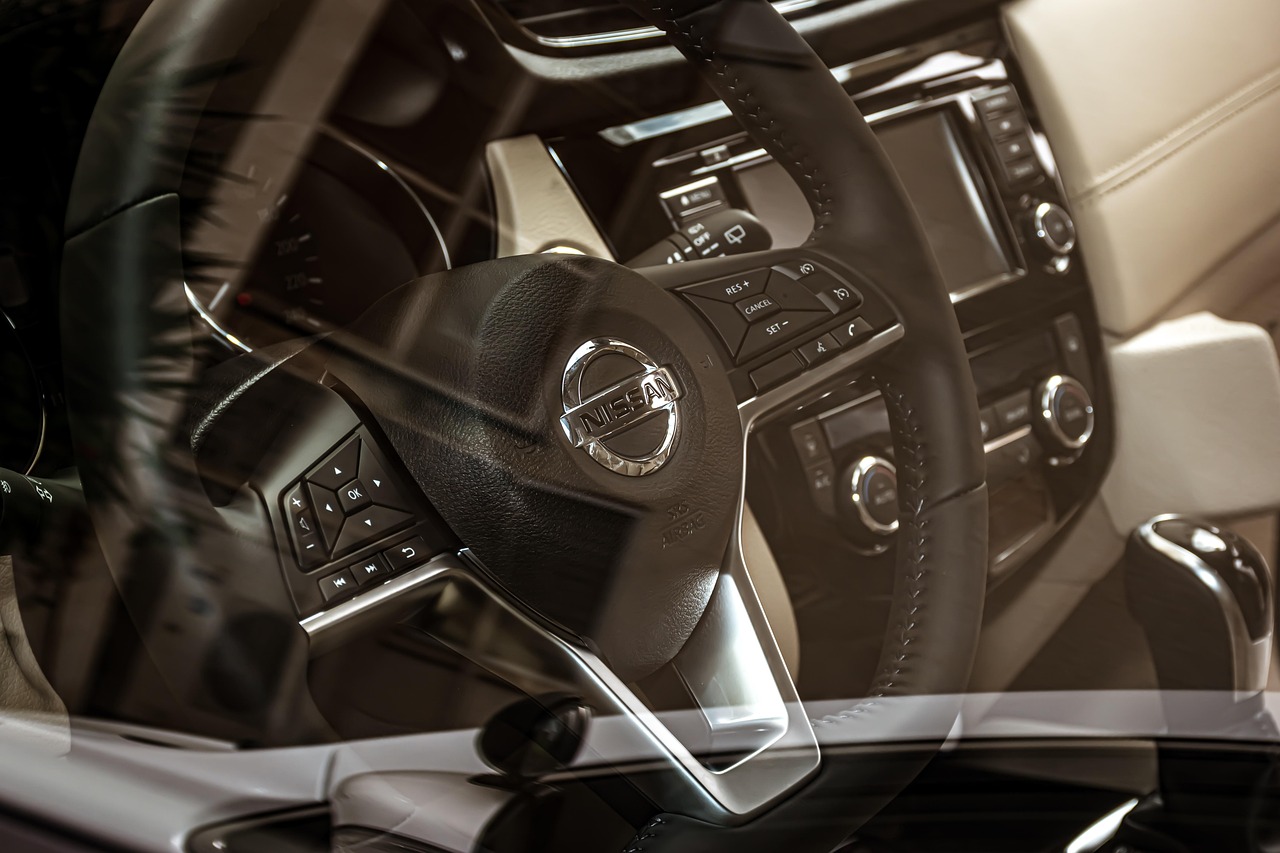
Before rolling off the lot, take a few minutes to get comfortable. When you are not fumbling with controls, you can focus on how the car truly drives. While parked and the gear shift in Park, set up the basics:

  • Adjust seat height and distance so your knees are slightly bent  
  • Tilt and move the steering wheel until your arms feel relaxed  
  • Set mirrors so you see the lane next to you, not just your own doors  
  • Pair your phone to Bluetooth if the car has it  
  • Find the wiper, light, and climate controls  

Now do a quick AC check before you move. The goal is to confirm the system can deliver real cold air and does not sound or smell off when it first kicks on:

  • Start the engine and set AC to its coldest setting  
  • Turn the fan to high and make sure air blows strong from the vents  
  • Feel for cold air within a few minutes, not just cool or lukewarm  
  • Listen for grinding or rattling when the AC cycles on  
  • Notice any strong musty or chemical smells from the vents  

If a member of the sales team rides along, this is also a good time to ask about past heat or AC system work, service history, and what is covered if you choose a certified pre-owned Nissan. They can also suggest a route that fits how you plan to use the car.

Stop-and-Go Traffic Loop Near Patchogue

Suffolk driving often means creeping along Route 112 or sitting at long lights near shopping centers. Your test drive should copy that feel. Ask to take a short loop through nearby side streets and local businesses around the dealership, and try to include the following elements:

  • Several traffic lights where you may sit for a full cycle  
  • Low-speed turns into and out of small plazas  
  • A mix of 25 to 40 mph zones to trigger frequent gear shifts  

While you crawl through traffic, you are mainly looking for how the car behaves in heat and how well it holds cabin comfort when you are idling. Notice whether the cabin stays cool at long red lights or starts to feel stuffy, and keep an eye on whether the temperature gauge stays in the normal range or creeps upward. Pay attention to whether the fan keeps blowing strong even when the engine idles, and listen for the AC compressor clicking on and off in a smooth rhythm.

At the same time, pay attention to driving feel. You want the car to pull away from a stop smoothly rather than hesitating, and you want gear changes to feel gentle rather than jerky as the transmission shifts. Brakes should not grab too hard or feel soft, and the car should stop in a straight line. Steering should be light enough for tight turns but still steady, and cameras and parking sensors should give you clear guidance in crowded lots. If something feels strange, mention it during the drive so the team can explain if it is normal behavior for that model.

Beach-style Parking, Backroads, and Heat Soak

Next, it helps to copy a weekend trip to spots like Smith Point or local bay beaches. You do not have to drive all the way to the ocean, but you can find similar roads close by. Choose a route that gives you the same kind of tight, low-speed driving and parking you would face on a summer day:

  • Narrow residential streets and tighter speed limits  
  • A small park or public lot where you can practice parking  
  • A few rougher patches of pavement to see how the suspension feels  

Once there, act like you are pulling into a summer beach lot and work through a few real-life checks:

  • Test parallel and pull-in parking in tighter spaces  
  • Back into a spot using the backup camera and sensors, if equipped  
  • Turn the wheel fully in each direction to feel the turning radius  
  • Open all doors and the hatch to check entry for kids or older adults  
  • Look at the cargo area and picture beach chairs, umbrellas, and a cooler  

After that, do a simple heat soak test. Park in direct sun for several minutes with the engine off and windows up, then get back in and see how quickly the car recovers from the trapped heat:

  • Start the car and turn the AC to max cold and high fan  
  • Time, even roughly in your head, how long it takes before you feel real relief  
  • Touch the steering wheel, center console, and seat fabric for hot spots  
  • Open and close windows or a sunroof to see how fast hot air escapes  
  • If the car has rear vents, check that passengers would feel airflow  

You are trying to see if the car can cool a hot interior quickly on a typical Suffolk summer afternoon.

Highway Merge, Passing Power, and High-Speed AC

Daily life in Suffolk often includes hops onto Sunrise Highway or the Long Island Expressway, so your test drive should give you at least one solid highway run. From the local roads, find a nearby highway entrance where you can do a realistic merge and a few lane changes:

  • Start from a full stop on the ramp  
  • Accelerate up to 55 to 65 mph with traffic  
  • Change lanes a few times and then exit  

As you merge and pass, focus on how the car responds under load and how it behaves at speed. You want to feel how quickly it gets up to speed when you press the gas, whether the transmission kicks down smoothly for passing, and whether the steering feels stable at speed or needs constant small corrections. Also listen for any rattles, whistles, or vibrations that only show up on the highway.

At the same time, check high-speed HVAC behavior, because some systems feel fine in town but struggle on bright, hot highway runs:

  • Does the AC stay cold even with sun on the windshield and side glass?  
  • Can you hear the fan over wind and road noise?  
  • If you switch from floor to dash vents, does airflow stay strong?  
  • Try the front defrost setting to see how quickly it clears any fogging  

If the car has driver-assist features like blind spot warning or adaptive cruise control, the highway stretch is a good place to see how those feel in real traffic.

Final Parking Lot Check for Comfort and Summer Readiness

When you return to the dealership, resist the urge to rush inside. The last few minutes in the lot can tell you a lot about daily comfort in a used car in Suffolk County. Start with a full walkaround and sit-in so you can confirm the car fits your people and your gear:

  • Sit in every seating row to feel legroom and headroom  
  • Practice getting a child seat in and out of the back seat  
  • Fold rear seats down to see how flat the cargo floor is  
  • Load and unload a bag or stroller to check lift-over height  

Then finish with a final climate and interior check to confirm everything works consistently now that the car is fully warmed up from the drive:

  • Turn the AC to a normal setting, not max, and listen for cabin noise  
  • Check each vent to see if air pressure feels even across the cabin  
  • Test rear heat or AC controls if the vehicle has them  
  • Run all windows up and down and test door locks from each door  
  • Look at door seals and weatherstripping for signs of damage  

As a last step, talk through what you felt on your route with the Nissan 112 team. Ask about past service on the cooling system, any recommended maintenance before your first hot season, and how to keep the AC, heater, and fans running smoothly for many Suffolk summers and winters.

Drive Home Confidently With a Quality Pre-Owned Vehicle

Choosing the right vehicle is easier when you can see a wide selection in one place, and our team at Nissan 112 is ready to help you compare options side by side. Explore our current inventory to find the used car in Suffolk County that fits your budget and driving needs. If you have questions about financing, trade-ins, or specific models, you can contact us so we can guide you through every step.


Read More
CATEGORIES »
TAGS »

07-05-26

Finding the Best Used Nissan Dealerships on Long Island

Discover Trusted Used Nissan Deals on Long Island

Shopping for a used Nissan on Long Island is about more than just finding a low price. You want a car that feels good on the Southern State, handles stop-and-go traffic, and still has room for beach chairs or work gear. Summer is a popular time to shop, but the need for a dependable ride does not end when the weather cools off.

Choosing the right used Nissan dealer matters. The dealer you pick affects the quality of the inventory, how clear the pricing is, what you get for your trade, and how well your car is cared for after you buy it. At Nissan 112, we are a local Long Island Nissan dealership that offers used and certified pre-owned models along with full-service maintenance and repairs, so we see every side of the process. Here, we will share clear tips for finding the best used Nissan dealers in Long Island so you can buy with confidence and feel good about your choice for years to come.

Why Buying a Used Nissan on Long Island Is Smart

Buying used lets you stretch your budget. Instead of paying more for a base new model, you can often move up into a better-equipped used Nissan. Many drivers are able to step into popular choices like Altima, Rogue, or Pathfinder at a used price that fits their monthly budget.

For Long Island driving, that value matters even more. Daily commutes, weekend trips out east, and crowded parking lots are easier with a reliable, fuel-efficient Nissan. A well-cared-for used model can handle:

  • Regular runs on Sunrise Highway and the LIE  
  • Tight parking at train stations and local shopping centers  
  • Wet, salty roads near the water  
  • Colder months when you need strong heat and confident traction  

Summer is also a time when expenses stack up. Vacations, beach passes, and back-to-school planning can all hit at once. Choosing a used Nissan helps keep payments manageable while still giving you dependable transportation.

Modern used Nissans often come with features that make them feel nearly new. Many models include helpful technology, such as:

  • Backup cameras  
  • Available driver assist features like Nissan Safety Shield 360 on select models  
  • Smartphone-friendly audio systems  
  • Simple, easy-to-read driver displays  

So you are not just saving money; you are getting comfort, safety, and convenience that make daily driving less stressful.

How to Evaluate Used Nissan Dealers in Long Island

Not all used Nissan dealers in Long Island are the same. A little research up front can protect you from headaches later.

Start with reputation. Online reviews and star ratings can show patterns in how a dealer treats people. Look for comments on:

  • Honesty about pricing and trade values  
  • How problems were handled after the sale  
  • Friendliness and patience of the staff  
  • Overall satisfaction with the purchase process  

Next, look at inventory and how clearly it is presented. A strong used Nissan dealer should offer a mix of body styles, like sedans, SUVs, trucks, and possibly EVs. Listings should include:

  • Clear photos of the exterior and interior  
  • Basic history information, often through reports like CARFAX  
  • Straightforward, easy-to-read pricing  

Pay attention to how the team communicates. When you call or stop in, notice if staff members:

  • Answer questions in plain language  
  • Explain financing choices without pressure  
  • Walk through vehicle history and reconditioning step by step  
  • Take time to review warranty and service options  

Location and convenience also matter. Long Island traffic can be tough, so think about how easy it will be to reach the dealership from your home, work, or the train. Evening or weekend hours can be helpful if your weekdays are packed, especially in the busy summer months.

Certified Pre-Owned vs Regular Used Nissan Choices

One big decision many shoppers face is whether to choose Nissan Certified Pre-Owned or a regular used Nissan. Knowing the difference can help you match your choice to your needs.

Nissan Certified Pre-Owned vehicles are used Nissans that meet set age and mileage limits and pass a detailed multipoint inspection. They typically include added benefits like:

  • Extended warranty coverage from Nissan  
  • Roadside assistance for extra peace of mind  
  • Reconditioning to meet specific CPO standards  

CPO models often cost more than similar non-certified used vehicles, but the extra coverage may reduce your repair risk later. You may also find different financing options available on certified models through the dealership.

CPO is often a strong fit if you:

  • Drive many miles across Long Island each week  
  • Take frequent family trips and want added confidence  
  • Plan to keep the car for a long time  

On the other hand, a well serviced, non-CPO used Nissan can be a better fit if you:

  • Have a tighter upfront budget  
  • Need a second vehicle that will see lighter use  
  • Are working with a trusted dealer that thoroughly checks and services trade-ins  

The key is to weigh protection and peace of mind against your budget and how much you plan to drive.

Key Questions to Ask Before You Sign Anything

When you think you have found the right used Nissan, slow down and ask the right questions. This protects your wallet and helps you avoid surprises.

On vehicle history, ask:

  • Has the car been in any reported accidents?  
  • Is there a record of regular maintenance and repairs?  
  • How many previous owners has it had?  
  • Was it a lease return or rental vehicle?  

On pricing and financing, ask:

  • What is the full out-the-door price, including fees?  
  • What are my financing options and interest rates?  
  • Are there any current offers on used or certified pre-owned Nissans?  
  • How is my trade-in value being determined?  

On reconditioning and inspection, ask:

  • What exactly was inspected on this vehicle?  
  • Which parts were replaced before it was offered for sale?  
  • How much life is left on the tires and brakes?  
  • For EVs like the Nissan LEAF, what is the current battery health?  
  • Are there any open recalls that still need to be addressed?  

On warranty and service, ask:

  • What warranty coverage comes with this vehicle and for how long?  
  • Are service plans or maintenance packages available?  
  • How does the service department handle scheduling and wait times?  

A good dealer will welcome these questions and answer them clearly.

Why Nissan 112 Stands Out for Used Buyers on Long Island

As a Long Island Nissan dealership, Nissan 112 focuses on helping local drivers find used vehicles that fit daily life here. Our used and certified pre-owned inventory includes a wide range of models, trims, and price points for commuters, families, and everyone in between.

We also offer on-site financing and trade-in support. Our team works with different lenders and helps shoppers with varying credit profiles. The goal is to keep the process in one place, from test drive to trade-in to signing paperwork.

After you drive home, our service department is here to help you protect your investment. We provide full-service maintenance and repairs with factory-trained technicians and genuine Nissan parts. Seasonal service support, like A/C checks in the warmer months and brake inspections as weather changes, helps keep your Nissan ready for whatever Long Island roads bring.

When you are comparing used Nissan dealers in Long Island, look for a partner that understands local driving, offers clear information, and supports you long after the sale. That is the standard we follow every day at Nissan 112.

Find Your Ideal Used Nissan With Confidence Today

As one of the trusted used Nissan dealers in Long Island, Nissan 112 is ready to help you choose a vehicle that fits your needs and budget. Our knowledgeable team will walk you through your options so you can feel confident in every step of the process. If you have questions or want to schedule a test drive, simply contact us and we will be happy to assist.

Read More
CATEGORIES »
TAGS »

07-05-26

What Nissan Car Leasing Deals Mean for Long Island Drivers

Drive More Miles for Less on Long Island Roads

Leasing a Nissan can be a simple way to get into a newer car with a lower monthly payment than buying. Instead of paying toward full ownership for many years, you pay for the time you use the vehicle, usually just a few years, which keeps your commitment short and your ride fresh.

On Long Island, where the cost of living is high and driving is part of daily life, this can make a big difference. Think about warm weekends heading out to the Hamptons, cruising to the North Fork, or dealing with city traffic during the week. The right lease can make those miles more comfortable, while keeping your budget in better shape.

In this guide, we will explain how Nissan car leasing deals work, what they mean for Long Island drivers, and how to choose smart options that fit your commute, your family, and your summer plans.

How Nissan Car Leasing Deals Really Work

Leasing is basically a long-term car rental with extra options. You choose a new Nissan, agree to a set term and mileage limit, then make monthly payments while you drive it. At the end of the lease, you return the car or, in many cases, have the option to buy it.

Your lease payment is shaped by a few key pieces:

  • Vehicle price, often called the capitalized cost  
  • Estimated value of the car at the end of the lease, called the residual value  
  • Money factor, which is the finance charge for the lease  
  • Length of the lease term, often around two to three years  
  • Any amount due at signing, such as the first payment or fees  

When there are strong Nissan car leasing deals, these pieces can work in your favor. A higher expected value at lease end, lower money factor, or special promotions from the manufacturer or dealer can help keep monthly costs lower.

You will also see some common lease terms in the fine print. Long Island drivers will often notice:

  • Mileage limits, many times around 10,000 to 12,000 miles per year  
  • Charges for extra miles if you go over that limit  
  • Guidelines for normal wear and use  
  • A disposition fee when you return the vehicle  
  • A purchase option price if you choose to buy the car at the end  

When you understand these points, it becomes easier to compare offers and know what you are really getting.

Why Leasing Fits the Long Island Lifestyle

Life on Long Island usually means a mix of highway and local driving. Many drivers have a steady commute on the Long Island Expressway or Sunrise Highway, plus grocery runs, school drop-offs, and seaside trips. For a lot of people, those miles often stay within typical lease limits, which makes leasing feel very natural.

Leasing can match this lifestyle in a few ways:

  • You can drive a new or late-model Nissan every few years  
  • You get the latest comfort and driver-assist features for tough traffic  
  • Many drivers stay under warranty for most or all of the lease term  

Families and busy professionals often like the flexibility. If a job changes, a move is coming, or kids are growing and need more space, you are not tied to the same vehicle for a long stretch. When the lease ends, you can change directions without dealing with long-term ownership questions or trying to sell or trade a much older car.

Parking and garage space can matter too. Some Long Island drivers keep cars outside or share limited driveway space. Leasing helps keep you in a newer vehicle that feels clean and up to date, without worrying as much about how an older, high-mileage car will hold up sitting by the curb.

Smart Ways to Maximize Nissan Leasing Savings

You can do a few simple things to get more value from Nissan car leasing deals, without making the process stressful or complicated.

Good times to pay close attention to offers include:

  • Summer sales events  
  • Model year changeovers when new versions arrive  
  • Special manufacturer incentives that may apply to certain models or trims  

It also helps to line up your lease term with what is happening in your life. For example, you might want your lease to end around:

  • A graduation when someone in the family may need their own car  
  • A planned career change that might shorten or lengthen your commute  
  • A time when your family may grow and you might want an SUV with three rows  

Over the full lease, small choices can help you avoid extra costs:

  • Pick a mileage limit that really fits your driving, not just the lowest option  
  • Keep up on regular maintenance at a trusted service center  
  • Treat the interior and exterior with care to avoid extra wear charges  

Some leases allow options like multiple security deposits or different down payment levels. Talking through these choices can help you see how they change the monthly payment and the total cost over the term.

Choosing the Right Nissan Model to Lease on Long Island

Picking the right Nissan for your lease starts with how you use your car each day. Long Island driving can call for very different vehicles depending on your schedule and hobbies.

For many commuters, a practical sedan is often the sweet spot. A Nissan Sentra or Altima can offer:

  • Comfortable seating for daily rides  
  • Fuel-sipping performance for trips into the city or across the Island  
  • Helpful driver-assist features for heavy traffic  

Families and beach lovers may lean toward crossovers and SUVs. Models like the Rogue or Murano are often a good match if you want:

  • More space for kids, friends, or pets  
  • Room for strollers, sports gear, or beach chairs  
  • Flexible seating that folds down for bigger cargo  

Drivers who tow or haul gear may look at options like the Frontier or a larger SUV like the Pathfinder. These vehicles can support:

  • Weekend projects or outdoor equipment  
  • Family road trips with a lot of luggage  
  • Extra capability for changing weather and road conditions  

Trim levels and option packages also affect your lease payment. On Long Island, many drivers like to prioritize:

  • Advanced driver-assist tech that helps with lane changes and parking  
  • All-weather features like available all-wheel drive and heated seats  
  • Strong connectivity and audio for time spent in traffic  

Comparing a few lease options side by side can show how a slightly higher trim or different model might give more comfort and value for only a modest change in the monthly payment.

Summer-Ready Leasing Tips for July on Long Island

Starting a lease in mid-summer can be especially rewarding. You get to enjoy warm weather driving in a fresh Nissan with modern A/C, strong climate control, and current tech for road trips. That can make weekends at the shore or late-night drives feel much more relaxed.

When you estimate annual mileage for your lease, remember to include:

  • Summer vacations out to Montauk or into the city  
  • Weekend drives to friends, family, and events  
  • Holiday gatherings and extra seasonal errands  

Taking a test drive in July is also a great time to judge comfort in real-world heat. While you are out, pay attention to:

  • How quickly the cabin cools down  
  • Whether the seats feel comfortable on longer drives  
  • How much cargo space you really have for beach gear, coolers, or sports bags  
  • How the car feels in slow, stop-and-go traffic that is common near popular spots  

When your everyday driving and your seasonal habits are part of the lease plan, Nissan car leasing deals can feel less like a guess and more like a perfect fit for Long Island roads.

Drive Home Value With Flexible Nissan Lease Options

Discover how easy it can be to upgrade your daily drive with our current Nissan car leasing deals. At Nissan 112, we work with you to find a lease that fits your budget, lifestyle, and preferred model. If you have questions about terms, pricing, or availability, reach out through our contact page so we can help you move forward with confidence.

Read More
CATEGORIES »
TAGS »

07-05-26

Maximizing Nissan Car Leasing Deals for Long Island Summers

Cruise Into Summer Savings on Long Island Roads

Long Island in the summer means a lot of time behind the wheel. Trips to Robert Moses, ferry runs to Fire Island, weekend drives out to the Hamptons, and family barbecues across the Island all add up. A comfortable, reliable car is not a luxury; it is part of how you enjoy the season.

That is where smart Nissan car leasing deals come in. Leasing can help you get into a new Nissan with modern tech and comfort features while keeping monthly costs more manageable. When you plan ahead and choose the right model and lease terms, your summer driving can feel easier, calmer, and more fun for everyone in the car.

As a local Long Island dealership, we understand beach parking lots, crowded parkways, and those long stretches of Sunrise Highway. Our goal is to help you pick a lease that fits your real life, from weekday commutes to weekend escapes.

Why Leasing a Nissan Fits Long Island Summers

Leasing a Nissan often means lower monthly payments than buying the same model. For many drivers, that can free up money for things that make summer special, like:

  • Day trips to the North Fork  
  • Dining out with friends  
  • Weekend getaways off the Island  
  • Activities for kids when school is out  

Another big plus is driving a newer vehicle more often. With a lease, you typically move into a new Nissan every few years, so you can enjoy:

  • Newer safety features that help in heavy traffic  
  • Strong fuel efficiency for long drives  
  • Updated smartphone connectivity and audio tech  

Summer on Long Island can also mean more miles than usual. Extra trips to the shore, runs into the city, or back-and-forth to camp can add up. When you set up your lease, it helps to:

  • Estimate how many miles you drive in a normal year  
  • Add extra mileage if you know you travel more in the summer  
  • Ask about options if you expect a lot of road trips  

Choosing the right mileage package from the start can help you stay comfortable and reduce the chance of extra fees at the end of your lease.

Timing Your Nissan Lease for Maximum Summer Value

The time you choose to start a lease can matter, especially if you want your car ready for summer. Late spring and early summer are popular because:

  • Model year changes may bring different lease programs  
  • Holiday events can sometimes include special offers  
  • Regional incentives can be active around this time  

If you know you have big plans in July and August, it helps to plan a bit ahead. Starting your search earlier can make it easier to find:

  • The model that fits your family size and lifestyle  
  • Your preferred color and interior  
  • Features that matter most, like all-wheel drive or premium audio  

Working directly with our team and checking in on current Nissan car leasing deals can help you see what is available and how different programs might fit your needs. Seasonal offers, loyalty options, and other programs can work together in ways that are not always obvious from a quick online search.

Choosing the Best Nissan for Beaches, Ferries, and Weekends

Not every summer looks the same, so the best Nissan for you depends on how you live. Some popular choices for Long Island summers include:

  • Nissan Rogue for families that need flexible cargo and good fuel economy  
  • Nissan Pathfinder for larger groups, third row seating, and more gear  
  • Nissan Altima or Sentra for daily commuters who also want weekend comfort  
  • Nissan Frontier for drivers who tow, haul, or bring boats and jet skis  

When you think about your summer needs, consider features that really pay off for our area:

  • Cargo space for chairs, umbrellas, coolers, and sports gear  
  • Available all-wheel drive for confidence in heavy rain  
  • Driver assistance features that help on long expressway drives  
  • Easy smartphone integration for music, maps, and calls  

Comfort is a big deal when traffic slows and the sun is strong. Many drivers look for options like:

  • Remote start, to cool the cabin before you get in  
  • Dual-zone climate control, so everyone can stay happy  
  • Ventilated or heated seats on certain models  
  • Strong audio systems for long rides to Montauk or the North Fork  

Before you lease, it helps to list what you truly use: parking in tight beach lots, loading strollers or boards, or driving at night on unlit roads. Sharing those details with our team allows us to suggest models that match your actual summer habits.

Smart Strategies to Secure the Best Nissan Car Leasing Deals

Good planning makes lease shopping smoother and less stressful. Before you visit the dealership, take a little time to:

  • Set a rough monthly budget range  
  • Decide which features are must-haves and which are nice-to-haves  
  • Think about how long you want to keep the vehicle  

Several factors affect how a lease is structured:

  • Credit history  
  • Down payment or upfront costs  
  • Lease term length  
  • Chosen mileage allowance  

This is why a personalized lease quote is often more helpful than a general number you see online. The same advertised special can look different once you adjust term length or mileage to fit your life.

It is also smart to ask about special programs that you may qualify for, such as:

  • College grad programs  
  • Military programs  
  • Loyalty offers if you already drive a Nissan  
  • Conquest offers if you drive another brand  

Local promotions and holiday event specials may also be available at certain times. Putting all of this together can help shape a lease that fits both your budget and your driving plans.

Keeping Your Summer-Ready Nissan in Top Shape

Once you have your leased Nissan, keeping it in good condition makes summer driving safer and more comfortable, and it can help at lease-end too. Warmer weather and heavy traffic put extra stress on key systems, so it is smart to stay on top of:

  • A/C performance checks to keep the cabin cool  
  • Coolant and battery inspection before long trips  
  • Tire tread and pressure, especially for hot pavement  
  • Brake condition for stop-and-go parkway traffic  

Having your vehicle serviced at a factory-trained service center helps support the performance of your Nissan and can keep maintenance in line with manufacturer guidelines. This often helps make lease-end inspections more predictable.

Many drivers find it helpful to build service visits around the rhythm of the season. For example, planning a quick check before the big July travel rush, then another mid-August visit before late summer trips, can keep you ahead of surprises. Service specials or maintenance packages can add peace of mind, especially for drivers who spend many hours on the road when the weather is hot.

Drive Into Your Best Long Island Summer with Confidence

With the right Nissan car leasing deals, your summer driving can feel less stressful and a lot more enjoyable. Choosing a model that fits your lifestyle, timing your lease around your travel plans, and understanding how terms like mileage and lease length work together can make a big difference.

At Nissan 112, we are here to help Long Island drivers match their summer plans with the right Nissan and a lease structure that makes sense. When you know where you are going, how often you drive, and what you want from your vehicle, we can work with you to support every mile, from quick beach runs to long weekends away.

Drive Home Value With Flexible Nissan Lease Options

Explore our latest Nissan car leasing deals to find a payment and term structure that fits your lifestyle and budget. At Nissan 112, we take the time to walk you through your choices so you can feel confident about your next move. If you have questions about a specific model, trim, or lease terms, reach out through our contact page and we will follow up promptly.

Read More
CATEGORIES »
TAGS »

07-05-26

What Makes a Nissan Dealership on Long Island Truly Stand Out

Discover the Difference at a Local Nissan Leader

Choosing a Nissan dealership in Long Island, NY is a bigger decision than it looks. The place you buy and service your car affects how you feel on the LIE in traffic, how often you are in the shop, and how long your vehicle lasts. The right team can make every drive to work, school, or the beach feel easier.

We know drivers have plenty of options across Suffolk County. What makes one store stand out is not a single big thing, but a lot of small, honest, everyday choices. A true local leader focuses on you, not on a one-size-fits-all process, and pays attention to how people in our area really drive and live.

In this article, we will walk through the key signs that a Nissan dealership rises above the rest: a thoughtful new and used selection, clear pricing and financing, knowledgeable service care, and a real commitment to the community. When all of that comes together, you get long-term confidence behind the wheel.

Extensive New and Used Selection Tailored to Long Island

A standout Nissan dealership in Long Island, NY starts with inventory that fits local life. Around here, drivers deal with highway miles, tight village streets, beach traffic, and winter weather, sometimes all in the same week. That means having the right mix on the lot matters.

A strong new Nissan selection should give you options that make sense for:

  • Daily commuting on the LIE and Sunrise Highway  
  • Family trips to the parks and beaches across Suffolk County  
  • Weekend projects and towing needs  
  • Short neighborhood drives with lots of stop-and-go  

That often means fuel-efficient cars for long commutes, roomy SUVs for kids and cargo, and trucks that can handle both work and play. It is not just about having a lot of vehicles, but it is about having the right ones.

On the pre-owned side, the difference is in how the vehicles are chosen and prepared. A dealership that truly cares will focus on:

  • Clear vehicle history information  
  • Careful inspection and reconditioning standards  
  • A range of price points for different budgets  
  • Options for different credit situations  

Drivers should feel comfortable asking how a vehicle was checked, what work was done, and why it was added to the lot. That kind of openness builds confidence, especially when you are balancing needs like space, fuel economy, and monthly budget.

Seasonal planning also plays a role. In our area, it helps when a dealership pays attention to:

  • Crossovers and all-wheel-drive models as colder months approach  
  • Comfortable, road-trip-friendly vehicles as summer travel picks up  
  • Practical choices for school and activity seasons  

When inventory planning keeps local seasons in mind, it gets easier for you to find something that fits both the weather and your schedule.

Transparent Pricing, Smart Financing, and Real Value

For many drivers, the most stressful part of shopping is money talk. A Nissan dealership in Long Island, NY that stands out treats pricing and financing with simple, upfront honesty. You should not have to guess what something costs or what your payment might be.

Clear pricing often includes:

  • Simple, easy-to-read numbers  
  • Straightforward explanations of any fees  
  • Online tools to help you estimate payments and compare options  

When you can run rough numbers before you visit, you walk in with a plan and feel more relaxed as you shop.

A helpful finance team does more than process paperwork. It listens to your situation. That means working with a range of lenders and products so there is flexibility for:

  • First-time buyers who are still building credit  
  • Drivers who are rebuilding their credit history  
  • Families comparing lease and loan options  

There are also times of year when special incentives or events make sense, like midsummer savings or back-to-school planning. A good dealership helps you understand what is available, how long it lasts, and how it fits into your budget rather than pushing you into something you do not need.

Factory-Certified Service That Keeps You Driving

Once you are on the road, service is where a dealership proves what it is really about. Long Island driving brings special challenges: salt air near the water, stop-and-go congestion, winter roads, and plenty of potholes. A strong Nissan service center understands those conditions and knows how they affect your vehicle over time.

Factory-certified technicians are trained to work with your specific model. They know the recommended service schedule and the common wear points for different engines and drivetrains. Following that schedule with regular visits helps protect:

  • Performance and fuel economy  
  • Safety systems and braking power  
  • Long-term reliability  

Using genuine Nissan parts is another key part of quality service. These parts are made to work with your vehicle the way the manufacturer intended. That can support warranty coverage and give you more consistent performance compared to generic options.

Convenience matters too, especially when summer calendars fill up with day trips, sports, and family plans. Helpful service features often include:

  • Simple online service scheduling  
  • Express options for basic maintenance  
  • Comfortable waiting areas  
  • Loaner vehicles or shuttle options, where available  

When service fits easily into your life, regular care becomes less of a chore and more of a normal part of owning a car.

Community Roots and Long-Term Customer Care

A Nissan dealership in Long Island, NY truly stands out when it feels like part of the neighborhood, not just a place to buy a car. That often shows up in small but steady ways, like supporting local events, youth programs, or seasonal drives that matter to families around Suffolk County.

Community focus usually goes hand in hand with long-term customer care. A locally invested dealership works to build relationships that last well beyond the first sale. That can look like:

  • Friendly follow-up after you drive home  
  • Helpful reminders about service needs  
  • Clear answers about new safety and tech features  
  • Guidance when your needs change, like a growing family or longer commute  

Because the team lives and works in the same area, it understands things like school calendars, peak travel weekends, and seasonal driving challenges. Schedules, offers, and staffing can then be shaped around when drivers are most likely to need help, whether that is right before school starts, during heavy vacation weeks, or ahead of winter weather.

Over time, this kind of steady support builds something more than a simple buyer-seller relationship. It creates a sense of trust that you can feel every time you pull into the service lane or step into the showroom.

Start Your Better Long Island Drive Today

Choosing the right Nissan dealership in Long Island, NY is really about peace of mind. When you have confidence in the inventory, clarity on pricing, trust in the service team, and a sense that the dealership understands your daily life, every start of the engine feels a little easier.

At Nissan 112, we are proud to serve drivers across Suffolk County and the greater Long Island area with that kind of care. We invite you to explore Nissan 112 online to view current inventory, learn about specials, and find a test drive or service time that fits your schedule. A better experience with your dealership today can set you up for smoother commutes, more relaxed weekend getaways, and worry-free miles all across Long Island for years to come.

Drive Home Confidence With Your Next Nissan

As your trusted partner at Nissan 112, we make it simple to find the right vehicle, financing, and support for your lifestyle. Explore our inventory and services at our Nissan dealership in Long Island, NY, where our team is ready to guide you every step of the way. If you have questions or want to schedule a test drive, just contact us and we will help you get started.

Read More
CATEGORIES »
TAGS »

06-28-26

Summer Brake Stress on Long Island Nissans After Beach Drives

Keep Your Long Island Summer Drives Safe

Summer on Long Island means long lines to get over the Robert Moses Bridge, packed lots at Smith Point, and steady traffic across Suffolk County. All that fun comes with a hidden cost for your Nissan, especially the brakes. Every hot, sandy, stop-and-go trip to the shore puts extra stress on the system you rely on most when you need to stop fast.

Heat, traffic, and salty coastal air all team up against your brake pads, rotors, and brake fluid. When you mix in crowded highways and heavy beach gear, small brake issues can grow quickly. We want to help you understand what summer does to your brakes, what to watch for, and how the right Nissan brake service keeps your beach plans safe and stress-free.

How Beach Trips Wear Down Your Nissan Brakes

A day at the beach feels simple, but the drive is tough on your Nissan. Sand and salt are a big part of that problem. They do not just stay on the floor mats; they can get into places you never think about.

Here is how local beach driving wears down brakes faster:

  • Sand from parking lots and access roads can stick to brake parts  
  • Salt from ocean air and wet roads can speed up rust  
  • Hot weather makes already stressed parts work even harder  

When you cruise through lots near Robert Moses, Smith Point, or the Fire Island ferries, sand gets kicked up around your wheels. Those tiny grains can build up on brake components and act like rough grit, wearing pads and rotors faster. Mix that with salt from sea air or dried salt on the road, and corrosion can start sooner than you expect.

Then there is summer traffic. Long backups on Sunrise Highway, the Long Island Expressway, and Montauk Highway mean constant braking. Repeated hard stops can create a lot of heat in the brake system. When brakes get too hot, you can feel what is called brake fade, when the pedal still feels firm but the car takes longer to slow down.

Heavy summer loads make things even tougher. Coolers, chairs, tents, toys, and a full car of passengers all add weight. A heavier vehicle needs more stopping power, which means the brakes work harder every time you slow down. Over time, this extra work can:

  • Increase stopping distance  
  • Wear down pads more quickly  
  • Cause uneven wear spots on rotors  

All of this adds up to one simple truth: beach season is a workout for your brakes.

Signs Your Nissan Needs Summer Brake Attention

Sometimes your Nissan will tell you the brakes need help, but the signs can be easy to ignore. After a few weekends of beach runs, pay close attention to what you hear, feel, and smell when you drive.

Common warning signs include:

  • Squealing when you press the brake pedal  
  • Grinding sounds that feel rough or harsh  
  • A soft or spongy pedal that sinks too far  
  • Shaking or pulsing in the steering wheel or pedal when braking  
  • A hot, burning smell after a long drive in traffic  

Squealing can happen when pads are worn close to their limit, or when sand and rust are building up. Grinding is often a sign that the pad material is almost gone and metal is rubbing on metal. That is the stage where small problems can turn into bigger, more costly repairs.

Modern Nissan models also have dashboard warning lights and brake system alerts designed to give early notice. If you see a brake light come on, or a message about the brake system, do not wait. Even if the car still stops, something is changing inside the system.

After a beach weekend, it helps to do a simple self-check:

  • Look through the wheels for heavy rust or flaking around the brakes  
  • Check for thick, dark brake dust that suddenly looks heavier than usual  
  • Pay attention to any new sounds when you slow down  
  • Notice if the car pulls to one side while braking  

If anything feels off, it is time for professional brake attention before the next trip.

Why Professional Nissan Brake Service Matters

Brakes are not a place to guess. A quick, generic brake job might seem fine, but your Nissan is built with specific parts and systems that work best when cared for by people who understand them.

Qualified brake service for your Nissan means:

  • Technicians who work with Nissan models every day  
  • Diagnostics that are set up for Nissan brake systems  
  • Genuine Nissan brake parts designed to match your vehicle  

A careful brake inspection can spot more than just worn pads. On Long Island, we pay close attention to corrosion from coastal air, which can affect calipers, lines, and hardware. City and highway driving can create uneven rotor wear or hot spots that show up as pulsing when you brake. Summer heat can also affect brake fluid, which is key for pedal feel and stopping response.

Following Nissan-recommended service intervals is especially smart before and during busy travel seasons. Regular service:

  • Helps catch small issues before they affect safety  
  • Can extend the life of pads, rotors, and other parts  
  • Keeps braking feel smooth and predictable on every trip  

When the work is done by people focused on Nissan brake service, you get peace of mind along with better stopping power.

Summer Brake Care Tips for Long Island Nissan Owners

You cannot avoid heat, sand, and salt on Long Island, but you can build a few simple habits that help protect your brakes between visits to the service center.

After beach trips, try to:

  • Rinse the wheels and undercarriage when you can to wash off sand and salt  
  • Avoid driving with the parking brake engaged, especially when it is wet  
  • Let the brakes cool for a few minutes after long, heavy braking  
  • Use lower gears instead of riding the brakes on long bridges or causeways  

Driving style makes a big difference in summer traffic. On busy roads, give your Nissan extra room so you do not have to slam on the brakes every few seconds. Try to look ahead for slowdowns and coast gently before braking. Short breaks during long drives, such as rest stops off the highway, also give the brakes time to cool down.

If your family makes regular runs to local beaches, Fire Island ferries, or out toward the Hamptons, planning a mid-season or post-vacation brake check is a smart move. A quick inspection can help keep your brakes in good shape for the rest of the year.

Schedule Nissan Brake Service Before Your Next Beach Day

When you load the car for a beach day, you are trusting your brakes with everyone inside. Summer conditions on Long Island make that trust even more important. Sand, salt, heat, traffic, and extra weight can wear down brake parts faster than many drivers expect, especially after weeks of steady trips.

At Nissan 112 in Suffolk County, we understand what local roads and shorelines do to Nissan brakes. Our team can inspect, maintain, and repair your brake system so you can focus on the fun, not the stress. Before your next big weekend drive, plan ahead with professional Nissan brake service so your Nissan is ready to stop safely, even when summer traffic does not.

Restore Confident Stopping Power Today

Keep your Nissan safe and responsive by scheduling professional brake care with Nissan 112. Book your next Nissan brake service so our certified technicians can inspect, repair, or replace your brake components with the right parts and expertise. If you have questions before scheduling, feel free to contact us and we will help you choose the best time and services for your vehicle.

Read More
CATEGORIES »
TAGS »

06-28-26

Summer Car Shopping on Long Island: Spotting the Best Nissan Deals

Make Your Summer Car Search Work for You

Summer on Long Island is a great time to shop for your next ride. The days are longer, dealerships have more vehicles on the lot, and there are plenty of special events that can work in your favor. If you are thinking about a pre-owned Nissan, the warm weather months can make the whole process easier and more relaxed.

Shopping for a used car in July is smart for a few reasons. Families are planning road trips and want a safe, roomy vehicle. Students are getting ready for the fall semester and need something reliable. At the same time, many drivers are trading in older cars or coming out of leases, which helps build up used inventory for shoppers.

On Long Island, you want more than just a low price. You want to tell the difference between real deals and attention-grabbing gimmicks. You also want to know what sets the best used car dealerships on Long Island apart, how to spot the right Nissan for your lifestyle, and how to time your visit so summer works to your advantage.

Why Summer Is Prime Time for Used Nissan Deals

During summer, the used car selection at many dealerships grows. As new car buyers upgrade before road trips, they trade in their current vehicles. End-of-lease returns also tend to show up in larger numbers, which means more choices for people shopping used.

Here is how that helps you as a buyer:

  • More trims and colors to pick from  
  • A wider range of model years and mileages  
  • Better odds of finding a vehicle with the options you want  
  • More flexibility on comparing a few similar models on the same day  

Summer is also when many dealers run special events, especially around big holiday weekends. While you should never buy a car just because of a banner or balloon, seasonal promotions can line up with your needs if you are already shopping. Used and certified pre-owned Nissans sometimes benefit from this extra attention on the lot.

Warm weather makes test drives easier too. You can:

  • Check AC performance during real heat  
  • Listen for any odd sounds with the windows down  
  • See how the car feels on clear, dry roads  
  • Get a sense of comfort on longer drives that match your daily commute or beach trips  

Summer plans often come with deadlines. Maybe you want a new-to-you SUV before a family vacation, or a sedan ready before classes start. That natural time pressure can motivate both buyers and sellers to move a little faster, which sometimes creates room for better deals when everyone is focused on getting the right car in place.

How to Spot the Best Used Car Dealerships on Long Island

Not all dealers are the same, especially when you are trying to find a used vehicle that will keep up with Long Island traffic and weather. The best used car dealerships on Long Island tend to share a few clear traits.

  • Transparent pricing without confusing add-ons  
  • Online inventory with clear photos and key details  
  • Vehicle history reports, like CARFAX, available for many units  
  • Posted information on inspections or reconditioning  

Reputation also matters. You can learn a lot from online reviews and how a dealership responds to feedback. A pattern of honest communication and helpful support is a good sign. Community presence on Long Island can show that a dealer plans to be around to support you long after you drive away.

Full-service dealerships offer an extra layer of comfort. When the same place that sells the car also services it, you have:

  • Technicians who know the brand well  
  • Access to parts that fit your vehicle  
  • The option of in-house financing to keep the process under one roof  
  • Service history on many trade-ins and returns  

Before you head out in the summer rush, it helps to compare a few dealers online. Shortlist a couple that show detailed listings and history reports, then call to confirm that the vehicles you like are still on the lot. This can save you time and help you plan a smoother visit.

Finding Real Value in Pre-Owned and Certified Nissans

When you shop used, you will usually see two main types of vehicles: standard pre-owned and certified pre-owned. With Nissan Certified Pre-Owned models, there are set limits on age and mileage, plus a detailed inspection process. Certified vehicles often include warranty coverage and roadside assistance, which adds peace of mind.

Standard used cars can still be a great fit when they are well cared for. The key is knowing what you need and how you plan to drive on Long Island. Some popular choices include:

  • Sedans like Altima and Sentra for daily commuting  
  • SUVs like Rogue and Murano for families, cargo, and beach gear  
  • Trucks like Frontier and Titan for work, towing, or weekend projects  

To judge value, do more than just glance at the sticker. Compare:

  • Mileage vs. model year  
  • Trim level and added features  
  • Safety tech like driver assist systems  
  • All-wheel drive if you want extra confidence in winter  
  • Comfort options like seats, infotainment, and climate control  

Long-term cost of ownership is just as important as what you pay on day one. Fuel economy, typical maintenance, and any available warranty or protection plans can all affect how much the car really costs you over time. A dealership with strong service support can help keep that total cost in check.

Smart Summer Shopping Strategies at Nissan 112

To make summer car shopping smoother, a little planning goes a long way. Timing your visit can help you get more one-on-one attention. Many shoppers prefer:

  • Weekdays rather than busy weekends  
  • Early mornings before the lot fills up  
  • Holiday event days if you want to explore more options at once  

A smart visit plan might look like this:

  • Review used and certified inventory online and make a short list  
  • Get pre-qualified for financing so you know your comfort zone  
  • Pick two or three vehicles to focus on  
  • Set up back-to-back test drives so the feel of each car is fresh in your mind  

When it comes to money, it helps to be clear and prepared. Know your budget, including how much you are comfortable with for a monthly payment. Have a sense of your current vehicle’s value if you are planning to trade it in. Ask about any summer specials, rate options, or protection plans that can give you extra coverage.

During your visit, take your time with inspection and test drives. Check:

  • Service records and any reconditioning notes  
  • Interior features like seats, AC, and infotainment  
  • That all windows, locks, and lights work properly  
  • How the car feels on both local streets and highway speeds, which mirrors real Long Island driving  

At Nissan 112, we are a Long Island-based dealership with new Nissan models, used vehicles, and full-service maintenance and repairs in one place. Our goal is to make it easy to compare options, get clear answers, and feel confident about your choice.

Turn Summer Savings Into Your Next Nissan

When you use summer timing to your advantage, focus on reputable dealers, and look closely at certified and well-maintained vehicles, you set yourself up for a high-value purchase. A little planning around when you shop, what you test drive, and how you compare features can pay off for years of driving.

With a wide mix of pre-owned and certified Nissan models, plus other used vehicles, Nissan 112 is here to help Long Island drivers find the right fit for daily commutes, beach days, city trips, and everything in between. Buying from a full-service local dealership means ongoing support for maintenance and repairs, convenient service options, and a team that cares about building long-term relationships, not just single sales.

Find Your Next Reliable Used Car With Confidence

Explore our carefully inspected pre-owned inventory to see why Nissan 112 is recognized as one of the best used car dealerships on Long Island. We are committed to helping you match your budget and driving needs with a vehicle you can trust for the long haul. If you have questions about financing, trade-ins, or specific models, contact us and we will walk you through every step.

Read More
CATEGORIES »
TAGS »

06-28-26

Summer Nissan Brake Service Myths Long Island Drivers Believe

Stop Summer Braking Myths From Ruining Your Drive

Strong brakes matter every day, but they matter even more when the roads are packed and the temperatures are high. Long Island summers mean traffic crawling to the Hamptons, busy weekends on Sunrise Highway, and long stretches on the LIE with sudden slowdowns. In those conditions, your brake system is working hard almost every minute you are behind the wheel.

A lot of local drivers have heard summer brake advice from friends, family, or social media that is simply not correct. Some of these ideas sound harmless, but they can shorten the life of your brakes or put your safety at risk. We want to clear up a few common myths so you can keep your Nissan stopping strong all season long and avoid surprise problems on the road.

How Summer Heat Really Affects Your Brakes

One big myth is that summer heat does not affect your brakes at all. While your brakes are built to handle high temperatures, the way we drive in hot weather can push them harder than you might think.

On Long Island, summer drives often mean:

  • Stop-and-go traffic on the LIE and Sunrise Highway  
  • Long waits at lights near the beaches and shopping areas  
  • Heavy A/C use that puts extra load on the car  

Every time you stop, your brake pads press against the rotors and create friction. That friction turns into heat. When you are braking over and over in traffic, the heat does not have much time to fade away. The parts can stay hot for long stretches.

When brakes stay too hot for too long, a few things can happen:

  • Brake fade, where the pedal feels soft and the car does not slow as quickly  
  • Brake fluid can start to break down over time  
  • Pads can wear faster than normal  

This does not mean your brakes will fail just because it is hot outside. It does mean regular brake checks before and during heavy summer driving are smart. A quick look at pads, rotors, and fluid can catch small problems before they grow into something that ruins your weekend plans.

Why Summer Brake Squeaks Are Not Always “Normal”

Another myth we hear a lot is that brake squeaks in hot weather are nothing to worry about. Warm days and local roads can create some harmless noises, but not every sound is okay to ignore.

Summer can bring:

  • Dust and sand from beach trips that stick to brake parts  
  • Light surface rust on rotors after a rainy night or parking near the water  
  • Glazing on pads from frequent hard stops in traffic  

Some light squeaking right after starting the car, especially after rain or a beach day, might go away after a few stops. That is often just a thin layer of rust or dust getting cleared off. But other sounds can be a warning sign.

Pay attention if you notice:

  • A constant high-pitched squeal every time you brake  
  • Grinding noises that sound rough or metal-on-metal  
  • Vibration or pulsing in the pedal when slowing down  

Those can point to worn pads, rotors that are no longer smooth, or other issues that need attention. Waiting too long can turn a simple brake service into a bigger repair. If the sound keeps coming back, it is better to have a professional check your brakes instead of turning up the radio and hoping it goes away.

Why Passing Inspection Does Not Guarantee Summer-Ready Brakes

Some drivers think that once the car has passed a New York State inspection, the brakes are all set for the year. That inspection is important, but it is really just a snapshot of how the car looked on that one day.

Summer driving on Long Island often looks very different from the rest of the year:

  • More road trips, even short ones out east  
  • More time in stop-and-go beach and shopping traffic  
  • Heavier loads with extra passengers, coolers, and gear  

All of that means more work for your brakes. A system that passed inspection months ago might now be closer to needing service, especially if the pads were already partway worn at the time.

A focused brake service goes deeper than a basic inspection check. A thorough visit can include:

  • Measuring pad thickness to see how much life is left  
  • Checking rotor surfaces for grooves, warping, or heat spots  
  • Looking at brake fluid condition and level  

That kind of closer look helps make sure your braking system is ready for the type of driving you are actually doing now, not just what it handled during a quick inspection visit.

Why All Four Brakes Need Attention

Another common myth is that only the front or only the rear brakes really need to be checked. It is true that on many vehicles, the front brakes often do more of the stopping work. But the rear brakes still play a key role in keeping the car stable and balanced.

Here is why brake care on all four wheels matters:

  • Front brakes handle most stopping but rear brakes help keep the vehicle steady  
  • Worn rear brakes can change how the car feels when you stop  
  • Focusing on only one end of the car can leave hidden problems on the other  

Servicing only the front or only the rear can lead to:

  • Pulling to one side when braking  
  • Vibration in the steering wheel or pedal  
  • Longer stopping distances in traffic  

A full system check looks at all wheels together. That helps keep your braking feel smooth and predictable, which is especially important when traffic is heavy and you may need to stop quickly without warning.

Why Not Every Shop Is the Same for Nissan Brake Service

The last myth is that any shop can handle Nissan brake service exactly the same way. Many places can replace pads and rotors, but there is more to good brake care than just swapping parts.

Modern brake systems work closely with safety features like ABS and stability systems. Correct parts, correct installation, and up-to-date information for your specific model all matter. Details like:

  • Using parts made to fit your specific Nissan model  
  • Following the proper torque patterns and specs  
  • Choosing brake fluid that meets the right standards  

When those details are handled correctly, the system can do its job the way it was intended. That helps your vehicle respond the way you expect when you press the brake pedal, whether you are in slow local traffic or at higher speeds on the parkway.

Taking brake myths out of the picture and focusing on accurate, model-aware care is one of the best ways to keep your Nissan ready for summer driving and beyond.

Restore Confident Stopping Power With Expert Brake Care

Keep your Nissan safe and responsive by scheduling professional brake maintenance with Nissan 112 today. Use our online scheduler to book your Nissan brake service at a time that works for you, and our trained technicians will handle the rest. If you have questions about symptoms you are noticing or which service you need, feel free to contact us for guidance before you come in.

Read More
CATEGORIES »
TAGS »

06-28-26

DIY vs. Shop Brake Checks on Long Island: What Nissan Drivers Can Check

Keep Your Nissan Brakes Ready for Long Island Roads

Good brakes matter every single time you drive, whether you are crawling along the LIE, heading out toward the Hamptons, or rolling through local streets near the South Shore. Long Island traffic, short on-ramps, and sudden slowdowns give your brake pedal a workout, and you need your Nissan to respond the instant you ask it to stop.

Regular brake checks help you stop sooner, stay safer, and protect the value of your vehicle. The big question many drivers have is what they can safely look at on their own and what should always be left to a trained technician. In this guide, we will walk through simple at-home checks, warning signs to watch for, and when it is time for professional Nissan brake service at a trusted Long Island dealership.

Brake Basics Every Long Island Nissan Driver Should Know

Your brake system has a lot of parts working together each time you touch the pedal. Here is the simple version of how it works:

  • You press the brake pedal, which pushes a piston in the master cylinder  
  • Brake fluid carries hydraulic pressure through brake lines to each wheel  
  • Calipers at the wheels squeeze brake pads against the rotors  
  • The friction between pads and rotors slows and stops the vehicle  

Over time, brake pads wear down as they rub against the rotors. Rotors can also wear, get grooves, or become uneven. On Long Island, local conditions can speed this up. Salt air and road salt can lead to rust, sand can get into small areas around the brakes, and potholes can jolt components and hardware.

How often you need service depends on how and where you drive. Some habits that can affect brake wear include:

  • Heavy stop-and-go traffic on the LIE or Sunrise Highway  
  • Frequent short trips where brakes never get a break  
  • Driving with heavier loads, like full cargo areas or trailers  
  • More spirited driving with hard braking  

Highway cruising is usually easier on brakes than constant city driving, but every driver is different. That is why regular checks are so important.

Simple at-Home Brake Checks You Can Do Safely

There are a few basic things most drivers can look at without tools or special training. These checks do not replace professional care, but they can help you catch problems early.

1. Visual check through the wheel  

On many Nissans, you can see the brake pads and rotors through the wheel openings. Only do this when the car is parked, the engine is off, and the brakes are cool. You can:

  • Look for the brake pad material sitting on a metal backing plate  
  • Check that there is still some thickness to the pad material  
  • Look at the rotor surface for heavy rust, deep grooves, or cracks  

If the pads look very thin, or the rotors look rough or badly rusted, it is time for Nissan brake service.

2. Listen and feel while driving  

Your ears and hands are great early warning tools. Pay attention to:

  • Squealing or high-pitched noises when you brake  
  • Grinding sounds that feel like metal-on-metal  
  • Vibration or pulsing in the brake pedal  
  • The car pulling to one side when you brake  

These signs can mean worn pads, rotor problems, or other issues that need a technician.

3. Fluid and dashboard checks  

Most brake fluid reservoirs are see-through plastic under the hood with a MIN and MAX line. With the car parked on level ground:

  • Check that the fluid level is between the marks  
  • Look for the brake warning light or ABS light on your dashboard  

One important note: do not top off brake fluid just to bring it to MAX. Low fluid can be a sign of pad wear or a leak, and adding fluid without knowing why it is low can hide a problem. Any warning light or sudden drop in fluid level needs professional attention right away.

When Your Brakes Need Professional Nissan Brake Service

Some brake issues are too serious or too complex for DIY checks. You should have a qualified technician look at your Nissan as soon as possible if you notice:

  • Loud grinding or scraping sounds  
  • A soft, spongy, or very low brake pedal  
  • The car pulling hard to one side under braking  
  • Burning smells after braking  
  • Strong vibration in the steering wheel or pedal at highway speeds  

Trying to replace your own pads or rotors might seem tempting, but brakes are a safety system that must be set up correctly. Modern Nissans use specific torque values, hardware, and procedures. There are also ABS components, brake sensors, and electronic parking brakes that can be damaged if they are handled the wrong way.

Incorrect DIY work can lead to longer stopping distances, uneven braking, or more damage that costs more to fix later. Professional Nissan brake service gives you the benefit of trained eyes, proper tools, and parts designed to work with your vehicle.

Seasonal Brake Checks for Long Island Summers and Beyond

Summer on Long Island can be tough on brakes. Hot pavement, heavy vacation traffic, and extra weight from road trip gear can raise brake temperatures and increase the chance of brake fade, which is when brakes feel weaker after repeated hard stops.

It is smart to plan a brake inspection before big driving periods, like summer road trips or major holiday weekends. That way, you are less likely to run into brake trouble far from home or in tight traffic on bridges and parkways.

Year-round, a few habits help keep brakes in better shape:

  • After winter, have brakes checked for rust, corrosion, and seized hardware  
  • After driving through deep standing water, watch for pulling or strange noises  
  • Try not to ride the brakes on long downhill sections, and use lower gears when possible  
  • Ask for a brake check during routine maintenance at least once a year  

Local weather and road conditions change, but paying attention to your brakes in every season keeps your Nissan ready for whatever the Island throws at you.

How Nissan 112 Makes Pro Brake Checks Easy and Affordable

When you bring your vehicle to Nissan 112 for brake service, the goal is simple: clear answers and safe stopping. A typical professional brake inspection usually includes:

  • A visual check of pads, rotors, calipers, and brake lines  
  • Measuring pad and rotor thickness, not just guessing by eye  
  • Inspecting brake fluid level and condition  
  • Looking at hardware, hoses, and other components for wear or damage  

From there, you get straightforward recommendations based on what we see, so you can choose what to take care of now and what to watch over time.

We know Long Island drivers are busy, so we offer helpful options like online scheduling, service specials, and efficient service lanes to keep your day moving. While your Nissan is being checked, you can relax in a comfortable waiting area rather than worrying about tools and jacks in your driveway.

Your own at-home checks are still important. When you combine what you see, hear, and feel with regular professional inspections at Nissan 112, you give your brakes the best chance to stay strong. That means more confidence on crowded roads, better protection for your vehicle, and smoother trips whether you are staying local or heading out for a summer drive.

Keep Your Nissan Stopping Safely With Expert Care

If you are noticing squeaks, vibrations, or longer stopping distances, now is the time to schedule your Nissan brake service. At Nissan 112, our factory-trained technicians use genuine parts to help keep your vehicle’s braking system performing its best. We make it easy to book an appointment that fits your schedule, and you can reach out to contact us if you have any questions before you come in.

Read More
CATEGORIES »
TAGS »

06-21-26

Lease or Buy a Nissan on Long Island for Uber and Rideshare Work

Drive More Earnings on Long Island With the Right Nissan

Choosing the right car can make a huge difference in what you actually bring home from driving for Uber, Lyft, or other rideshare apps on Long Island. Your vehicle is your office, your break room, and your main tool for earning money. If it costs too much to run or is uncomfortable to drive, it eats into your time and your paycheck.

Fuel economy, comfort, reliability, and the way your monthly payment is set up all affect your bottom line. A car that gets good gas mileage, keeps riders comfortable, and stays in the shop less often can help you keep more of what you earn. At the same time, the right payment plan can help you handle slow weeks without extra stress.

So the big question for many drivers in Suffolk County and Nassau County is simple: is it smarter to lease or to buy a Nissan for rideshare work? Both choices can work well, and which one is better depends on how, when, and where you drive. Our goal is to help you understand your options so you can pick the one that fits your life and your goals.

Why Rideshare Drivers Love Nissan on Long Island

Rideshare drivers tend to look for the same things: comfort, space, fuel savings, and reliability. Several Nissan models fit those needs very well for Uber and Lyft work on Long Island roads.

Popular choices for many working drivers include:

  • Nissan Sentra for budget-friendly commuting and solid fuel economy  
  • Nissan Altima for a smooth ride and roomy cabin  
  • Nissan Rogue and Rogue Sport for flexible cargo space and higher seating  
  • Nissan Pathfinder for larger groups and airport or event trips  

These models are built with the kind of space and comfort that help riders feel good on longer rides along the Long Island Expressway or Sunrise Highway. Roomy back seats make airport runs to JFK and LaGuardia more pleasant, especially when people have luggage. A quiet cabin and smooth ride can also mean better ratings and tips.

Modern tech features can help keep your day easier too. Many current Nissan models offer:

  • Apple CarPlay and Android Auto compatibility for simple phone and app use  
  • Available driver-assist features to help with traffic and parking  
  • Clear touchscreens and controls that are easy to use while on the move  

When you put a lot of miles on your car every week, reliability and warranty coverage matter a lot. A dependable vehicle is less likely to be down for repairs, which means more hours on the road and less time waiting. Keeping up with regular maintenance can also help you avoid surprise costs and keep your rideshare work steady.

Leasing a Nissan for Uber: Pros, Cons, and Fine Print

Leasing can be very appealing, especially when you first start rideshare driving or if you are planning to drive part-time. Nissan car leasing deals can often provide lower monthly payments compared to buying, and they may require less money at signing. This can free up cash for gas, tolls, and other day-to-day expenses.

Some benefits drivers like with leasing include:

  • Lower monthly payments compared to many finance options  
  • The chance to drive a newer car more often  
  • Warranty coverage that often lines up with the lease term  

But leases come with rules, and you need to understand them before using the vehicle for rideshare. The biggest issue for most Uber and Lyft drivers is the mileage limit. Standard leases set a certain number of miles per year. Rideshare drivers often hit that number quickly, especially if they:

  • Drive daily during rush hour  
  • Do frequent airport trips  
  • Cover both Suffolk and Nassau counties in the same week  

Going over your mileage limit usually leads to extra fees. That can add up fast if you are on the road a lot. Normal wear and tear rules also apply, and heavy rideshare use might cause more interior wear than a typical personal-use car.

It is also important to be clear about how you plan to use the vehicle. When you review Nissan car leasing deals, talk openly about using the car for Uber or Lyft work. That way, you can look at options that make sense for higher mileage, or decide if buying is going to fit your situation better.

Buying or Financing a Nissan for Full-Time Rideshare Work

If you plan to drive full-time, buying or financing your Nissan can often make more sense than leasing. When you own the car, you do not have to worry about mileage limits or extra fees for driving more than expected.

Key advantages of buying or financing include:

  • No mileage penalties, no matter how many trips you complete  
  • The chance to build equity in the car over time  
  • Freedom to keep driving after the loan is paid off  

Being able to customize your car is another plus. Some full-time drivers like to add seat covers, extra phone chargers, or other items to make long days more comfortable for both themselves and their riders.

Financing also gives you more flexibility with the age and type of vehicle you choose. New models can bring the latest comfort and safety features. Certified pre-owned Nissan vehicles can be a strong middle ground for working drivers who want value, quality, and some added peace of mind without choosing brand-new.

With financing, it helps to think about the long view. Once your loan is paid off, your monthly costs can drop a lot, but your earning potential stays the same or can even go up. Many drivers see that as a path to higher profit over time.

Leasing vs. Buying: Crunching the Numbers for Long Island

To decide between leasing and buying, you want to look at the whole picture, not just the monthly payment. Think about what your total cost might look like over three or four years of rideshare work across Long Island.

You can compare options by listing:

  • Estimated monthly lease or finance payment  
  • Average weekly fuel costs based on miles and traffic  
  • Maintenance and repair estimates  
  • Expected mileage and any possible lease overage fees  

Long Island traffic can be unpredictable, with a mix of highway driving, local streets, and stop-and-go backups. That affects both fuel use and how quickly your car racks up miles. Add in tolls, parking, and seasonal changes in demand, like summer beach trips or holiday airport rides, and your actual earnings can swing from week to week.

A helpful way to think about it is to find your own break-even point. Ask yourself:

  • How many hours per week do I plan to drive?  
  • What is my average trip length and route style?  
  • How long do I plan to keep doing rideshare work?  

If you expect to drive very high mileage for several years, buying or financing may give you better long-term control and profit potential. If you plan to test rideshare part-time for a shorter period, a lease might fit, as long as you can stay within your mileage limits.

Timing Your Nissan Deal for Rideshare Success

Timing your next vehicle choice around your driving plans can help you make the most of busy periods on Long Island. Many drivers like to get into the right car before summer and fall travel picks up. Warmer months often bring more trips for beaches, wineries, concerts, and events, as well as airport traffic from visitors.

Preparing early lets you:

  • Get comfortable in your new vehicle before peak demand  
  • Set up your preferred apps, chargers, and storage  
  • Plan your maintenance schedule around busy times  

Choosing your Nissan with these patterns in mind helps you get ready for heavier earning periods instead of scrambling at the last minute. A car that fits your work style can keep you ready for early morning pickups, late-night drop-offs, and everything in between.

Whether you decide to lease or buy, the main goal is the same: pair your driving habits with the right Nissan and the right payment plan so your rideshare work on Long Island is as profitable and comfortable as possible.

Drive Home More Value With Flexible Nissan Leasing Options

Explore our latest Nissan car leasing deals to find a payment and term that fits your budget and lifestyle. At Nissan 112, we work with you to streamline the process so you can get into your next vehicle with confidence. If you have questions about trim levels, pricing, or current offers, reach out through our contact page and our team will be ready to help.

Read More
CATEGORIES »
TAGS »

06-21-26

Nissan CPO on Long Island: Dealer Fees, Standards, and What to Get in Writing

Drive With Confidence in a Nissan CPO on Long Island

Buying a car on Long Island means dealing with traffic, changing weather, and lots of stop-and-go driving. That is exactly why many drivers lean toward Nissan certified pre-owned cars. You get a newer vehicle feel, extra peace of mind, and a lower price than a brand-new model, which is helpful when you are budgeting for tolls and gas too.

The word “certified” is not just a sticker. A certified pre-owned Nissan has to pass a detailed inspection and meet standards that a regular used car does not. It also comes with specific warranty coverage from Nissan, plus other program benefits that help protect you long after you leave the lot.

In this guide, we will clear up some of the most confusing parts of shopping for a Nissan CPO on Long Island. We will talk about which dealer fees make sense, what real reconditioning should include, and what you should always ask for in writing before you sign anything.

What Nissan Certified Pre-Owned Cars Actually Include

When you shop Nissan certified pre-owned cars, you are not just buying any used car that looks clean on the outside. Nissan sets certain rules that a vehicle must meet before it can be called certified.

While the exact details of the program are set by Nissan, certified models usually must meet standards like these basics:  

  • A limit on age and mileage, so you are not buying something too old or heavily driven  
  • A clean title, which means no history of being labeled as salvaged or junk  
  • A multi-point inspection by trained technicians  

That inspection is where a lot of the value lives. Instead of a quick once-over, the vehicle is checked in many key areas, such as:  

  • Engine, transmission, and driveline  
  • Brakes, steering, and suspension  
  • Electrical systems, including lights and warning signals  
  • Interior controls, air conditioning, and basic comfort features  

On top of the inspection, Nissan CPO vehicles come with warranty coverage from Nissan. While the exact coverages are set by Nissan, shoppers usually care most about:  

  • Powertrain protection, to help cover the big-ticket items that keep the car moving  
  • Roadside assistance, helpful if you have a flat tire or need a tow on the LIE  
  • Options for longer coverage, which can be a smart move for long commutes or frequent road trips  

It also helps to know which benefits come from Nissan and which are specific to the dealership. Program perks, like Nissan-backed warranty coverage, are set by Nissan. Extra touches like complimentary inspections, service specials, or loaner vehicles are usually dealership decisions and can vary.

Dealer Fees on CPO Cars: What's Normal and What to Question

Dealer fees can feel confusing, especially when you are focused on the monthly payment. Slowing down and looking at each line can save you from surprises.

Some fees are standard and expected on Nissan certified pre-owned cars, such as:  

  • Sales tax, which goes to the state and is required  
  • State registration and title fees, to put the car in your name  
  • A documentation fee, clearly labeled, for handling paperwork  

Those are the basics. The trouble starts when you see lines that feel vague or repeated. Fees worth questioning include:  

  • “Reconditioning” charges that are not explained or seem very high  
  • “Additional dealer markup” or “market adjustment” without a clear reason  
  • Duplicate fees that look like they cover the same thing, listed under different names  

A smart step is to ask for the buyer’s order and review it line by line. Ask questions like:  

  • What exactly does this fee cover?  
  • Is this required by the state or is it a dealer fee?  
  • Is this fee already included in the price of the car?  

A reputable dealer should be willing to explain each fee and put any clarifications in writing. If something changes from what you talked about on the lot, that change should be easy to spot and easy to discuss.

Reconditioning Standards That Protect Your Investment

Reconditioning is the behind-the-scenes work that can make a used car feel almost new again. On a Nissan CPO, this should be much more than a quick wash and vacuum.

Professional reconditioning should cover key mechanical and safety areas, including:  

  • Engine and transmission checks  
  • Fresh or topped-off fluids, including oil and coolant  
  • Brakes measured to meet program standards  
  • Tires checked for tread depth and even wear  
  • Safety systems tested, including airbags and warning lights  
  • Any open recalls addressed before the car is sold  

Cosmetic reconditioning also matters, especially with our mix of sun, rain, and salty air on Long Island. Good cosmetic work may include:  

  • Paint touch-ups on chips and light scratches  
  • Interior detailing, including seats, carpets, and dash surfaces  
  • A clean, crack-free windshield and clear headlights  
  • Fixing curb rash on wheels when possible  

Before you agree to buy, it is smart to ask for:  

  • A written inspection checklist, showing what was checked and what passed  
  • Service records for any repairs or maintenance performed recently  
  • Confirmation that all Nissan CPO standards were completed before the vehicle was listed for sale  

Having these items in hand gives you a clear picture of what you are really getting for your money.

Must-Have Items in Writing Before You Buy

The test drive is important, but the paperwork is what you live with later. Getting key details in writing protects you if questions come up down the road.

You will want written confirmation of things like:  

  • Final out-the-door price, including tax, fees, and any add-ons  
  • An itemized list of every fee and what it covers  
  • The specific Nissan CPO warranty terms that apply to your car  

If you and the salesperson agree on anything extra, make sure those items are written into the deal too. That can include:  

  • Included accessories, like floor mats or roof racks  
  • New or upgraded tires  
  • Free maintenance visits or inspections  
  • Any add-on protections you choose, such as service contracts or protection packages  

Keep both digital and paper copies of everything you sign. Many buyers like to take photos of each page with their phone so they always have them handy. It is also a good idea to read through the documents slowly, away from the pressure of the finance desk, so you feel clear and comfortable.

Shop Smarter for Nissan CPO on Long Island

When you show up informed, shopping for Nissan certified pre-owned cars becomes a lot less stressful. You know which fees make sense, what quality reconditioning should look like, and which promises must be written down before you agree to anything.

At Nissan 112, we want shoppers to feel confident asking questions, checking fees, and reviewing inspection records. Use the points in this guide as your checklist while you compare different CPO vehicles, plan for your daily commute, and get ready for weekend trips. That way, when you find the certified Nissan that fits your life, you can say yes knowing you understand exactly what you are driving home.

Drive Home Confidence With a Certified Nissan Today

Explore our selection of Nissan Certified Pre-Owned cars and find a vehicle that delivers quality, value, and peace of mind. At Nissan 112, we inspect every model carefully so you can feel confident in your next purchase. If you have questions or want help narrowing down your options, just contact us and our team will guide you step by step.

Read More
CATEGORIES »
TAGS »

06-21-26

What Long Island Drivers Overlook About Nissan Brake Service

Healthy brakes are one of the most important parts of safe driving, yet they are easy to forget about until something feels really wrong. On Long Island, with our traffic and weather, that delay can be a bigger problem than many drivers realize. Good brake service is not just about comfort; it is about keeping you, your family, and everyone around you safe on the road.

In this article, we will walk through how local driving wears out brakes faster, the early warning signs many people ignore, what a proper Nissan brake service includes, and how often you should plan to get your brakes checked. When you understand what is happening at your wheels, it is much easier to stay ahead of problems instead of reacting to them.

The Hidden Costs of Skipping Nissan Brake Service

Long Island traffic is hard on brakes. Heavy summer runs toward the Hamptons, weekend beach trips, stop-and-go on the Long Island Expressway, and crowded local roads all mean you are on the brake pedal far more than you think. Every time you slow down, your brake pads clamp onto the rotors and turn motion into heat, and that constant heat wears parts down.

Brakes are a safety system first, not just another maintenance item on a list. Strong, healthy brakes help with:

  • Shorter stopping distance when someone cuts you off  
  • Better control if you have to stop hard on wet pavement  
  • More confidence during emergency maneuvers or quick lane changes  

When brake parts wear out or get damaged, your stopping distance can stretch little by little. You may not notice right away, but in a real emergency, that extra few feet can make a big difference. Waiting too long can also lead to deeper issues like damaged rotors, failing calipers, or brake fluid problems that cost more to fix than a regular service visit.

Nissan brake service is more than just putting on new pads. A proper service is a full safety check designed around how Nissan vehicles are built. Trained technicians follow the right steps, use the right parts, and pay attention to details that can be easy to miss in a quick, basic job.

Why Long Island Driving Punishes Your Brakes

Our local roads give brakes a workout. Long lines of traffic on Sunrise Highway and Route 347 mean constant speed changes. Trips into or around the city bring even more stop-and-go. Many drivers also make frequent short trips for errands and school runs, which keep brakes warm but never really let them cool all the way down.

On top of traffic, the Long Island environment can be tough on brake parts. Salty ocean air and sand can work their way into small gaps around rotors, calipers, and hardware. In colder months, road salt adds another layer of corrosion risk. All of this can attack:

  • Brake lines  
  • Rotors  
  • Calipers  
  • Small metal clips and hardware  

These problems do not always show up as clear symptoms right away. Rust and buildup can slowly weaken parts until something finally sticks, leaks, or cracks.

As summer gets into full swing, many drivers start taking longer highway trips, often with more people and cargo in the vehicle. The extra weight, higher speeds, and longer distances all put more heat into the brakes. A pre-summer Nissan brake service can help your car handle those trips more safely and with less stress on the system.

Subtle Brake Red Flags Long Island Drivers Miss

Brake problems rarely appear overnight. Most of the time, they start with small hints that are easy to ignore or get used to. Some early warning signs include:

  • Occasional squeaks when you brake at low speeds  
  • A faint vibration through the steering wheel when you slow down on the highway  
  • Stopping distance that feels just a bit longer than you remember  

Because these changes happen slowly, many drivers adjust without thinking about it. You might start leaving more space without realizing your brakes are not as strong as they were.

There are also non-obvious symptoms that seem minor but can point to deeper issues:

  • A light burning smell after driving down hills or in heavy traffic  
  • The car pulling slightly to one side when braking  
  • A brake pedal that feels softer or a bit spongy, even though the car still stops  

These signs can mean your pads are glazed from heat, your rotors are overheated, or a caliper is sticking. Moisture in brake fluid can also affect pedal feel and performance. Regular Nissan brake service helps catch these problems early, often before they turn into something more serious or expensive.

What a Proper Nissan Brake Service Really Includes

A quality Nissan brake service is not just a quick pad swap. At a full-service Nissan dealership, technicians follow a detailed process designed for your model. A typical brake service visit includes:

  • Inspecting brake pads for thickness and even wear  
  • Checking rotors for grooves, heat spots, or warping  
  • Examining calipers and slide pins for sticking or leaks  
  • Looking over brake hoses and lines for cracks, rust, or damage  
  • Checking brake fluid level and condition  
  • Testing the parking brake system  

Nissan vehicles like the Rogue, Altima, and Pathfinder each have their own common wear patterns and brake setups. Factory-trained technicians work with these models every day, so they know where to look, what tends to wear first, and which parts often need extra attention.

Using genuine Nissan parts also matters. Original pads and rotors are made to match the design of your vehicle, which helps with:

  • Consistent, confident stopping power  
  • Reduced noise and vibration  
  • Better fit with other brake components  

Modern Nissans also use electronic systems that work closely with the brakes, like traction control and antilock braking. Proper diagnostic tools help check that everything is working together as it should, not just the visible hardware.

How Often You Really Need Nissan Brake Service

Many drivers want a simple answer, like every certain number of miles. The truth is, brake service needs depend heavily on how and where you drive. A car that spends most of its time cruising on open highways will usually go longer between services than one stuck in local traffic every day.

Think about factors like:

  • Daily commuting into or near the city  
  • Frequent stop-and-go on crowded local routes  
  • Hauling kids, pets, sports gear, or work equipment  
  • Regular summer beach trips or long road drives  

As a general rule of thumb, it is smart to have your brakes visually checked at every oil change. For many Long Island drivers, a more complete Nissan brake service about once a year is a good starting point, with sooner visits if you notice any of the warning signs already covered.

Keeping clear records of brake service at an authorized Nissan dealer can also help protect your investment. Good documentation supports warranty coverage when needed and can build confidence for future buyers if you decide to sell or trade in your vehicle, especially a newer model or Nissan Certified Pre-Owned vehicle.

Make Your Next Long Island Drive a Safer One

Local traffic, coastal air, and seasonal driving habits all combine to wear down your brakes long before they feel completely worn out. Small noises, subtle changes in pedal feel, or a bit of pull to one side are your car’s way of asking for attention, not something to ignore until the next big repair.

At Nissan 112 in Patchogue, we see how much difference timely Nissan brake service can make for Long Island drivers. A careful inspection and proper maintenance help your vehicle stop the way it was designed to, so you can feel more relaxed on daily commutes, weekend beach runs, and longer trips with the people who matter most.

Protect Your Nissan With Expert Brake Care Today

Keep your drives smooth and safe by scheduling professional brake maintenance with Nissan 112. Book your next Nissan brake service now so our certified technicians can inspect, repair, or replace your braking components before small issues become costly problems. If you have questions about your brake symptoms, pricing, or appointment availability, please contact us and we will be happy to help.

Read More
CATEGORIES »
TAGS »

06-21-26

What Happens to a Nissan Lease After an Accident on Long Island

When a Crash Derails Your Nissan Lease Plans

A Nissan lease is supposed to be simple: fixed payments, a newer vehicle, and clear terms. Then an accident happens on the LIE or Sunrise Highway and suddenly you are worried about payments, repairs, and what happens next with your lease. It feels stressful, but the process is usually more straightforward than it seems once you know how your lease and insurance work together.

Accidents are common on Long Island roads, and most leased vehicles get through them without big surprises. The key is understanding your responsibilities, your coverage, and the steps to take right away. With the right information, you can protect your wallet, protect your lease, and move forward with confidence. Local dealers like Nissan 112 are used to helping drivers sort through post-accident questions and explore new Nissan lease deals in Long Island when it is time for a fresh start.

First Steps After an Accident in a Leased Nissan

Right after a crash, your first job is safety, not paperwork. Make sure you and your passengers are okay and check on others if you can safely do so. Move vehicles out of traffic if possible, turn on hazard lights, and call 911 so police and medical help can respond.

On Long Island, you should also follow New York accident reporting rules. That usually means:

  • Calling the police so there is an official report  
  • Waiting at the scene unless officers tell you otherwise  
  • Exchanging information with the other drivers  

To protect yourself and your lease, document as much as you can:

  • Take clear photos of all vehicles, license plates, and any visible damage  
  • Snap pictures of the road, traffic signals, skid marks, and weather conditions  
  • Get names, phone numbers, insurance details, and driver’s license numbers from others involved  
  • Ask how to get a copy of the police report  

Once everyone is safe and the scene is under control, contact:

  • Your insurance company, to start a claim  
  • Your leasing company, to report the accident and confirm any special requirements  

Have ready: your VIN, current mileage, a basic description of the damage, and the police report number if you already have it. Calling quickly can help prevent delays in repairs and claim decisions.

How Lease Contracts and Insurance Work Together

A common surprise for many lessees is that an accident does not pause your lease. You are usually still responsible for your monthly payments, no matter who was at fault. Your insurance is what steps in to pay for repairs or a total loss, within the limits of your policy.

It helps to know the basic types of car insurance that matter with a lease:

  • Liability: Pays for injuries and damage you cause to others  
  • Collision: Helps pay to repair or replace your Nissan if it is damaged in a crash with another vehicle or object  
  • Comprehensive: Helps pay for non-crash damage, such as theft, vandalism, or a fallen tree  
  • No-fault / Personal injury protection: In New York, this helps cover medical costs for you and your passengers, no matter who caused the crash  

Gap insurance is another important piece for leased vehicles. If your Nissan is totaled, your regular insurance pays what the vehicle is worth at that time. Your remaining lease balance might be higher than that number. Gap coverage can help pay the difference between the insurance payout and what you still owe on the lease, which can keep you from facing a large bill after the accident.

Repairing Versus Totaling Your Leased Nissan

After you file a claim, your insurance company will inspect the vehicle and decide if it should be repaired or declared a total loss. That choice usually depends on the cost of repairs compared to the Nissan’s current value. On Long Island, things like age, mileage, and any past corrosion from salt and coastal air can affect that value.

If the vehicle is repairable, the focus shifts to doing the work the right way. With a leased Nissan, your lease-end inspection will look closely at the quality of repairs. That is why it often makes sense to use:

  • Factory-approved repair facilities  
  • Technicians familiar with Nissan models  
  • Quality replacement parts that match original specs  

Good repairs can help protect you from extra charges at the end of your lease for poor bodywork or mismatched paint.

If the Nissan is totaled, the process looks a bit different:

  • Your insurance company pays the actual cash value of the vehicle (subject to your policy)  
  • That payment usually goes to the leasing company  
  • The amount is applied to your remaining lease balance  
  • If there is a gap between what is paid and what you still owe, gap coverage may step in  

Once the numbers are settled, your current lease is often closed out, and you can look at options for your next vehicle.

How an Accident Affects Lease Payments and Future Options

One of the most common questions after a crash is, "Do I still have to make my lease payments?" In most cases, yes. While the vehicle is being repaired, your lease agreement is still active. Your payments keep going until the lease ends or the vehicle is declared a total loss and the account is settled.

At the end of the lease, an accident can affect things like:

  • Excess wear and tear charges if repairs are poor or incomplete  
  • Concerns over diminished value if damage was not fixed correctly  
  • Extra inspection time, since the inspector will review repaired areas more closely  

You can lower your risk of extra fees by keeping detailed repair records and making sure the work is done to a high standard.

If your leased Nissan is totaled or badly damaged, you usually have a few paths:

  • Let insurance and gap coverage pay off the lease if possible, then start fresh  
  • Begin a new lease on a different Nissan  
  • Ask about current Nissan lease deals in Long Island that fit your new needs, such as more safety tech or more space  

An accident can be a good time to think about whether your current model still fits your lifestyle or if another Nissan might serve you better.

Seasonal Considerations for Long Island Drivers

On Long Island, late June often brings heavier traffic as people head to beaches, parks, and family gatherings. That means more congestion on local roads and parkways, and more drivers who are not familiar with the area. All of that can raise the chance of small fender-benders and more serious crashes, especially around busy exits and parking lots.

Even though it is early summer, weather can still play a part in accidents. Heavy thunderstorms can bring:

  • Slick roads from sudden downpours  
  • Deep puddles that hide potholes  
  • Reduced visibility from heavy rain or fog, especially near the water  

You can lower your risk by giving yourself extra travel time, staying calm in traffic, and putting driver-assistance features on newer Nissan models to good use. Simple steps like checking tire condition, brakes, and wipers before long trips can also help your leased Nissan stay safe and ready for the road.

Turn an Accident Into a Smarter Next Nissan Move

A crash in a leased Nissan can feel like the end of the world at first, but it does not have to leave you stuck. When you understand how your lease and insurance work together, what happens in a repair versus a total loss, and how payments are handled, you can make clear, confident choices. It can even be an opening to move into a vehicle that better matches your daily driving on Long Island.

If your leased Nissan has been damaged or totaled, the team at Nissan 112 is ready to help you sort through insurance details, review your lease status, and talk through options for repair or replacement. When you are ready for what comes next, there are Nissan lease deals in Long Island that can help you get back on the road in a newer, well-equipped Nissan that fits your budget and helps keep you safer every day.

Drive Home Your Ideal Nissan With Flexible Lease Options

Explore our latest Nissan lease deals in Long Island to find a payment and term structure that fits your budget and lifestyle. At Nissan 112, we work with you one-on-one to help you compare models, features, and lease options so you can feel confident in your choice. If you have questions or want to schedule a test drive, simply contact us and our team will walk you through the next steps.

Read More
CATEGORIES »
TAGS »

06-14-26

What Makes the Best Used Car Dealerships on Long Island Different

Why the Best Used Car Dealerships on Long Island Stand Out

Choosing a used car is really about feeling confident every time you turn the key. Around Long Island, that can mean daily commutes, beach days, and weekend trips on the LIE or Sunrise Highway. When you are planning to put more miles on your car, where you buy it matters as much as what you buy.

The best used car dealerships on Long Island focus on more than a low sticker price. They care about peace of mind, smart budgeting, and long-term reliability. Clear pricing, trusted inventory, flexible financing, and strong service support all come together to make a real difference. As a local dealership, we see every day how these pieces help drivers feel good about their purchase long after they leave the lot.

Clear Pricing and Zero-Pressure Shopping

One big sign of a great used car dealership is how they handle pricing. The best stores keep things simple and up front. That means:

  • Clear prices on every vehicle  
  • Straightforward online listings  
  • No surprise extras added at the last minute  

When you are planning for summer trips or watching a tight family budget, you do not want to guess what a car will really cost. A strong dealer will walk you through the numbers, answer questions in plain language, and respect your limits.

There is also a huge difference between being pushed and being helped. At a pressure-heavy store, you might feel rushed to decide or steered to something you do not really want. At a better dealership, the staff takes a consultative approach. They will:

  • Compare trims and features side by side  
  • Talk honestly about mileage and age  
  • Review fuel costs, insurance, and upkeep  

On top of that, helpful online tools let you do some homework before you visit. Many top dealers offer:

  • Payment calculators  
  • Trade-in estimators  
  • Secure pre-approval forms  

This way, you can sit at home, look at options, and arrive at the showroom already knowing what might fit your budget.

Quality Pre-Owned Inventory You Can Trust

Not every used car is the same, even if the price looks similar. The best used car dealerships on Long Island are very picky about what they keep on the lot. They look for:

  • Clean vehicle histories  
  • Reasonable mileage for the age  
  • Solid maintenance records  

That careful approach helps cut down the chance of big surprises down the road. It also means you are more likely to find something that fits your needs instead of guessing in a random mix of cars.

Certified pre-owned options can be an even stronger choice. For example, Nissan Certified vehicles go through a detailed inspection process. They come with added benefits like warranty coverage and roadside assistance, which are especially helpful if you take long drives or family trips. Knowing a trained team has checked key systems gives a lot of peace of mind.

Top dealers are also open about each car’s background. They tend to provide:

  • Vehicle history reports  
  • Information on reconditioning and repairs  
  • Time for a thorough test drive  

Being able to see and feel how a car performs before you buy, then taking it on local roads at real speeds, helps you understand if it truly fits your life.

Flexible Financing for Every Budget

A strong used car dealership knows that every buyer’s budget looks different. That is why leading stores work with multiple lenders. This helps them offer a range of rates and terms for many credit situations instead of a one-size-fits-all plan.

Clear communication is key. You should never feel unsure about what you are signing. A trustworthy finance team will explain:

  • How your down payment affects the loan  
  • What your interest rate really means  
  • How long your term is and how it impacts total cost  

They will show you both the monthly payment and the overall amount you will pay over time. When you see the full picture, it is easier to pick a plan that fits your long-term budget, not just what feels okay today.

In the summer, dealers often run special offers for used vehicles. These can sometimes include:

  • Promotional rates for qualified buyers  
  • Used-car specials on select models  
  • Trade-in bonuses that help you move out of an older vehicle  

Good dealerships will explain these in simple terms and help you understand which, if any, make sense for your situation.

Service, Support, and Long-Term Peace of Mind

A used car purchase should not feel like a one-time transaction. The best dealerships support you long after the sale through strong service and maintenance options.

When a dealership has a factory-certified service center with trained technicians and genuine parts, it gives your used car a better chance at a long, healthy life. This is especially helpful when you count on your vehicle for daily commuting, school runs, and weekend trips across Long Island.

Added service benefits often include:

  • Maintenance packages designed for routine care  
  • Service specials that help with common needs  
  • Convenient online scheduling for regular visits  

These touches save time and help you stay on top of oil changes, tire rotations, brake checks, and more. Over time, building a relationship with the same service team also has value. They know your vehicle’s history, can spot small issues early, and can give guidance when you start thinking about an upgrade or another trade-in down the road.

How to Choose the Best Used Car Dealerships on Long Island

If you are trying to narrow your options, a simple checklist can help you focus on the right stores:

  • Strong online reviews and honest feedback  
  • A dealership that has been serving the area for years  
  • Clear online inventory listings with real photos and details  
  • Certified pre-owned options, not just basic used cars  
  • On-site service facilities with trained technicians  

Once you have a short list, it is worth visiting in person. Pay attention to how you are treated from the moment you walk in or make that first phone call. Do staff members listen and ask about your needs? Are they open about how they inspect used cars and what kind of warranties or protections are available?

It also helps to ask direct questions, such as:

  • What does your inspection process cover?  
  • What warranty or coverage comes with this vehicle?  
  • Do you offer any type of exchange period?  

Here at Nissan 112 in Patchogue, we follow these same standards for our own used and certified pre-owned inventory. We pair transparent financing support with factory-certified Nissan service so Long Island drivers can feel confident both on day one and many miles later.

Start Your Next Long Island Drive with Confidence

When you focus on dealerships that offer clear pricing, quality pre-owned inventory, flexible financing, and dependable service, choosing a used car becomes a lot less stressful. You are not just buying a ride for today; you are picking a partner for the road ahead.

Use the points in this guide to compare your options and trust your instincts about how each place treats you. At Nissan 112, we are proud to be one of the best used car dealerships on Long Island by following these principles for every driver who visits us.

Drive Home Value and Confidence With Your Next Used Car

When you are ready for a reliable pre-owned vehicle, explore why Nissan 112 is considered one of the best used car dealerships on Long Island. Our team is here to answer your questions, walk you through financing options, and make sure you feel confident about every step. If you want to talk through your needs before you stop in, simply contact us and we will help you get started.

Read More
CATEGORIES »
TAGS »

06-14-26

Weekend Car Shopping on Long Island: Choosing the Right Nissan Dealer

Make Your Weekend Nissan Shopping Trip Count

Weekend car shopping on Long Island can be smart if you plan it right. You have more time, less rushing from work, and a better chance to bring everyone who needs to weigh in on the decision. With that extra time, you can slow down, ask real questions, and get a true feel for which Nissan fits your life.

To make that weekend count, it helps to know what to look for in Nissan dealerships in Long Island. Things like a strong inventory, clear information, a good reputation, and support after the sale all matter. When you focus on these, one weekend can be enough to move from “just looking” to feeling ready to choose your next car with confidence.

A full-service dealership can make the process easier by keeping everything in one place, from test drives to financing to service. With a bit of prep, you can walk in on Saturday, compare options, and leave feeling like you made a smart, low-stress decision.

Why Weekend Car Shopping Works on Long Island

On Long Island, weekend shopping fits how people live. The roads are busy during the week, and so are you. When you go car shopping on Saturday or Sunday, you get more daylight, better driving conditions, and time to test drive on roads you actually use.

More weekend time means you can:

  • Visit more than one Nissan dealership in Long Island  
  • Compare offers side by side  
  • Bring your family or a trusted friend  
  • Sit in the car longer and try all the features  

Weekends can also get busy, so a few small steps help keep stress low:

  • Book a visit or appointment time before you go  
  • Get pre-qualified for financing online so you know your comfort zone  
  • Use dealership inventory tools to pick a few top cars before you arrive  
  • Gather your license, insurance details, and trade-in information ahead of time  

With that groundwork done, your weekend becomes about driving, asking questions, and seeing what feels right instead of filling out forms and guessing.

What to Look for in Long Island Nissan Dealerships

Not all Nissan dealerships in Long Island feel the same. The cars may look similar, but the people, service, and support can be very different. Paying attention to a few key signs can tell you a lot before you sign anything.

Start with reputation and history. It helps when a dealer has:

  • Consistent positive reviews across multiple sources  
  • A long track record serving local drivers  
  • A clear focus on Nissan training and product knowledge  

Next, pay attention to how clearly they explain numbers. A good dealership will walk you through:

  • The difference between leasing and financing for your situation  
  • Fees and what they actually cover  
  • How they arrived at your trade-in value  

If something is not clear, they should be willing to slow down and explain it, without pressure.

Long-term support matters as much as the day you buy.

  • A service department with factory-trained technicians  
  • Genuine Nissan parts for repairs and maintenance  
  • Convenient service hours that fit your work and family schedule  
  • Helpful extras like a waiting area, local shuttle, or loaner options when your car is in the shop  

When a dealership invests in service, it shows they care about you long after the papers are signed.

Comparing Inventory and Offers for Your Summer Drives

Your next Nissan should fit how you actually live on Long Island. Think about your daily and weekend routines before you walk the lot. Are you commuting on the LIE, driving into town, or heading out to the water or parks most weekends?

For new inventory, consider:

  • How often you sit in traffic and need good fuel economy  
  • Whether you need extra cargo space for beach gear, strollers, or sports equipment  
  • All-weather confidence for local rain and winter conditions  
  • Comfort features for longer drives across Suffolk and Nassau  

Used and certified pre-owned cars can be smart if you want value and peace of mind.

  • Lower mileage that matches the age of the car  
  • Clear vehicle history reports  
  • Strong warranty coverage or protection plans  
  • Simple, clearly posted prices with no surprises when you sit down to talk numbers  

Around late spring and early summer, many dealers run seasonal offers. You might see:

  • Special holiday weekend incentives  
  • Low APR financing for qualified buyers  
  • Lease specials with flexible terms  
  • Extra savings when you trade in your current vehicle  

A helpful dealership will show you how these offers work together so you can see the total benefit, not just one single number.

Test-Driving and Negotiating Like a Pro This Weekend

The test-drive is where a car stops being a picture on a screen and starts feeling like a part of your life. On Long Island, that means seeing how the car handles the roads you actually use.

For each test-drive, try to include:

  • A stretch of highway to feel acceleration, merging, and passing  
  • Local streets with lights and stop-and-go traffic  
  • A parking lot to practice backing in, pulling out, and using cameras and sensors  

While you drive, check:

  • Seat comfort and visibility in all directions  
  • How easy it is to use the touchscreen and controls  
  • Road noise and ride comfort on rougher pavement  

When it is time to talk numbers, keep things calm and clear:

  • Know your budget before you arrive and stay close to it  
  • Do some online research so you understand typical pricing and rebates  
  • Ask about dealer-installed options and add-ons before you agree to the final price  
  • Take your time with paperwork and do not be afraid to ask for a moment to think  

It can help to bring a simple checklist as you visit Nissan dealerships in Long Island. After each visit, write down:

  • How the staff treated you and how clearly they answered questions  
  • How comfortable you felt with the test-drive and explanation of features  
  • Any follow-up promises the team made  

That way, when you compare at home, you remember more than just the color and price.

How Nissan 112 Simplifies Your Long Island Car Hunt

A full-service dealership can make your weekend search smoother from the moment you arrive. Nissan 112 is a Long Island Nissan dealership that brings new Nissan models, certified pre-owned vehicles, and used cars together in one place so you can compare different options side by side.

For weekend shoppers, it helps to have:

  • Flexible hours that work with family plans and busy workweeks  
  • Online tools to value your trade and explore payments before you visit  
  • A finance team that works with many types of credit situations  

Having an experienced team ready to walk you through everything in one visit saves time and keeps stress down.

On-site service and parts support also matter. At Nissan 112, drivers can get maintenance and repairs from a team that knows Nissan vehicles. With factory-trained technicians, access to genuine Nissan parts, and a full-service facility, planning oil changes, tire rotations, and repairs fits more easily into everyday life. That kind of long-term support helps you feel good about the car you drive off in after your weekend search.

Discover Your Ideal Nissan With Confidence Today

Explore the latest models at one of the leading Nissan dealerships in Long Island and find the vehicle that fits your life. At Nissan 112, we take the time to understand what you need, whether you are shopping for efficiency, performance, or family-friendly versatility. If you have questions or want to schedule a test drive, simply contact us and we will help you take the next step with clarity and confidence.

Read More
CATEGORIES »
TAGS »

06-14-26

Understanding Nissan Brake Service for Long Island Commutes

Stop Safely on Sunrise Highway and Beyond

Safe brakes matter every single time you drive on Long Island. Between tight traffic on Sunrise Highway, the LIE, and busy local streets, your Nissan’s brakes work hard every mile. Short gaps between cars, sudden lane changes, and quick stops leave almost no room for delay.

Good brake health is not only about comfort; it is about keeping you and your family safe. Wet roads, sand near the South Shore, and salty air can all make stopping a little harder and wear your brake parts faster. When your brakes are strong and responsive, you have a better chance to avoid fender benders and more serious accidents.

Long Island driving has its own rhythm, and brake systems feel that daily stress. In this article, we will explain how your Nissan brakes work, the warning signs to watch for, how seasons affect your stopping power, and what happens during a professional Nissan brake service so you can drive with more confidence.

How Your Nissan Braking System Really Works

When you press the brake pedal, a lot happens in a very short time. Your foot sets off a chain reaction that turns a gentle push into powerful stopping force at each wheel.

Key parts of the system include:  

  • Brake pads  
  • Rotors  
  • Calipers  
  • Brake fluid  
  • Brake lines and hoses  
  • Master cylinder  

Here is the basic process in simple terms. You press the pedal. The master cylinder pushes brake fluid through the lines. That fluid carries pressure to the calipers. The calipers squeeze the brake pads against the rotors that spin with your wheels. Friction between the pads and rotors slows the wheels, which slows the car.

Modern Nissan models often include features like Automatic Emergency Braking and other driver-assist systems. These systems depend on a healthy brake setup. If pads are worn, rotors are damaged, or fluid is old, these safety features may not work as smoothly as they should.

Trained technicians who know Nissan engineering can look at the whole system, not just one part. They can see how pads and rotors are wearing together, check for leaks, and spot early signs of trouble long before you feel a problem on the road.

Key Signs Your Nissan Needs Brake Attention

Your brakes usually send you small signals before a big issue shows up. Paying attention to those early signs can help prevent bigger repairs later.

Common warning signs include:  

  • Squealing, squeaking, or grinding when you brake  
  • A soft or spongy pedal that sinks lower than usual  
  • Vibration or shaking felt in the steering wheel or pedal  
  • A sharp or burning smell after heavy braking  
  • Longer stopping distances or a “slow to respond” feeling  

Each symptom can point to a different issue. For example:  

  • Squealing often means pads are worn and reaching their wear indicators  
  • Grinding can mean pads are worn down to the metal and scraping the rotors  
  • Vibration can come from warped rotors or uneven pad wear  
  • A soft pedal may mean low fluid, air in the lines, or another hydraulic problem  
  • A burning smell can be a sign of overheated pads or a sticking caliper  

Dashboard lights related to the brake system or ABS should never be ignored. A simple brake warning light might mean the parking brake is on or the fluid is low. An ABS light might point to a sensor issue or a problem in the system that helps prevent wheel lockup. If the pedal feels normal and the car still stops, you may be able to drive carefully to a professional. If the pedal goes to the floor or the car will not stop straight, it is safer to pull over and get help.

Long Island’s stop-and-go mix of parkways, school zones, and beach traffic adds stress that can speed up brake wear. If something feels “just a little off,” it is worth having it checked.

Seasonal Brake Concerns for Long Island Drivers

Brake needs can change with the seasons, especially in a coastal area. Each time of year brings a different kind of stress.

In summer, traffic often gets heavier around the Hamptons, Fire Island ferries, and popular beaches. That can mean:  

  • More stop-and-go driving  
  • Hotter underhood temperatures  
  • Short trips with lots of braking and very little cooling time  

Heat is tough on brake pads and fluid. Brakes that are already worn are more likely to fade when everything gets hot.

Coastal life adds another layer. Salty ocean air, sand, and humid conditions can speed up rust on metal parts like:  

  • Brake lines  
  • Calipers  
  • Mounting hardware  
  • Parking brake components  

Winter brings cold and road salt, which can also cause corrosion and sometimes lead to warped or cracked rotors, especially around potholes. Spring rains increase stopping distances on wet roads, and fallen leaves and debris in fall can affect traction and make brake control even more important.

Because of all this, a seasonal brake inspection plan makes sense for many Long Island drivers. A good rhythm is to have your brakes checked before major summer driving and again after winter ends so any salt-related wear or damage can be caught early.

Why Professional Nissan Brake Service Matters

Having your brake work done by people who know Nissan vehicles can make a real difference in how your car feels and stops. Nissan-specific training means technicians are familiar with the systems, layouts, and common wear patterns on your model.

Professional Nissan brake service often includes:  

  • Careful visual inspection of pads, rotors, and calipers  
  • Measuring pad thickness to compare with safe limits  
  • Checking rotor surfaces and thickness for warping or grooves  
  • Testing brake fluid condition and level  
  • Inspecting hoses, lines, and hardware for rust or leaks  

Using parts built to match original Nissan specs can help with consistent stopping power, smoother braking, and reduced noise. Pads and rotors designed for your vehicle tend to fit better and work well with your anti-lock brake system and traction control.

Even small things like the right brake fluid type and correct torques on hardware matter for long-term safety and comfort. A careful diagnostic process, followed by a test drive, helps confirm that the pedal feel and braking response are back where they should be before your car returns to busy Long Island roads.

What to Expect During a Nissan Brake Service Visit

Knowing what will happen at a brake visit can take away a lot of stress. A typical appointment follows a clear, step-by-step flow.

You can expect something like this:  

  • Check-in and a quick talk about any noises, smells, or changes you have noticed  
  • A multi-point inspection that includes the brake system  
  • Clear explanation of what the technicians find  
  • Straightforward recommendations based on actual measurements and wear  

Common brake services for Nissan models include:  

  • Front and rear brake pad replacement  
  • Rotor resurfacing or replacement when needed  
  • Brake fluid exchange if the fluid is old or contaminated  
  • Caliper service and cleaning of hardware  
  • Parking brake inspection and needed adjustments  

Technicians measure pad thickness and rotor condition, then record those numbers so you can see exactly where things stand. If your pads have some life left, they can explain how soon you may need service. This helps you plan ahead instead of being surprised.

Most standard brake jobs are done in a reasonable amount of time, which helps when you are fitting service into a workday or a busy family schedule. While you wait, you can relax, catch up on messages, or plan errands. Service advisors can help you fit brake work around your commute so your Nissan is ready for whatever Sunrise Highway, the LIE, or local roads send your way.

Drive Confidently with Proactive Brake Care

Strong, well-cared-for brakes are one of the best safety tools you have on Long Island roads. Regular Nissan brake service helps shorten stopping distances, extend the life of pads and rotors, and reduce the chance of roadside problems.

Proactive care also supports your Nissan’s long-term value, since a healthy brake system is a sign that the vehicle has been maintained with care. When your brakes feel firm, quiet, and consistent, every drive through Patchogue, Medford, Port Jefferson, and beyond feels a little calmer and more in control.

Schedule Expert Brake Care With Confidence

Keep your stopping power strong by booking your next Nissan brake service with the trusted technicians at Nissan 112. We will inspect your brakes, discuss any concerns, and recommend only the work your vehicle truly needs. Schedule online in just a few clicks or contact us with any questions before your visit.

Read More
CATEGORIES »
TAGS »

06-14-26

Nissan Brake Fluid Flush vs. Pads and Rotors: What Summer Heat Wears Out

Long Island summer driving is tough on brakes. Between crawling toward the beach on Sunrise Highway, stop-and-go on the LIE, and tight traffic near the villages, your brake system works hard almost every mile. When the heat kicks in and the AC is blasting, weak parts in your brakes start to show up fast.

If your brakes start to feel “off,” it can be hard to know what is really wrong. Do you need a Nissan brake service with a full fluid flush, new pads and rotors, or some mix of all three? We will break down what each part does, how summer heat and local traffic wear things out, and how to tell what your Nissan might actually need.

Beat Long Island Heat with Safer Summer Braking

On a hot weekend, it can take a long time to get from Patchogue to the water. Your foot goes from gas to brake over and over again. The pavement is hot, the air is thick, and your brakes are turning motion into heat with every stop.

That heat does not just disappear. It soaks into your brake pads, rotors, and even your brake fluid. When those parts are already worn, summer driving can make small issues feel much worse. Pedals feel soft, the car takes longer to stop, or you hear sounds you do not like.

The big question many drivers have is simple: is this a brake fluid problem, a pad and rotor problem, or both? Knowing the basics of how each part works is the first step to getting the right brake service, instead of guessing.

What Brake Pads, Rotors, and Fluid Actually Do

Your brake system is a team, and each piece has its own job.

  • Brake pads press against the rotors to create friction  
  • Brake rotors spin with the wheels and absorb that heat and friction  
  • Brake fluid carries your foot pressure from the pedal to the brakes at each wheel  

When you press the brake pedal, the master cylinder pushes brake fluid through lines to each wheel. That pressure makes the calipers clamp the pads onto the rotors. The pads grab, the rotors resist, and your Nissan slows down.

Modern ABS and stability systems need all of this to work smoothly. They rely on:

  • Pads with enough material left to grip  
  • Rotors that are not too thin, warped, or deeply grooved  
  • Brake fluid that is clean and able to handle high heat  

Pads and rotors are normal wear items. They wear down every time you stop. Brake fluid does not wear the same way, but it does age. Heat and moisture slowly break it down over time, especially in hot, humid summers. Old, wet fluid can boil sooner, corrode internal parts, and make your pedal feel soft.

How Long Island Summer Driving Wears Pads and Rotors

Local roads work your pads and rotors hard. Long, slow lines toward the Hamptons, red lights around Patchogue and Port Jefferson, and city-style braking for commuters heading through Brooklyn and Queens all add up to constant stopping.

All that stopping leads to:

  • Higher brake temperatures  
  • Faster pad wear  
  • Rotor surfaces that can glaze, warp, or groove  

Common signs your pads or rotors need attention include:

  • Squealing or chirping when you brake  
  • Grinding sounds, like metal on metal  
  • Vibration in the pedal or steering wheel  
  • The car pulling to one side when braking  
  • Longer stopping distances or a burning smell  

When you bring your Nissan in for brake service, trained technicians will:

  • Measure pad thickness to see how much material is left  
  • Inspect rotors for grooves, cracks, and heat spots  
  • Check rotor thickness to see if it is still within safe range  

If rotors are smooth and thick enough, they might be able to be resurfaced. If they are too worn or damaged, they need to be replaced with new parts so the pads can grip correctly.

When a Brake Fluid Flush Matters More Than You Think

Brake fluid is hygroscopic, which means it slowly pulls moisture out of the air. On Long Island, where summers are hot and humid, that process happens even faster. Over time, this moisture:

  • Lowers the boiling point of the fluid  
  • Raises the risk of internal rust and corrosion  
  • Makes the system more likely to lose performance under heavy use  

When brake fluid gets old and wet, you may notice:

  • A soft or spongy pedal  
  • A pedal that sinks lower when you hold steady pressure  
  • Reduced stopping power after repeated hard stops, like on long downhill drives or in heavy traffic  

Even if your pads and rotors still have life left, worn-out fluid can make the brakes feel weak or inconsistent. Factory maintenance schedules give general time or mileage guidelines for brake fluid, but real-world driving often calls for shorter intervals, especially for:

  • Daily commuters stuck in stop-and-go  
  • Drivers who take frequent summer beach trips  
  • Vehicles that tow or carry heavy loads  

A professional fluid flush replaces old fluid with fresh fluid and removes trapped air, which can restore pedal feel and help protect internal parts.

Brake Fluid Flush vs. Pad and Rotor Replacement

When your brakes do not feel right, it is not always clear which service will help most. Each option has its own impact.

A brake fluid flush can:

  • Improve pedal feel and consistency  
  • Help ABS and stability systems operate as designed  
  • Reduce the chance of internal corrosion  

Pad and rotor replacement can:

  • Remove grinding, squealing, and vibration  
  • Shorten stopping distances  
  • Bring braking performance back to what you expect  

At a professional Nissan brake service visit, technicians will usually:

  • Road test the car to feel the complaint  
  • Look at pads and rotors for wear, grooves, and heat marks  
  • Measure pad thickness and rotor thickness  
  • Check brake fluid color, condition, and sometimes moisture level  

From there, they can figure out if you mainly need a fluid flush, hardware replacement, or both. For example, a low-mileage lease that has spent a lot of time in traffic might have plenty of pad left but very old fluid, so a flush makes a big difference. A high-mileage commuter Rogue or Altima that sees the LIE every day may need new pads, fresh rotors, and a fluid service to be ready for another busy summer.

Smart Maintenance Timing for Long Island Drivers

Planning brake service before trouble shows up is much easier than dealing with surprise repairs. A simple rhythm can help:

  • Spring or early summer brake check before peak travel  
  • A check before big trips to Montauk or out of state  
  • Extra attention if you tow a boat, camper, or trailer  

General guidelines many drivers follow are:

  • Pads: often inspected at every service visit and replaced when the material gets low  
  • Rotors: replaced with pads when they are worn, warped, or below safe thickness  
  • Brake fluid: replaced by time or mileage, or sooner for heavy stop-and-go use  

Driving style, traffic, and where you park all play a part. Some drivers can go longer between services, while others need them sooner. Having factory-trained technicians inspect your Nissan on a regular schedule, using parts made to fit your model, helps keep your brake system ready for long, hot days on Long Island.

Protect Your Stopping Power With Expert Brake Care

Keep your Nissan ready for every stop with professional service from Nissan 112. Schedule your next Nissan brake service so our factory-trained technicians can inspect, repair, or replace critical components before small issues become costly problems. If you have questions about symptoms you are noticing or need help booking an appointment, feel free to contact us today.

Read More
CATEGORIES »
TAGS »

06-07-26

Choosing a Nissan Commercial Truck Dealer on Long Island

How the Right Truck Dealer Drives Long Island Business

Choosing the right Nissan commercial truck dealer is a big deal when your business lives or dies by its vehicles. Contractors, delivery services, landscapers, HVAC teams, caterers, and mobile service crews all need trucks and vans that start every morning and keep moving. One truck down can throw off a full day of jobs.

A local dealer that understands commercial needs can help you get the right vehicle, keep it on the road, and support your drivers. That can mean less downtime, lower operating costs, and safer workdays, especially when schedules fill up and roads get busy. In this guide, we will walk through what to look for in a Nissan commercial truck dealer, why staying local on Long Island helps, and how a strong dealer partnership can support your business long-term.

Why Long Island Businesses Need a Local Commercial Partner

Running commercial trucks on Long Island is different from running them in other places. You have tight job windows, dense traffic, tighter streets, and in many areas, limited parking. Summer can bring heavier traffic and more work at the same time, which puts even more pressure on your vehicles.

A nearby Nissan commercial truck dealer lets you handle more of your business close to home instead of losing half a day driving off the Island for help. With a local partner, you can:

  • Test drive trucks and vans on the same types of roads your team uses every day  
  • Meet in person to plan upfits and storage layouts for your tools or products  
  • Bring vehicles in quickly for repairs or checks instead of delaying work

The relationship side matters too. A dealer that knows your routes, your average payloads, and how many miles you put on each year can suggest the right maintenance timing and help you plan when it is time to replace a hard-working truck. That kind of ongoing support helps you avoid surprises.

Evaluating a Nissan Commercial Truck Dealer Inventory

The right Nissan commercial truck dealer should feel ready for business customers, not just retail shoppers. When you walk the lot, you should see vehicles that can go to work with very little waiting around.

Look for a mix that fits different kinds of jobs, such as:

  • Cargo vans for deliveries, mobile services, and trades  
  • Pickup trucks for contractors, landscapers, and construction crews  
  • Chassis cabs that are ready for custom bodies or specialty equipment

It also helps if the dealer regularly stocks work-ready units. That might mean trucks and vans with items like ladder racks, cargo partitions, interior shelving, tow packages, or protective liners already installed. If everything on the lot looks like a personal daily driver, you may face long waits while upfits are ordered and installed.

A few smart questions to ask any Nissan commercial truck dealer:

  • How often do you stock work-ready trucks and vans for business use?  
  • What is the usual timeframe from ordering a truck to having it fully upfit and ready?  
  • Do you offer demo vehicles so drivers can try different sizes or configurations?  
  • How do you match vehicles to specific industries like plumbing, electrical, catering, or mobile repair?

Clear, confident answers here are a good sign that the dealer is used to working with commercial customers.

Service, Uptime, and Support That Keep Trucks Working

Buying the right truck is only half the story. For a business, service support can be just as important, because downtime hurts. When you review a dealer, pay close attention to the service department and the way it supports commercial vehicles.

A commercial-focused service team will usually offer:

  • Service hours that work for business owners  
  • Priority scheduling for commercial vehicles when possible  
  • Technicians who work with Nissan trucks and vans all day

Quick response matters. Same-day appointments for urgent issues can keep a day’s schedule from collapsing. Options like early-morning drop-off or late-pickup help you avoid pulling a worker off a job just to move a truck. Some dealers may also help arrange loaner or rental options, which can keep you covered while your vehicle is in the shop.

Ask about extra support that fits heavy business use, such as:

  • Fleet maintenance plans to keep multiple vehicles on a regular schedule  
  • Digital reminders so oil changes and inspections never slip through the cracks  
  • Multi-point inspections built around high-mileage and stop-and-go driving

Planning checks before the busy summer months or other peak seasons can help you catch problems early and keep your trucks on the road when you need them most.

Financing and Fleet Planning That Protect Your Bottom Line

Commercial financing often works differently than a standard consumer loan. A dealer that works with business owners on a regular basis will understand how to shape financing and leasing around your cash flow and growth plans.

A good commercial finance team can help you look at:

  • Different financing structures that work for single vehicles or growing fleets  
  • Leasing options that may fit short-term or seasonal needs  
  • Lines of credit that support future vehicle additions

They can also help you think through the bigger picture, not just the monthly payment. That includes:

  • Fuel efficiency based on your routes and average payloads  
  • Warranty coverage and recommended maintenance intervals  
  • Possible tax advantages when investing in commercial vehicles

If your business is growing, it may be time to move from one all-purpose truck to a small group of more focused vehicles. Staggering your purchases, rather than replacing every vehicle at once, can help you avoid a future pileup of aging trucks. A dealer that understands fleets can help you plan those steps out so your vehicles and your cash flow stay balanced.

Why Nissan 112 Stands Out for Long Island Commercial Trucks

Nissan 112 is a Long Island Nissan dealership that works with both new and used vehicles, including certified pre-owned models, for business use. Our focus is helping local businesses find trucks and vans that fit real workdays, not just looks on a showroom floor.

What sets us apart as a Nissan commercial truck dealer is our commitment to:

  • Sales staff who understand work trucks and listen to how your business runs  
  • Access to a range of commercial inventory that can be set up for specific trades  
  • In-house financing support that is familiar with business and fleet needs  
  • A full-service maintenance and repair department built to support high-usage vehicles

Our location on Long Island makes it easier for nearby businesses to stop in, test vehicles, and keep up with service without spending a full day away from the job. We live with the same weather, traffic, and road conditions that your drivers face, so our team is focused on helping you pick vehicles and maintenance plans that match real local conditions.

Get Your Business Summer-Ready with Nissan 112

Busy months have a way of revealing weak spots in a work truck or van. This is a good time to look honestly at your current vehicles. Are they starting to require more frequent repairs? Are you worried about reliability on long delivery days or back-to-back job sites? Sometimes upgrading to the right Nissan commercial truck or van can be a better move than pushing an older vehicle through another heavy season.

At Nissan 112, we are ready to help Long Island businesses review their options, from new and certified pre-owned models to service support for the trucks and vans you already own. When you team up with a commercial-focused Nissan dealer that understands local business, you can plan ahead, control downtime, and keep your drivers in vehicles that match the way your company truly works.

Get The Right Nissan Commercial Truck For Your Business Today

If you are ready to upgrade your work fleet, our team at Nissan 112 is here to help you choose the right truck and upfit for your needs. Explore our inventory and financing options with a knowledgeable specialist at our Nissan commercial truck dealer. You can also reach out to our team directly through our contact page so we can answer your questions and get you on the road with confidence.

Read More
CATEGORIES »
TAGS »

06-07-26

Summer Road Trip Prep with a Nissan: Service Essentials on Long Island

Hit the Road Confidently in Your Nissan This Summer

Summer on Long Island is all about getting out and going somewhere fun. Maybe that means an early morning drive to Robert Moses, a long weekend in Montauk, or back-and-forth trips to see family across Suffolk County. Those miles add up quickly, and so does the stop-and-go traffic on the LIE and Sunrise Highway.

All that heat, heavy traffic, and extra driving puts more stress on your Nissan. If your car is overdue for care, small issues can turn into big problems when you are stuck in summer congestion. A quick stop for professional Nissan service in Long Island before your trip can help you avoid breakdowns, protect your passengers, and keep every ride calmer and more enjoyable.

When your car is ready for the season, you can focus on the beach chairs, playlists, and snacks instead of worrying about warning lights and strange noises. A little prep now makes every summer drive feel easier and safer.

Essential Summer Maintenance Before You Leave

Before you pack the cooler and load the trunk, it helps to make sure the basics under the hood are in good shape.

Fluids and filters play a big part in how your Nissan handles heat and highway speeds. In warm weather, your engine and brakes work harder, especially when you sit in traffic or climb bridges.

Key checks include:

  • Engine oil and filter  
  • Coolant level and condition  
  • Brake fluid  
  • Windshield washer fluid  

Fresh oil helps your engine stay protected during long drives. Coolant helps keep temperatures in check when the heat index climbs. Brake fluid needs to be in good shape so your brakes respond well in traffic and on wet roads after storms. Washer fluid and clean wiper operation make it easier to see through bug splatter, sand, and sudden rain.

It is also smart to have your engine air filter and cabin air filter inspected. A clogged engine air filter can hold back performance and fuel efficiency. A dirty cabin air filter can make the air inside feel stuffy and can bother allergy sufferers, which is not fun on a long trip.

Summer heat is tough on your battery and electrical system. Higher temperatures can speed up wear and shorten battery life. The last thing you want is a no-start situation when your car is packed for a weekend away.

A thorough check should cover:

  • Battery charge and overall health  
  • Battery terminals and cables  
  • Alternator output  
  • Starter performance  

Brakes and suspension are another big part of trip comfort and safety. Brake pads, rotors, and brake fluid should be inspected so your Nissan can stop smoothly, even when roads are slick after a storm. Shocks, struts, and steering parts should also be checked. When your car is full of luggage, beach gear, and people, a strong suspension helps keep the ride stable and controlled.

Keep Your Cool in Long Island Summer Traffic

Sitting in beach traffic without good A/C is something most drivers want to avoid. A strong A/C system is not just about comfort, and it also helps keep everyone in a better mood during slow crawls on the way to the South Shore.

A proper A/C check can include:

  • Refrigerant level  
  • Hoses and lines for leaks  
  • Compressor operation  
  • Blower fan speed and cabin air flow  

When these parts are working correctly, your cabin cools faster and stays comfortable, even during long stretches of stop-and-go traffic.

Your engine cooling system also needs attention when the weather gets hot. Coolant, the radiator, hoses, and the radiator fan all work together to keep your engine from overheating while you idle on Sunrise Highway or climb bridges and overpasses.

A good summer check often includes:

  • Inspecting coolant level and condition  
  • Pressure-testing the cooling system  
  • Checking hoses for cracks, bulges, or soft spots  
  • Confirming the radiator fan comes on as it should  

Comfort and visibility matter as much as the mechanical pieces. Worn wiper blades struggle with sudden summer downpours and mist from other cars. Cloudy or hazy headlights can cut down how far you can see at night, which is important for late drives back from the East End.

It also helps to:

  • Replace wiper blades that streak or chatter  
  • Clean or restore foggy headlights  
  • Check window operation  
  • Inspect sunroof drains and door seals for leaks  

A quiet, dry cabin makes long drives feel much less tiring.

Tires, Alignment, and Safety for Long Drives

Your tires are the only part of your Nissan that actually touch the road, and hot pavement can be rough on them. Worn or underinflated tires can lead to longer stopping distances and a higher risk of blowouts, especially when the temperature climbs and the road surface gets very hot.

Before a big trip, it is wise to:

  • Check tread depth  
  • Look for cracks, cuts, or bulges in the sidewalls  
  • Set tire pressure to factory specs when the tires are cool  

Good tread helps your car grip the road in dry and wet conditions. Proper pressure helps with fuel use, handling, and overall comfort.

Wheel alignment and tire rotation also play a role in how your Nissan feels on the road. Proper alignment helps your car track straight on the highway and handle better on winding North Fork roads. Regular tire rotation encourages more even wear from front to back.

During service, it makes sense to:

  • Rotate the tires based on your maintenance schedule  
  • Check for any vibrations at speed  
  • Watch for pulling to one side, which can point to alignment or balance issues  

Do not forget about your spare tire and basic roadside tools. Many drivers never think about the spare until they actually need it.

Things to have ready include:

  • A properly inflated spare that matches your Nissan setup  
  • A working jack  
  • A lug wrench  
  • A small tire inflator or sealant  
  • Reflective triangles or safety markers  

Being prepared can make a flat tire a quick delay instead of a major headache.

Nissan 112 Service Advantages for Local Drivers

When you bring your Nissan in for service on Long Island, you want people who know your vehicle inside and out. Factory-trained technicians work with Nissan models every day, from daily drivers to family SUVs and trucks. That kind of focus helps them spot common wear items and model-specific issues before they surprise you on the road.

Using genuine Nissan parts also matters, especially in summer when heat and long drives test every part of your car. Parts made to fit your vehicle help support long-term reliability and consistent performance.

For drivers across Suffolk County, having a central Long Island location for Nissan service in Long Island makes it easier to fit maintenance into busy summer plans. Online scheduling and service specials can help you plan ahead, and on-site amenities make the wait more comfortable while your car is being checked.

Seasonal multi-point inspections are a smart way to cover a lot of ground in one visit. A summer focused check can include:

  • A/C performance  
  • Cooling system health  
  • Tires and alignment  
  • Brakes and suspension  
  • Fluid levels and filter condition  

You can also request a road trip readiness check tailored to your specific Nissan model and your travel plans. When your service team knows you are planning longer drives or heavier loads, they can pay extra attention to the parts that matter most for those conditions.

With the right prep and professional support, your Nissan is ready to handle beach days, weekend escapes, and everything in between, so every summer mile across Long Island feels safer, cooler, and more relaxed.

Keep Your Nissan Running Smoothly With Expert Care

For convenient, reliable maintenance and repairs, schedule your Nissan service in Long Island with Nissan 112 today. Our factory-trained technicians use genuine parts and advanced diagnostics to keep your vehicle performing at its best. If you have questions before booking, feel free to contact us so we can help you choose the right service for your needs.

Read More
CATEGORIES »
TAGS »

06-07-26

Summer Brake Safety for Nissan Drivers on Long Island

Stay Safe on Long Island Roads This Summer

Summer on Long Island means more time on the road. From early morning drives on the LIE to sunset trips along Sunrise Highway and the parkways, your Nissan works hard in warmer weather. All that traffic, higher speeds, and sudden slowdowns put a lot of stress on your brakes, which are some of the most important safety parts on your vehicle.

Strong, healthy brakes help you stop quickly, protect your family, and avoid stressful moments in heavy traffic. When the weather heats up, brake problems can show up faster and feel worse. In this article, we will look at how heat affects your Nissan brakes, the warning signs to watch for, smart summer driving habits, and why professional Nissan brake service is such a smart move for drivers across Suffolk County.

How Summer Heat Affects Your Nissan Brakes

When you hit the brakes, your Nissan turns speed into heat. On cooler days, that heat can escape more easily. On hot summer days, especially during slow beach traffic or long weekend trips, that heat builds up faster and can stay trapped in your brake parts.

This can lead to brake fade. Brake fade happens when your pads and rotors get so hot that they do not grip as well. You might notice that you need more distance to stop, or the pedal does not feel as strong during repeated hard braking. Long waits in stop-and-go traffic heading toward the Hamptons or out to Robert Moses can make this worse.

Heat also affects your brake fluid. Over time, a small amount of moisture can get into the fluid. In high temperatures, that moisture can boil and create tiny air bubbles. Air does not transfer pressure as well as fluid, so you may feel:

  • A soft or spongy brake pedal  
  • The pedal sinking lower than normal  
  • Longer stopping distances  

Local driving makes all of this more intense. Crawling through busy areas like Patchogue or Port Jefferson, running errands in city-style traffic, or towing a small boat or trailer to a Suffolk County marina all mean more braking, more heat, and faster wear on your brake pads and rotors.

Warning Signs Your Nissan Needs Brake Service Now

Your Nissan will usually tell you when the brakes need attention. The key is to notice the signs early and not wait until something feels unsafe.

Listen and feel for:

  • Squealing or high-pitched noises when you brake  
  • Grinding or scraping sounds, which can mean the pad is worn down to metal  
  • Clicking noises from the wheels while braking  
  • Vibration or pulsation in the steering wheel or brake pedal  

Changes in how your Nissan stops are also big warning flags. Pay attention if you notice:

  • The car pulling to one side when you brake  
  • The brake pedal feeling soft, low, or "mushy"  
  • The brake warning light coming on in your dash  
  • Needing more distance or harder pressure to slow down  

You can also use your eyes and nose. When it is safe and your wheels are cool, you may see:

  • Very thin or uneven brake pads through the wheel openings  
  • Deep grooves or rough spots on the rotors  
  • A burning or sharp chemical smell after hard braking  

Any of these signs mean your Nissan should have a professional brake inspection as soon as possible, especially before a long summer trip or a busy holiday weekend.

Summer Brake Care Tips for Long Island Nissan Drivers

Good driving habits can help your brakes last longer and feel better in hot weather. Even simple changes can reduce heat and wear.

Try to:

  • Leave extra following distance in heavy traffic so you can brake gently  
  • Look ahead and slow down early instead of slamming the brakes  
  • Use lower gears on hills when safe, instead of riding the brakes  
  • Avoid resting your foot lightly on the brake pedal for long periods  

Between service visits, you can keep an eye on things without trying to do repair work yourself. It helps to:

  • Listen for new or strange brake noises  
  • Notice changes in pedal feel or how quickly your Nissan stops  
  • Check that your brake fluid level is between the marks on the reservoir  
  • Look for large amounts of brake dust on the wheels or signs of uneven wear  

Seasonal planning also makes a big difference. A pre-summer safety check is a great time to include a brake inspection along with your other routine service. Many drivers like to match brake inspections with tire rotations or oil changes so everything stays on the same schedule. If you commute every day, sit in Long Island traffic often, or make regular trips out to Montauk or the North Fork, it may be smart to have your brakes checked more often.

Why Professional Nissan Brake Service Matters

Brakes are not an area where guessing is a good idea. Modern Nissan braking systems are complex, with parts that need to work together every time you press the pedal. Professional service helps make sure each piece is doing its job.

At a professional shop that works with Nissan vehicles, you get technicians who understand the way Nissan braking systems are designed, from compact models like the Sentra and Altima to larger SUVs like the Rogue and Pathfinder, as well as Nissan trucks. They know what is normal for each model and what is not, which makes it easier to spot problems early.

Professional service centers also use parts that are made to fit Nissan vehicles. That means brake pads, rotors, and fluids that match the design of your specific model. The right parts can help your brakes feel smoother and last longer. Advanced tools allow technicians to check anti-lock brakes and electronic systems so they can find issues you might not notice yet.

Taking care of brake service early protects your safety and can help prevent bigger problems. Replacing worn pads before they damage the rotors, fixing a small fluid leak, or correcting uneven wear can save you from a sudden roadside issue during a hot summer day. It can also help you keep your vehicle in good shape for the long term, so your Nissan is ready for the next Long Island adventure.

Plan Your Summer Brake Check at Nissan 112

At Nissan 112, we know how demanding Long Island driving can be in summer, from Suffolk County commutes to long weekends by the water. Our team provides Nissan brake service along with full maintenance and repair support, including genuine Nissan parts, to help keep your vehicle safe and ready for the road.

Whether you are getting ready for a family road trip, gearing up for holiday traffic, or planning for the back to school rush, a brake inspection is one of the smartest steps you can take. Pairing brake service with your next oil change or tire rotation keeps maintenance simple and helps your Nissan stay confident and steady every time you step on the pedal.

Keep Your Nissan Stopping Safely With Expert Care

Maintain your confidence on the road by scheduling professional Nissan brake service with our certified team at Nissan 112. We will inspect, diagnose, and service your brakes using quality parts to help ensure reliable stopping performance in all driving conditions. If you have questions before booking, feel free to contact us and we will help you choose the best time and service for your vehicle.

Read More
CATEGORIES »
TAGS »

06-07-26

What Long Island Drivers Get Wrong About Nissan Certified Pre-Owned

Many Long Island drivers hear “certified pre-owned” and think it is just a fancy way to say “used.” Others assume every dealer’s program is the same, or that the extra cost is not worth it. Those ideas cause people to miss out on cars that can fit their lives better, especially with our mix of highways, side streets, and weekend trips.

Nissan certified pre-owned cars are different. They are late-model Nissan vehicles that meet standards from Nissan, go through a detailed inspection, and come with factory-backed coverage. For drivers who split time between the LIE, local errands, and beach runs, that mix of value and peace of mind can matter more than you might think. We will walk through what makes these cars special, clear up common myths, and show how they fit real Long Island driving.

What Long Island Drivers Overlook About Certified Nissans

A lot of people hear “used” and picture any older car sitting on a lot. That view misses what certified means. Nissan certified pre-owned cars have to meet Nissan age, mileage, and condition rules before they are even considered.

Here are a few common misconceptions we hear from local drivers:

  • “Used is used, it is all the same.”  
  • “Every dealer’s certified program is identical.”  
  • “I am not paying more just for a sticker.”  

For Long Island driving, those ideas can cost you comfort and confidence. Our roads can be rough, traffic is heavy, and many of us put a lot of miles on our cars. A certified Nissan that has been checked, protected by warranty, and chosen to meet certain standards is not the same as a random used car that just passed a basic safety check.

Certified Nissans can give you:

  • Warranty coverage backed by Nissan  
  • A detailed inspection focused on key systems  
  • Lower cost than a new car, with many of the same features  
  • A better match for daily commuting and weekend trips  

Why Nissan Certified Pre-Owned Is Not Just “Used”

Let us clear up some basic terms first:

  • Used: Any pre-owned vehicle, all ages, all mileages, condition can vary a lot.  
  • Certified pre-owned: A used car that meets a manufacturer or dealer program with extra checks and coverage.  
  • Nissan certified pre-owned: Vehicles that meet Nissan standards for age, mileage, condition, and history.  

Nissan certified models must be within a set age and under a mileage limit. They have to pass a detailed 167-point inspection. That inspection is not just a quick look. It covers areas that matter for our local roads, like:

  • Brakes and rotors for stop-and-go traffic  
  • Suspension and steering for potholes and rough patches  
  • Tires, including tread and wear patterns  
  • Electrical systems, from headlights to power windows  
  • Interior and tech features, such as infotainment and driver aids  

History also matters. The vehicle must have a clean title, no salvage history, and cannot have major accident damage on its record. Many drivers think “anything can get certified if a dealer wants to sell it,” but Nissan sets rules that limit which cars can qualify. If a car does not meet those standards, it will not be sold as Nissan certified.

The Truth About CPO Warranties and Long-Term Costs

Another big misunderstanding is about warranty coverage. Nissan certified pre-owned cars come with limited warranty protection from Nissan. That coverage focuses on major powertrain parts like the engine and transmission, and there are options for added protection and roadside assistance.

In real life, that can help with things like:

  • Problems with the engine or internal parts  
  • Transmission issues that would otherwise be expensive  
  • Certain drivetrain components, depending on coverage  

When you compare overall ownership, here is what many drivers overlook:

  • Upfront cost: A certified pre-owned Nissan usually costs less than a new one with similar features.  
  • Depreciation: New cars drop in value faster in the first years. CPO cars are past that initial hit.  
  • Coverage: Factory-backed warranty protection can reduce surprise repair bills.  

Some people think all warranties are full of loopholes. There are rules, but they are clear: you need regular maintenance and proper care. When you service your certified Nissan at a factory-authorized center, it helps keep records accurate and makes it easier to show that the vehicle has been maintained as required by the warranty terms.

CPO vs. New vs. Used for Long Island Lifestyles

Different drivers need different things. The right choice depends on how you live and drive.

Nissan certified pre-owned cars often fit well for:

  • Daily commuters on the LIE or Sunrise Highway who rack up miles  
  • Families in Suffolk County who need safe, reliable transportation  
  • First-time buyers who want a modern car without paying new-car prices  
  • Empty nesters looking to downsize into something easier to park and drive  

In the warmer months, many people head east for day trips and vacations. CPO SUVs, crossovers, and sedans can be great for that, with comfort and tech features that make longer drives easier. Knowing you have roadside assistance can also make those trips feel more relaxed.

Here is how the options stack up for many drivers:

  • New: Latest model year, full new-car warranty, highest price.  
  • Nissan certified pre-owned: Late-model vehicle, strong inspection and warranty, lower price than new.  
  • Older used: Lowest upfront cost, but may have higher mileage, fewer features, and no factory-backed coverage.  

With a certified Nissan, you can often afford features like advanced safety systems, Apple CarPlay, and available all-wheel drive that might be out of reach in a brand-new model at your target budget. Compared to an older, higher-mileage car, you make fewer compromises on reliability and tech.

Financing Myths: How CPO Fits Your Budget Better

Financing is another area where myths keep people from even considering Nissan certified pre-owned cars. Many drivers think financing is always harder or less friendly for pre-owned vehicles, but that is not always true for certified models.

Here are some points to know:

  • Lenders often view CPO vehicles as less risky than standard used cars, thanks to age, mileage, and inspection.  
  • That can mean more appealing rates and terms compared to a regular used vehicle.  
  • Manufacturer programs or seasonal offers may be available on certified models at times.  

Common myths we hear:

  • “You need perfect credit for good terms.”  
  • “You must put a huge amount down on a pre-owned car.”  
  • “Monthly payments on a certified car will be way higher than a new lease.”  

In reality, a well-structured loan on a Nissan certified pre-owned car can be close to or even lower than some lease payments, especially if you plan to keep the vehicle and spread costs over a longer period. The key is planning around your full budget, not just the car payment.

On Long Island, that means thinking about:

  • Insurance  
  • Fuel, especially with regular commuting  
  • Tolls on bridges and parkways  
  • Parking or permits  

When those items are built into the plan, ownership feels more stable and predictable.

Why Nissan 112 Is the Smart Place to Go CPO

Shopping for Nissan certified pre-owned cars at a factory-authorized dealership gives you access to Nissan-trained technicians, genuine Nissan parts, and full vehicle history and service records. That kind of support can be important when you are buying a car you depend on every day.

At Nissan 112 in Patchogue, we focus our certified inventory on what Long Island drivers ask for most, including popular models like Rogue, Altima, Pathfinder, and Sentra. We also know many local drivers prefer available all-wheel drive for year-round confidence, from summer rainstorms to winter slush.

Getting into a certified Nissan before you start stacking up summer miles can set you up for the seasons ahead with more comfort and confidence on every trip, whether you are heading to work, school, or the shore.

Drive Home More Confidence With a Certified Pre-Owned Nissan

Explore our selection of Nissan Certified Pre-Owned cars to find a vehicle that fits your lifestyle, budget, and performance needs. At Nissan 112, we carefully inspect every certified pre-owned model so you can shop with peace of mind. If you have questions about financing, availability, or specific features, simply contact us and our team will be ready to help you take the next step.

Read More
CATEGORIES »
TAGS »

05-31-26

Long Island CPO Timeline: When to Shop Nissan Certified for Best Deals

Long Island drivers want smart value. Many people want a low-mileage car that feels almost new, with modern tech, but do not want to pay new-car prices. That is where Nissan certified pre-owned cars come in, and when you shop for them can make a real difference.

We will walk through what Nissan certified pre-owned cars are, why timing matters, and how to plan your shopping around trade-in cycles, model-year changes, and dealership incentives. By the end, you will have a clear sense of which months, weeks, and even times of day can help you find stronger selection and pricing on Long Island.

Lock in Value on Long Island With Nissan Certified

Many Long Island drivers spend a lot of time in the car, sitting in traffic, commuting, and running errands. You want something reliable, comfortable, and efficient, but you also want to feel good about what you paid. Nissan certified pre-owned cars are built for that kind of shopper.

In simple terms, a Nissan certified pre-owned vehicle is a late-model Nissan that has passed a detailed inspection, includes warranty coverage, and offers strong value compared to a typical used car. You are getting a car that has been checked, backed, and prepared to meet a higher standard.

The big secret is that timing matters. When you shop around seasonal trade-in cycles, model-year changes, and dealership incentives, you can get access to more certified choices and more flexible deals. You will learn:

  • When more certified vehicles tend to arrive on the lot  
  • How holidays and model-year changes affect pricing and availability  
  • How far ahead you should start your search online so you are ready to move

How Nissan Certified Pre-Owned Cars Save You More

Nissan certified pre-owned cars come with several built-in benefits that many regular used cars do not offer. While exact program details can vary, Nissan CPO vehicles are designed to include:

  • A factory-backed limited warranty  
  • A 167-point inspection by trained technicians  
  • A CARFAX Vehicle History Report  
  • Roadside assistance for extra peace of mind  

That means you are not just buying any used car. You are choosing something that has been checked front to back, with support from the manufacturer and extra coverage that helps protect you from many surprise issues.

For a lot of Long Island commuters, monthly payment is a big deal. CPO vehicles often give you a lower payment compared to a brand-new model, while still giving you modern safety features, helpful tech, and low miles. It can feel like a sweet spot between new and used.

CPO pricing is also more sensitive to timing than many shoppers realize. Things that can affect what you pay include:

  • Lease returns arriving in big groups  
  • Off-lease vehicles returning in certain parts of the year  
  • Seasonal slowdowns when fewer people are shopping  

When these cycles line up, you may see more room to compare options and talk through numbers.

Best Months to Shop CPO on Long Island

On Long Island, certain times of the year tend to bring better CPO selection. One strong window is late winter into early spring. From about February through April, many lease returns and trade-ins from the prior year work their way through service, inspection, and certification.

This can lead to:

  • More trim levels and colors to choose from  
  • A wider range of mileage and equipment  
  • More choices in popular models like crossovers and sedans  

Another good window is late summer into early fall. As new model-year Nissans arrive, current-year models may be traded in or turned in from leases. Some of these can qualify for certification, which adds fresh CPO inventory.

If you are reading this in early June, it is a smart time to get ready for those late-summer opportunities. Here is what you can do now:

  • Watch Nissan 112 certified inventory online so you spot patterns  
  • Set alerts or check back often when certain models matter to you  
  • Get your budget and pre-approval lined up so you can move fast when the right car appears  

Weekly and Daily Timing Tips for Better Deals

Beyond the month you choose, the day of the week can also affect your experience. Long Island dealerships are usually busiest on weekends. That is when many people shop, so inventory can move quickly and you may have less quiet time to compare similar CPO vehicles.

Weekdays, especially Monday through Thursday, often feel calmer. The benefits of shopping during the week can include:

  • More time to ask detailed questions  
  • Easier back-to-back test drives of similar models  
  • A more relaxed pace to talk about trade-ins and payments  

Timing within the month also matters. Early in the month, you may see a wider choice of colors and trims, since fewer vehicles have been sold yet. As you move closer to the end of the month, sales teams are working to wrap up goals, which can create more flexibility on certain deals, but some of the most popular CPO picks might already be gone.

Time of day plays a role too. Visiting earlier, such as late morning or early afternoon, gives you:

  • More time for a thorough test drive  
  • Better space to review the CARFAX report and inspection details  
  • A smoother process for appraising your trade-in  

Evenings can work, but you might feel rushed if you try to test drive, discuss numbers, and make a decision all in a short window.

Aligning Your Budget and Trade-in with CPO Cycles

To get the most from Nissan certified pre-owned cars, your budget and timing should work together. A good rule of thumb is to start the financing process 2 to 4 weeks before you plan to visit. That gives you time to:

  • Check your credit profile  
  • Decide what monthly payment range feels comfortable  
  • Get pre-qualified through the dealership or your preferred lender  

Your trade-in also fits into this timing. When dealerships are building CPO inventory, they are often very active with trade-ins and lease returns. Bringing your current vehicle in during those peaks can help support a stronger overall deal, since your trade becomes part of that inventory pipeline.

A simple Long Island, friendly timeline might look like this:

  • Week 1: Research models online and narrow down your favorites  
  • Week 2: Get pre-qualified and estimate your trade-in value  
  • Week 3: Test drive 2 or 3 certified vehicles that fit your list  
  • Week 4: Be ready to leave a deposit when you find the right match  

Smart Holiday and Seasonal Strategies for CPO Buyers

Major sales periods can also impact Nissan certified pre-owned cars. Around holidays like Memorial Day, July 4, Labor Day, and end-of-the-year events, dealerships often promote savings across the store. While many of the biggest ads focus on new vehicles, CPO inventory can also see extra attention.

Here is how to make those times work for you:

  • Look at CPO inventory shortly before a holiday weekend so you know what is available  
  • Make a short list of top choices before you visit  
  • Be ready to act if a certified vehicle that fits your needs shows a special offer  

Keep in mind that high demand on holiday weekends can mean the best-equipped CPO models sell first, sometimes early in the event. Browsing before the rush helps you move quickly while others are still starting their search.

Long Island weather also plays a part. Some drivers prefer to trade out of their vehicles once winter is over, when road salt and rough conditions are behind them. Early summer shoppers can benefit from those fresh trade-ins becoming certified, often with less concern about recent salt-related wear.

Drive Home Confidently From Nissan 112

Nissan certified pre-owned cars already start you off with strong built-in value. When you layer in smart timing by season, month, week, and even time of day, you give yourself the best chance at great selection and fair pricing. Planning ahead helps you feel calm and confident instead of rushed.

At Nissan 112 on Long Island, we see these cycles play out year after year, and we know how helpful it is when shoppers understand them too. When you align your budget, trade-in, and schedule with CPO availability, you are far more likely to end up in a certified Nissan that truly fits your life.

Lock In the Best Nissan Certified Pre-Owned Deal at the Right Time

If you are ready to act on what you learned about timing your purchase, explore our current selection of Nissan certified pre-owned cars and compare models, prices, and mileage in one place. At Nissan 112, we can walk you through financing options, warranty coverage, and vehicle history so you feel confident about your choice. Have questions about availability or want to schedule a test drive window that fits your timeline? Just contact us and we will help you plan your next visit.

Read More
CATEGORIES »
TAGS »

05-31-26

Nissan Financing Pre-Approval on Long Island: Shop Rates and Protect Credit

Summer on Long Island is a great time to get into a different ride, whether you are headed to the beach, taking weekend trips, or trying to make your weekday commute easier. Before you step onto a lot or scroll through listings, getting pre-approved for Nissan car financing can help you stay in control of your budget and your time. Pre-approval gives you a clear range to shop in, helps protect your credit, and makes the rest of the process smoother.

We will walk through what pre-approval really means, how it protects your wallet, how to shop for rates without hurting your credit, and how to use that pre-approval to choose the right Nissan for your life. By the end, you will know how to move from "thinking about a car" to "ready to drive" with less stress and fewer surprises.

Start Your Long Island Nissan Search with Smart Pre-Approval

When the weather warms up, many Long Island drivers start thinking about nicer rides for beach runs, family visits, and daily drives on the expressway. It is easy to start by scrolling for the perfect Nissan, but starting with pre-approval can give you more control from the very beginning.

Financing pre-approval is a review from a lender that says, based on the information you gave, you are likely to qualify for a loan up to a certain amount and at an estimated rate. It is not the final loan, but it is a strong guideline. Final approval comes later, after you pick a specific vehicle and the lender verifies details such as income, the exact price, and the value of any trade.

For Nissan car financing, pre-approval matters because it:

  • Sets a realistic price range before you shop  
  • Helps you compare trims and models side by side  
  • Speeds up the visit to the showroom and finance office  
  • Keeps you focused on what truly fits your budget  

When you walk into a dealership already knowing your target payment and amount, it is easier to look at options with a clear head.

How Pre-Approval Protects Your Budget From Sticker Shock

Without pre-approval, it is easy to fall in love with a car based only on the monthly payment someone quotes you. The problem is that payment can be stretched out with a longer term, which may not be right for your long-term budget. Pre-approval helps you look at the whole picture instead of just one number.

A smart car budget looks at:

  • Vehicle price and down payment  
  • Interest rate and loan term  
  • Sales tax and registration fees  
  • Insurance costs  
  • Optional protection or maintenance plans  

Many drivers try to keep total transportation costs within a small part of their take-home pay. That includes the payment, gas, insurance, and basic upkeep. Pre-approval gives you a clear range, like "this is the total amount we are comfortable spending each month," and you can work backward from there.

On Long Island, it is also smart to think about seasonal expenses. In summer, you may spend more on:

  • Higher electric bills from AC use  
  • Tolls and gas for beach and city trips  
  • Parking fees at beaches or parks  
  • Extra child care or activities when school is out  

All of that comes out of the same paycheck as your car payment. When you plan your budget with these costs in mind, pre-approval helps you aim for a payment that still feels comfortable when life gets busy.

Shopping Nissan Car Financing Rates Without Hurting Your Credit

Many drivers worry that shopping for auto loans will damage their credit. The key is understanding the difference between soft checks and hard inquiries, and timing your applications the right way.

Soft credit checks happen with many online tools and pre-qualification forms. These checks:

  • Do not affect your credit score  
  • Give you general rate ranges based on basic info  
  • Are good for early planning  

Hard inquiries come when you submit an official loan application. These checks:

  • Can cause a small, temporary drop in your score  
  • Are needed for real offers and final approval  

The good news is that most credit scoring models treat multiple auto loan inquiries in a short window as a single event. That means if you apply with several lenders around the same time, it typically has a similar impact to one inquiry.

To protect your score while rate shopping:

  • Check your own credit first through a trusted source  
  • Look for any errors and dispute them if needed  
  • Pay down revolving debt if you can, even a little  
  • Apply for auto loans within a short time frame so they are grouped together  

This way, you can compare Nissan car financing offers from banks, credit unions, and dealer-arranged options without worrying about every single inquiry stacking up.

Choosing Between Dealer Financing, Banks, and Credit Unions

Once you are ready to apply, you will often have three main paths: dealer-arranged financing, a bank, or a credit union. Each can work well, depending on your situation.

With dealer-arranged financing:

  • The finance team sends your application to its network of lenders  
  • You can compare several offers in one place  
  • Paperwork and funding are handled in the same visit  

Local banks and Long Island credit unions can be good if you:

  • Already have accounts or a relationship there  
  • Prefer to keep your loan with a familiar institution  
  • Want to see how their rates compare  

Nissan-specific incentives, like special low APR offers or bonus cash on select models, can sometimes make dealer-arranged loans very attractive compared with outside loans. These programs may only apply through certain lenders that the dealership works with.

A simple approach many drivers like is:

  • Get pre-approved with a bank or credit union  
  • Bring that offer when you shop  
  • Let the dealership’s finance team see if they can match or beat it  

That way you know you are giving yourself a good chance at a strong overall deal.

Turning Your Pre-Approval Into the Right Nissan

Once you have pre-approval in hand, it becomes a tool to narrow your choices in a smart way. Instead of wandering across every model, you can focus on the vehicles that truly fit your life and budget.

Start by thinking about your main needs:

  • New or pre-owned  
  • Daily highway commuting, stop-and-go town driving, or a mix  
  • Space for family, pets, or work gear  
  • Fuel economy for longer Long Island drives  

Then line those needs up with your approved amount and target payment. This helps you decide if a compact sedan, a midsize SUV, or a larger truck or SUV makes more sense for you.

When you are ready to work numbers, focus on the total out-the-door price, not just the monthly payment. That total includes:

  • Vehicle price  
  • Tax and registration  
  • Dealer fees  
  • Any protection or maintenance plans you choose  

Talking in terms of the full price keeps everyone on the same page and helps you avoid surprises in the finance office.

To keep your visit smooth, it helps to bring:

  • A valid driver’s license  
  • Recent pay stubs or proof of income  
  • Proof of residence  
  • Insurance information  
  • Trade-in documents and keys if you have a current vehicle  

During test drives, think not only about comfort and features, but also how the vehicle fits your pre-approval range. When you pick the right model, the finance team can connect your pre-approval with final Nissan car financing that matches your budget and timing.

Get Pre-Approved and Hit Long Island Roads with Confidence

Pre-approval is one of the simplest ways to take control of your next Nissan purchase. It keeps your budget front and center, limits surprises, lets you shop loan offers without extra credit stress, and makes the final buying steps faster and more relaxed.

At Nissan 112, we help local drivers turn smart pre-approvals into cars and SUVs that feel good on both the highway and the home budget. With a little planning before you visit, you can spend less time worrying about numbers and more time choosing the Nissan that feels right for your daily life and your favorite Long Island drives.

Lock In Smart Nissan Financing Before You Step Onto The Lot

If you are ready to put your budget into action, start your pre-approval with our Nissan car financing options and compare offers in one place. At Nissan 112, we will walk you through your rate, term length, and down payment so you know exactly what fits your monthly goals. Have questions about your credit, documents, or next steps? Reach out and contact us so our team can help you move forward with confidence.

Read More
CATEGORIES »
TAGS »

05-31-26

How to Negotiate Nissan Financing on Long Island: Rates, Terms, and Add-Ons

Getting Nissan car financing right can feel tricky, but it does not have to be. When you understand the main pieces that control your payment, you can walk into a dealership feeling calm instead of stressed. That matters on Long Island, where many drivers need a reliable vehicle for commuting, weekend trips, and family visits all year long.

We want you to feel good about both your new Nissan and your financing. In this guide, we will walk through simple steps to prepare at home, talk numbers with confidence, and make clear choices on add-ons. By the time you finish, you will know how to focus on rate, term, extras, and the true out-the-door price so you can enjoy your drive without worrying about your loan or lease.

Lock in a Nissan You Love at a Monthly Payment You Trust

Summer driving on Long Island often means beach days, traffic on the expressway, and long weekends heading east. A comfortable, dependable Nissan can make all of that easier. The key is putting it on a payment plan that fits your life, not the other way around.

A little homework before you visit a dealership can help you:

  • Avoid stretching your budget  
  • Understand what is negotiable  
  • Cut out extras you do not care about  
  • Save money over the full term of your loan or lease  

You do not need to spend hours arguing over every dollar. With a simple plan and a few smart questions, you can move through the process faster and feel better about the results.

Prep Like a Pro Before You Step Into the Showroom

Good preparation starts with your own numbers. Before you look at a single vehicle, it helps to know where you stand.

First, check your credit. Many banking apps and free services let you see your score. Your score can affect:

  • What interest rate you might qualify for  
  • How many financing options you may see  
  • How much a larger or smaller down payment can help  

Next, take an honest look at your budget. Think about what you can pay each month without stress. Include not just the car payment, but also fuel, insurance, and maintenance.

Then, research current pricing and incentives in the Long Island area. You can:

  • Use online payment calculators to play with price, term, and rate  
  • Review manufacturer offers such as specials on specific Nissan models  
  • Look at dealer specials to see any current lease or finance programs  

It also helps to sort your “must-haves” and “nice-to-haves” before you arrive. Decide in advance:

  • Body style you prefer, like sedan, SUV, or truck  
  • Trim levels that work for you  
  • Features you truly need, like all-wheel drive or advanced safety tech  
  • Features you can live without if the price jumps too much  

This way, you are less likely to get pulled toward extras that do not really matter to you.

Master the Numbers That Really Control Your Payment

When you sit down to talk about Nissan car financing, focus on the pieces that actually shape your payment. Try not to answer right away when someone asks, “What monthly payment are you looking for?” Instead, break it into parts.

The main pieces are:

  • Vehicle price  
  • Trade-in value  
  • Down payment  
  • Loan or lease term  
  • Annual Percentage Rate (APR)  

Talk about each of these separately. This makes it easier to see where you are getting a good deal and where there is room to improve.

Understand how rate and term work together. A shorter term usually means:

  • Higher monthly payments  
  • Less interest paid over time  

A longer term usually means:

  • Lower monthly payments  
  • More interest paid over time  
  • You may owe more than the vehicle is worth for a longer period  

At the dealership, ask clear, simple questions, such as:

  • Are there any current finance specials on this model?  
  • Are there any programs for recent graduates or repeat Nissan customers?  
  • How would my options change if I put more or less money down?  

The goal is not to rush, but to see how small changes in rate, term, or down payment affect what you pay overall.

Negotiate Nissan Car Financing Without the Stress

One of the easiest ways to stay calm is to start with the out-the-door price. This is the total cost of the vehicle with:

  • Agreed sale price  
  • Taxes  
  • Registration  
  • Dealer fees  

Ask for this number before you get deep into monthly payment talk. When you know the full price, you can judge every offer more clearly.

It also helps to compare dealership financing with offers from your bank or credit union. Getting pre-approved elsewhere can give you a reference point. When you sit with the finance team, you can simply say, “Here is the rate and term I was offered, can you meet or beat this?” Then you can pick whatever option works best for you.

Handle your trade-in as a separate topic whenever possible. Before you visit, look up estimated values for your current vehicle and consider getting a few quotes. At the dealership, try to:

  • Agree on the new vehicle price first  
  • Then talk about your trade-in value  
  • Then review financing terms  

Keeping these parts separate helps you see whether each area is fair, without everything getting rolled into one confusing payment.

Make Smart Choices on Warranties and Add-Ons

Once you are happy with the price and basic financing, you will likely talk about warranties and protection plans. These can be helpful, especially with Long Island driving, but they are also optional.

Extended warranties and service plans may make sense if:

  • You plan to keep the vehicle for many years  
  • You drive a lot for work or family activities  
  • You like the comfort of having major repairs covered  

Think about how long you plan to keep the Nissan and how many miles you expect to drive. Compare the cost of the plan to what you might reasonably spend on repairs without it.

Common add-ons you might see include:

  • Tire and wheel protection for rough or potholed roads  
  • Paint or interior protection for year-round coastal weather  
  • GAP coverage, which can be helpful with longer-term loans  

Ask for each add-on to be listed on its own line with a clear price. You can say “no” to any item that does not make sense for your budget or your driving habits. Some options can be added later, so do not feel pressured to accept everything on the spot.

Drive Off Confident with a Deal That Fits Your Life

Before you sign anything, slow down and read every line of the contract. Make sure the numbers match what you agreed to with the finance manager. Check:

  • Out-the-door price  
  • APR  
  • Loan or lease term  
  • Monthly payment  
  • Any added products or plans  

Use a simple checklist in your head: correct VIN, current mileage, incentives applied, trade-in value and payoff, and the name and address details for your title and registration. Taking a few extra minutes now can prevent surprises later.

When you are ready, Nissan 112 in Medford is here to guide you through Nissan car financing step by step. Our team can walk through each number with you so you can enjoy your new ride across Long Island feeling confident in both your vehicle and your payment plan.

Lock In A Nissan Financing Plan That Fits Your Budget

If you are ready to put these negotiation tips to work, explore our current offers and start tailoring your Nissan car financing on a vehicle that matches your needs. At Nissan 112, we take the time to walk you through rates, terms, and add-ons so you understand every part of your deal before you sign. Reach out to our team with your questions or to schedule a visit through our contact us page.

Read More
CATEGORIES »
TAGS »

05-31-26

Long Island Nissan Lease Hack: Choose Mileage, Term, and Trim to Pay Less

Long Island drivers love a good deal, especially when it comes to a new Nissan lease. If you are trying to keep your monthly payment low without giving up the tech, comfort, and safety you want, the key is not a trick offer. It is understanding how to set up the lease the smart way from the start. That means paying close attention to three levers you control: mileage, term length, and trim level.

When you tune those three pieces to match your real life, Nissan car leasing deals often look a lot better. You can stay in a comfortable payment range, still enjoy features that make daily driving nicer, and avoid ugly surprises at the end of your lease. Let’s walk through how it works and how you can build a smarter lease for your next Nissan.

Unlock a Smarter Nissan Lease on Long Island

Early summer on Long Island is a busy time. There are beach trips, family visits, and plenty of everyday errands. That is also when many drivers start checking lease offers so they are ready for the road without stretching their budget.

Here is the basic “lease hack” idea we use with shoppers every day:

  • Pick a mileage plan that matches how you really drive  
  • Choose a term length that lines up with your plans  
  • Target the trim level that gives you the best mix of features and value  

When you get those three choices right, your payment can stay lower while you still enjoy a Rogue, Pathfinder, Altima, Sentra, or another Nissan with the comfort and tech you care about.

Decode the Fine Print on Nissan Lease Offers

A lease is different from a traditional auto loan. With a loan, you pay toward owning the full price of the car. With a lease, you basically pay for the part of the car you use during the lease, plus fees and interest.

A few pieces work together to create your monthly payment:

  • Capitalized cost: The selling price of the vehicle before lease math is applied  
  • Residual value: The estimated value of the car at the end of the lease  
  • Money factor: The interest rate in lease form  
  • Taxes and fees: State and local taxes, registration, and common lease fees  

If the capitalized cost is lower and the residual value is higher, the portion you pay for is smaller, which helps your monthly payment. Nissan car leasing deals you see advertised, such as offers with low monthly payments or low money due at signing, are built from these parts.

Most advertised offers list:

  • Term length in months  
  • Annual mileage limit  
  • Amount due at signing  
  • Any loyalty or lease cash that may apply  

On Long Island, incentives can change based on the model, trim, and whether you are coming from another Nissan lease. Reading the fine print helps you see what is truly included, so you can compare real offers, not just big numbers on a banner.

Choose the Right Mileage Plan for Long Island Driving

Mileage is one of the easiest ways to control both your payment and your peace of mind. Common plans are:

  • 10,000 miles per year: Good for short commutes and mostly local driving  
  • 12,000 miles per year: A nice middle ground for many drivers  
  • 15,000 miles per year or more: Better if you drive a lot or take long trips often  

Lower mileage limits usually mean a lower monthly payment. But if you go over your limit, you will pay a per-mile fee at the end of the lease. That can add up if you are off by a few thousand miles.

A simple way to pick your mileage:

  1. Look at your current odometer and how much you drove over the last year.  
  2. Think about changes coming up, such as a new job commute, kids’ activities, or more weekend trips.  
  3. Add a small cushion instead of paying for a big mileage plan you will never use.  

For many Long Island drivers, 12,000 miles per year fits well. City commuters or frequent Hamptons trips may be better with 15,000. The goal is to stay honest about your habits so your end-of-lease bill does not surprise you.

Dial in Your Lease Term for Savings and Flexibility

Next, think about how long you want to keep the vehicle. Common Nissan lease terms include:

  • 24 months  
  • 36 months  
  • 39 months  
  • 48 months  

Shorter terms, like 24 months, can put you in a new car more often, but payments are usually higher because you are spreading the cost over fewer months. Longer terms, like 48 months, can lower the monthly payment but may run you past parts of the bumper-to-bumper warranty, which could mean more out-of-pocket maintenance.

For many drivers, 36 to 39 months is a sweet spot on Nissan car leasing deals. You typically:

  • Stay within the main warranty coverage  
  • Keep maintenance simple and predictable  
  • Do not feel stuck in the same car for too long  

Also think about life changes on the horizon. Are you planning to move off Long Island, add a teen driver to the household, or change jobs soon? If your future is a bit up in the air, a slightly shorter term may keep you from feeling locked into the wrong vehicle.

Trim Level Tactics to Maximize Features Per Dollar

Trim levels decide how your Nissan is equipped. On many models, you might see:

  • S: Well-equipped base  
  • SV: Popular mid-level with more comfort and tech  
  • SL: Upper trim with more premium touches  
  • Platinum: Top trim with many features standard  

A common mistake is starting at the very base model, then adding lots of single options. Often, it is smarter to step up one trim level to get a bundle of features for a better overall value.

For Long Island weather and traffic, many drivers like:

  • Remote start and heated seats for cold mornings  
  • Advanced safety tech for crowded roads  
  • Smartphone integration for calls, music, and maps  
  • All-wheel drive on SUVs if they want more confidence in bad weather  

A “smart build” often starts with an SV or similar mid-level trim on a Rogue or Altima, then adds only the packages that match your everyday use. You skip expensive extras that do not change your daily drive, and focus on comfort, safety, and convenience.

Stack Local Incentives and Dealer Support to Win Your Lease

The last piece is timing and local support. Regional offers, early summer events, and model-year changeovers can create stronger Nissan car leasing deals on Long Island, especially when new inventory arrives and current models get extra incentives.

A good dealership can help you:

  • Review your trade-in value  
  • Decide how much to put down versus what you want your monthly payment to be  
  • Look at wear-and-tear protection if you park on busy streets or near the beach  
  • Compare different models and trims side by side with real numbers  

As months shift from spring into summer, sales goals, inventory needs, and fresh factory incentives all come into play. That is when working closely with a local team that understands Long Island drivers can make a clear difference in how your lease is structured.

When you bring in your best guess on yearly mileage, a preferred term length, and a short list of must-have features, Nissan 112 can help you apply all these “lease hack” ideas to real vehicles on the lot. From there, it’s much easier to see which Nissan fits your life, your budget, and your plans for the seasons ahead.

Lock In A Smart Nissan Lease That Fits Your Budget And Driving Style

If you are ready to put these tips into action, explore our current Nissan car leasing deals to see how mileage, term length, and trim choices can work in your favor. At Nissan 112, we will walk you through your options so you can keep the features you want while keeping your monthly payment in check. Have questions about your credit, payoff, or trade-in? Reach out through our contact us page and our team will help you build a lease that makes sense for your life.

Read More
CATEGORIES »
TAGS »

05-24-26

Why Range Anxiety Fades With Nissan Leaf Driving on Long Island

Long Island traffic can wear you down fast. Creep along the LIE, inch through Sunrise Highway, circle for parking near the beach, then watch the gas gauge slide lower while prices climb higher. By the time you get home, the drive itself feels like another job.  

That is where an all-electric Nissan Leaf starts to make sense. Many drivers are curious, often searching for a Nissan Leaf hybrid car, but feel nervous about one big thing: range anxiety. Will there be enough charge to get to work, pick up the kids, stop at the store, and still visit family out east? Here is how driving a Leaf on Long Island, plus some simple planning, can turn that worry into calm confidence.

Discover Calm Commuting with the All-Electric Nissan Leaf

On Long Island, driving is a daily habit, not a once-in-a-while thing. You might go from Port Jefferson to Patchogue, then over to the malls, or head toward Queens one day and out toward the forks the next. The idea of running out of power can feel scary when everything you do depends on your car.  

Range anxiety is really a mental hurdle. It comes from not knowing what to expect. With gas, you are used to how far a tank will take you and where stations sit along your route. With an electric car, your brain just has not built that same comfort yet.  

The Nissan Leaf is built as a practical, all-electric hatchback that fits everyday Long Island life. People often call it a Nissan Leaf hybrid car online, but it runs fully on electricity. Once you learn its real-world range, see where you can charge, and get a feel for the tech that keeps you informed, driving starts to feel simple again.  

You are not on your own either. Local support and guidance, plus tools inside the Leaf, all work together so your commute, school runs, and weekend drives feel easy and predictable.

How Much Range You Really Need on Long Island

Most Long Island trips are shorter than we think. Daily driving often looks like:  

  • Commuting to work and back  
  • School and activity drop-offs  
  • A grocery run or two  
  • Occasional trips to beaches, wineries, or the Hamptons  

The Nissan Leaf comes with different battery options depending on trim. Some focus on city and suburban use, while others are built for longer drives. Both are designed to cover typical round trips from the Medford area with plenty of margin for everyday errands.  

Think about your longest regular day. For many people, it might be a loop from home to work, school, the gym, and a store, then back home. That adds up to plenty of miles but usually still sits well inside what a charged Leaf can handle. Longer adventures like a day at Jones Beach or a visit to family further out can be planned with a quick top-off if needed.  

A few things can affect your Leaf range:  

  • Climate and outside temperature  
  • Traffic patterns and stop-and-go driving  
  • Speed on parkways and highways  
  • How much you use climate control  

The key is building a small cushion. Just like you would not want to hit empty on your gas tank, you quickly learn to keep your charge at a comfortable level. After a week or two, checking your range feels as normal as glancing at your fuel gauge.

Charging Made Simple From Queens to Montauk

The charging network across Long Island keeps growing. You can find public chargers at:  

  • Shopping centers and supermarkets  
  • Office buildings and workplaces  
  • Parking garages and municipal lots  
  • Spots near major roads and highways  

You will see both Level 2 chargers and DC fast chargers. Level 2 charging is common at many public locations and is also what many people install at home. It gives you a good amount of charge in a reasonable time, which is perfect while you work or shop. DC fast chargers provide quicker top-offs along key routes, helpful when you are heading on a longer drive.  

Home charging is where range anxiety really starts to fade.  

  • Level 1 uses a standard household outlet and works for light daily use  
  • Level 2 uses a dedicated 240-volt connection for faster overnight charging  

Most Leaf owners plug in at night, wake up to a charged car, and simply repeat. It turns your driveway or garage into your own personal fuel station. That routine makes it very rare to run truly low.  

When warmer weather inspires beach days or trips out east, you can:  

  • Start with a full charge from home  
  • Plan a short break at a charger near your route  
  • Use stops for snacks or rest while your Leaf tops off  

Understanding home installation options, local incentives, and which charging apps to use makes everything easier. With the right setup and tools, charging becomes simple background noise, not a daily project.

Smart Tech That Keeps Range Anxiety in Check

The Nissan Leaf, often compared online to a Nissan Leaf hybrid car, is filled with tech that keeps you informed. Inside, the digital display and navigation system show:  

  • Your current estimated range  
  • How your driving style is affecting that range  
  • Nearby charging stations you can use  

Eco mode helps you drive more efficiently. Regenerative braking recovers some energy every time you slow down, which is perfect for stop-and-go traffic on the LIE, Sunrise Highway, or local roads. Many Leaf drivers get used to this and find they can stretch their range without even thinking about it.  

Electric torque also makes merging and passing feel smooth and stress-free. Getting up to speed on the parkway or easing into heavy summer traffic feels quick but controlled, which adds a sense of confidence.  

With smartphone connectivity, you can:  

  • Check your charge level before you walk out the door  
  • Pre-set cabin temperature while plugged in  
  • Plan routes with built-in tools that factor in range  

Leaving home already knowing how far you can go, where you can charge, and what your day looks like is a big reason range anxiety starts to fade.

Real-World Peace of Mind with Nissan 112 Support

Having a local team that understands electric driving on Long Island makes a big difference. Sales consultants and product specialists who know the area can talk through your real routes, not just perfect examples on a screen. A finance team that understands local driving needs can also guide you through options that fit how you actually use your car.  

Electric vehicles can offer service and maintenance advantages since they have fewer moving parts than traditional gas engines. Nissan-trained technicians who work with EV systems can help keep your Leaf battery and key components in good shape over time.  

There are also protections that matter for first-time EV drivers, such as:  

  • Battery coverage details  
  • Roadside assistance programs  
  • Support for unexpected issues  

Together with potential local and New York State incentives, many drivers find an EV is more within reach than they expected. When you know you are backed up by people who work on these vehicles every day, the idea of going all-electric feels far less risky.

Take Your First Range-Free Test Drive at Nissan 112

The best way to calm range anxiety is to drive a Nissan Leaf yourself. A test drive that follows your real life is more helpful than a quick loop around the block. Try a route that:  

  • Mirrors your daily commute  
  • Includes stops you usually make for school or errands  
  • Adds a stretch of highway or parkway time  

You can also pick a path that matches a favorite warm-weather outing, like heading toward a nearby beach or a regular weekend visit with family. Seeing the range display as you drive, feeling how regenerative braking works, and noticing how much charge you still have when you return helps build real trust in the car.  

Once you experience silent acceleration, simple one-pedal style driving, and the comfort of waking up to a charged car, Long Island traffic feels different. With the right support and a little bit of learning, range anxiety stops being the thing that holds you back and becomes something you barely think about at all.

Experience Confident Electric Driving On Long Island

If you are ready to see how easily range anxiety fades in real-world driving, explore a Nissan Leaf hybrid car at Nissan 112. Our team will walk you through charging options, expected range for your daily routes, and available features that support stress-free commutes. If you have questions or want to schedule a test drive, simply contact us and we will help you take the next step toward all-electric confidence.

Read More
CATEGORIES »
TAGS »

05-24-26

When a Nissan Battery and Brake Light Come on Together

Seeing the battery and brake light on a Nissan come on at the same time is something you should take very seriously. Each light alone is already a warning, but when they show up together, it can point to a problem that affects both your electrical system and your ability to stop safely. That matters any day, but it is especially stressful when you are heading out on busy Long Island roads or driving in heavy traffic.  

If this happens in your Nissan, you could be at risk of losing power steering assist, having reduced braking help, or even having the engine shut off while you are driving. In this guide, we will explain what those two lights mean, the most common reasons they turn on together, what you should do right away, and how a professional service team can track down the problem before a small issue becomes a big repair.  

Why You Should Not Ignore Both Lights Together

Your dashboard is your car’s way of talking to you. When it lights up, it is asking for attention. The battery light and brake light are two of the most important warnings, and they are never there just for show.  

When both of these lights come on together:  

  • It can mean your charging system is failing  
  • Your braking system may not be getting the support it needs  
  • Your Nissan could shut off or become hard to control  

On crowded roads, a sudden loss of power steering assist or a soft brake pedal can put you and others at risk. That is why this is not a light you wait on; it is one you act on.  

What It Means When Battery and Brake Lights Come on

First, it helps to know what each light usually means on its own.  

The battery light usually points to a charging system issue, such as:  

  • Low alternator output  
  • Loose or damaged battery cables  
  • A problem inside the charging system  

The brake light can come on for a few reasons, including:  

  • Parking brake not fully released  
  • Low brake fluid in the reservoir  
  • A problem in the brake system, such as a sensor or hydraulic issue  

When the battery and brake lights are on at the same time, it is often a red flag for a charging issue that is affecting other systems. Many Nissan models use the alternator and belts to power not only the battery, but also parts of the braking and steering support systems.  

If your alternator is weak or the belt that drives it is slipping, your:  

  • ABS system may not work correctly  
  • Traction and stability control can shut down  
  • Power steering assist (on some models) may feel heavy  
  • Other safety systems may lose power  

On stop-and-go roads, this can turn a normal drive into a stressful and unsafe situation.  

Common Causes Behind Dual Battery and Brake Warnings

There are a few problems we see more often when the battery and brake lights come on together.  

1. Alternator or Charging System Failure  

The alternator keeps the battery charged while you drive and powers the electrical systems in your Nissan. When it starts to fail, you may notice:  

  • Dim headlights or interior lights  
  • Warning lights that come and go  
  • A whining or grinding noise from the engine area  

Poor battery connections or damaged wiring can also cause low voltage. When the voltage drops enough, both the battery and brake lights can turn on because the brake system electronics are not getting steady power.  

2. Serpentine Belt or Pulley Problems  

The serpentine belt drives the alternator and, on many vehicles, other accessories as well. If this belt is:  

  • Loose or slipping  
  • Cracked or missing chunks  
  • Broken or off the pulleys  

The alternator may stop charging completely. On some models, that same belt may help run power steering or support systems that assist braking. A slipping belt can sometimes make a high-pitched squealing noise, especially when you start the car or turn the wheel.  

3. Brake System and Fluid Issues  

The brake light can also be triggered by direct brake problems, such as:  

  • Low brake fluid due to worn pads or a leak  
  • A faulty brake fluid level sensor  
  • Issues with ABS sensors or other brake-related electronics  

If your brake system is already sending a warning and then your voltage drops due to a charging issue, both lights can stay on together. That is your Nissan telling you that two important systems need attention, not just one.  

What to Do Immediately if Both Lights Turn On

If you are driving and both the battery and brake lights come on, stay calm and make smart choices.  

First, take these basic safety steps:  

  • Turn off nonessential electrical accessories like high fan speeds, heated seats, or extra lights  
  • Avoid hard acceleration and sudden braking if traffic allows  
  • Gently make your way toward a safe, well-lit parking area  

Once you are stopped in a safe spot, you can do a few quick checks if you feel comfortable:  

  • Make sure the parking brake is fully released  
  • Listen under the hood area for belt squealing or grinding  
  • Look under the vehicle for obvious fluid leaks  

You should not keep driving if you notice:  

  • Headlights or dashboard lights getting very dim  
  • A burning rubber smell from the engine area  
  • Steering that suddenly feels very heavy  
  • Brakes that feel spongy, soft, or slow to respond  

Those are signs that your Nissan may not stay running or may not stop properly. At that point, it is safer to get help from a professional or roadside service instead of trying to push your luck.  

How Professional Service Helps Fix the Problem

When you bring your Nissan to a trained service team, they will start with a full inspection and use diagnostic tools designed for your vehicle. They can:  

  • Test the battery and alternator output under load  
  • Check the serpentine belt, tensioner, and pulleys  
  • Inspect brake fluid level, condition, and related sensors  
  • Look for trouble codes stored in the vehicle’s computer  

Once they find the cause, common repair solutions may include:  

  • Replacing a weak alternator or worn serpentine belt  
  • Cleaning or replacing corroded battery cables  
  • Flushing and refilling brake fluid  
  • Repairing or replacing brake sensors or wiring  

Using parts that match Nissan specifications helps the charging and brake systems work as they were designed, which gives you back the confident feel you expect from your vehicle.  

Preventing Future Breakdowns with Regular Maintenance

The best way to avoid seeing the battery and brake light on a Nissan at the same time is to stay ahead of problems with regular maintenance. Before hot weather and longer drives, it is especially smart to have key systems checked.  

A good seasonal or routine visit often includes:  

  • Battery health and charging system tests  
  • Inspection of belts and pulleys for wear or cracks  
  • Brake pad, rotor, and fluid checks  
  • Review of any stored warning codes in the computer  

Following the service schedule for your Nissan helps catch weak batteries, worn belts, and low brake fluid early. That means fewer surprises, fewer warning lights, and more peace of mind when you are driving around Suffolk County or heading out for a longer trip.  

If you do see both the battery and brake lights come on together, treat it as an important warning, not a suggestion. Getting your Nissan checked promptly protects your safety, keeps your vehicle in better shape, and helps keep your plans on track.

Schedule Expert Nissan Battery and Brake Service Today

If you see the Battery and brake light on a Nissan, our factory-trained technicians at Nissan 112 are ready to inspect your charging and braking systems and get you safely back on the road. We will diagnose the cause, explain your options clearly, and only recommend the work your vehicle truly needs. Schedule your visit online in minutes, or contact us with any questions before you come in.

Read More
CATEGORIES »
TAGS »

05-24-26

Long Island Commuter Checklist: Inspecting a Used Nissan

Long Island commuting is tough on cars. From stop-and-go on the LIE and Sunrise Highway to salty winter roads and sandy beach parking lots, your car takes a beating every week. That is why choosing the right used Nissan matters so much if you count on your vehicle to get to work, school, or the train on time.

Buying a used Nissan in Long Island can be a smart way to save money, as long as you know what to inspect before you say yes. A simple checklist that covers mileage, maintenance records, rust, tires, and brakes can protect your safety and your budget. When you mix your own careful inspection with help from trained technicians at a trusted dealership, you can feel confident every time you turn the key.

Know Before You Go: Smarter Used Nissan Shopping

Daily driving on Long Island is not light duty. Many commuters deal with:

  • Heavy traffic on the LIE and Sunrise Highway  
  • Short trips to train stations and offices  
  • Salt, sand, and coastal air in winter and summer  
  • Frequent stops for lights, tolls, and crowded exits  

All of this puts extra stress on engines, transmissions, brakes, and suspension. So when you look at used Nissan cars in Long Island, you want to be sure the one you choose is ready for that kind of work.

Your checklist should focus on five big areas:

  • Mileage and how the car was used  
  • Maintenance records and service history  
  • Rust and corrosion, especially under the car  
  • Tires, including age and wear patterns  
  • Brakes, both feel and condition  

Checking these items helps you avoid surprise repairs and gives you a better sense of long-term comfort and safety. A reputable Nissan dealership can help explain what they see, share history reports, and answer questions about each vehicle's past.

Make Miles Make Sense for Long Island Driving

Many shoppers look at the odometer first, but mileage only tells part of the story. A car that has averaged around 12,000 to 15,000 miles per year and has been serviced regularly can be a strong choice. On the other hand, a car with very low miles but lots of short trips and poor service can be more worn than it looks.

For Suffolk County drivers, how those miles were driven matters a lot. Highway miles, like steady driving on the LIE, are usually easier on a car than constant stop-and-go on local roads. Short hops, cold starts, and idling in traffic can be harder on engines, transmissions, and brakes.

Watch for red flags such as:

  • Mileage that does not match past service records  
  • Very low miles for the age, with heavy interior or pedal wear  
  • A worn steering wheel or seats that seem older than the odometer  

Green flags include: clear records that show yearly mileage adding up in a steady way, and a car that feels and looks like it matches its number of miles.

Do not be shy about asking how the car was used. Was it a daily commuter, a lease return, or a vehicle used for longer trips? The answer can help you guess future reliability and what kind of use the car is best suited for now.

Maintenance Records That Protect Your Commute

Maintenance records are your window into how a car was cared for. On Long Island, where cars deal with all kinds of weather, this is especially important. Regular service is what keeps engines smooth, brakes strong, and fluids fresh.

Key services to look for include:

  • Regular oil and filter changes  
  • Brake inspections and replacements when needed  
  • Tire rotations and wheel alignments  
  • Transmission service when recommended  
  • Coolant and brake fluid changes  
  • Any recall work listed as complete  

Service done at a Nissan dealership will often show up in clear, printed records that list dates, mileage, and the exact work performed. Records from independent shops can be fine too, as long as they are detailed and easy to read.

If you see big gaps in maintenance, missing documents, or only handwritten notes with no receipts, take that as a warning. Poor records can raise questions about hidden wear, and in some cases can affect warranty coverage or the timing of future repairs.

Spotting Rust Before Long Island Winters Strike

Long Island's mix of coastal air and winter road salt can speed up rust, especially on the underside of the car. Rust does not just look bad; it can affect safety if it reaches the frame, brake lines, or suspension parts.

Use a quick visual checklist:

  • Look under door seals for bubbling paint or rough edges  
  • Lift the trunk mat and check the spare tire well for damp spots or rust  
  • Inspect around the fuel door and lower fenders  
  • Feel under floor mats for dampness that can lead to corrosion  
  • If possible, look under the car at the frame, exhaust, and suspension  

Surface rust is often light and mostly cosmetic. Structural rust is deeper and can flake, crumble, or create holes. When rust affects key parts like the frame, subframe, or brake lines, it becomes a safety issue and can cause trouble at inspection time.

A professional inspection on a lift makes it much easier to see what is really going on underneath the car. Trained technicians can tell you where rust is normal for the age of the car and where it might be a sign to walk away.

Tires and Brakes That Can Handle Long Island Traffic

In stop-and-go traffic and wet weather, your tires and brakes are your main line of defense. Worn or low-quality tires make it harder to stop, especially on rain-soaked roads. Worn brakes turn every commute into a risk.

When you check tires, pay attention to:

  • Tread depth, making sure there is enough left for safe stopping  
  • Even wear across the tread, not just on one side  
  • Sidewalls free of cuts, bulges, or cracks  
  • Matching brands and sizes on all four corners if possible  

For brakes, do a few simple checks:

  • Listen for squeaks, grinding, or scraping when you slow down  
  • Feel for vibrations in the steering wheel or pedal under braking  
  • Notice if the car pulls to one side when you brake  
  • Ask to see recent brake inspection notes or measurements  

If a technician has inspected the car, ask them to explain any brake or tire notes in plain language. That information can help you decide whether to ask for repairs before purchase or move on to a different vehicle.

Turn Your Checklist Into a Confident Test Drive

Once your checklist looks good on paper, it is time to feel how the car drives. Use local streets and nearby highways to get a full picture. On your test drive, pay attention to:

  • Acceleration and shifting, smooth or jerky  
  • Braking response and pedal feel  
  • Steering straightness, checking if the car drifts or pulls  
  • Ride comfort over bumps and rough patches  
  • Cabin noise at city and highway speeds  

Try to use the same checklist for every used Nissan you test so you can compare them fairly. That makes it easier to see which one gives you the best mix of comfort, peace of mind, and value for your daily Long Island commute.

When you are ready to look at used Nissan cars in Long Island, a well-inspected inventory, clear history reports, and on-site support from people who understand Suffolk County driving can make the process much easier. With a smart checklist and the right help, you can find a used Nissan that is ready for early morning traffic, late-night returns, and every beach run in between.

Drive Home a Commuter-Ready Nissan With Confidence

If you are ready to put your commuter checklist to work, our team at Nissan 112 can help you compare mileage, service history, and overall condition on a wide range of used Nissan cars in Long Island. We will walk you through tire and brake inspections, rust checks, and test drives so you can feel confident in your daily drive. Have questions about a specific model or financing options? Reach out and contact us to schedule a visit or get personalized recommendations.

Read More
CATEGORIES »
TAGS »

05-24-26

Decoding Nissan Lease Fine Print on Long Island: Fees, Money Factor, Residual

Leasing a new Nissan can look simple when you see a low monthly payment in a big bold ad. The truth is that number is built from a few pieces of fine print that really matter. If you understand those pieces, you can tell a strong lease offer from a weak one in just a few minutes.  

This is especially helpful when Nissan lease deals in Long Island are everywhere and you are comparing offers on your phone. We are going to break down money factor, residual value, and common fees in plain language so you can shop smarter, feel more relaxed at the dealership, and pick the lease that actually fits your life.  

Lease Like a Pro on Long Island This Summer

Late spring and early summer are popular times to lease a new Nissan. Many drivers are thinking about road trips, kids are finishing school, and fresh inventory is rolling in. That is when you tend to see more lease specials, holiday events, and tempting ads across Suffolk County.  

But those ads rarely tell the whole story. They might show:  

  • A low monthly payment  
  • A short list of features  
  • A due-at-signing amount  

What they usually skip is how that payment was built in the first place. To lease like a pro, you will want to know:  

  • What money factor was used  
  • What residual value was set  
  • Which fees are included, and which are not  

Once you know these pieces, you can look at any offer in our area and quickly see if it fits your budget and your plans.  

Cracking the Money Factor Code

Money factor is the leasing term for the interest part of your payment. It is how the lender charges you for using their money while you drive the car. A lower money factor means you are paying less in finance charges over the life of the lease.  

You will usually see money factor written as a small decimal, like 0.00150, not as a percent. To get a rough idea of the interest rate, you can:  

  • Take the money factor  
  • Multiply it by 2400  
  • That number is the approximate APR  

So if a money factor is 0.00150, it works out to about a 3.6 percent APR. This lets you compare a lease to a regular auto loan in a simple way.  

On Nissan lease deals in Long Island, money factor can be influenced by:  

  • Your credit tier; stronger credit usually qualifies for lower rates  
  • Current Nissan financing programs  
  • Regional incentives that apply to Long Island and Suffolk County  
  • Whether the dealer uses the base "buy rate" or adds a markup  

A smart question to ask is, "Is this the base money factor for my credit tier?" That way you know if you are getting the program rate or if there is extra padding in the number.  

Residual Value and Why It Drives Your Payment

Residual value is what the lender thinks the car will be worth at the end of the lease. The higher the residual, the less of the vehicle's price you are paying for during the lease term, which usually means a lower monthly payment.  

Here is a simple way to think about it. When you lease, you are mostly paying for:  

  • The difference between the vehicle price and the residual value  
  • Plus finance charges and fees  

Residual values are usually set by the finance company or bank, not the dealership. Nissan models that tend to hold their value well often come with especially attractive lease programs, because that projected end value is stronger.  

The timing of your lease can also make a difference. Around the end of a model cycle, residuals can shift as newer versions move in. Local factors on Long Island also matter, like:  

  • How many miles you expect to drive for daily commutes and weekend trips  
  • Whether you choose 10,000, 12,000, or 15,000 miles per year  
  • How long you plan to keep the lease: short and sweet or closer to four years  

Pick a mileage limit that matches your real driving habits. Too low, and you might pay extra at the end. Too high, and you could end up with a lower residual and a higher payment than you needed.  

Hidden Fees That Can Surprise Long Island Drivers

Every lease has fees, but not all of them are obvious in the ad. Knowing the common ones helps you spot what is standard and what you might be able to discuss.  

Upfront costs can include:  

  • Acquisition fee, a bank or lender fee for setting up the lease  
  • Documentation fee, a dealer fee for processing paperwork  
  • Registration and title, what the state charges for plates and processing  
  • First monthly payment, often due at signing  

Some of these are set by the lender or the state, while others can vary by dealership. It is always fair to ask for a full itemized breakdown before you agree.  

Then there are end-of-lease charges, such as:  

  • Disposition fee, a fee for handling the vehicle when you return it  
  • Excess mileage charges, if you go over your contracted miles  
  • Wear-and-tear charges, for damage beyond normal use  

"Normal" wear usually covers small stone chips from Long Island roads or light interior marks. "Excessive" might mean deep scratches, cracked glass, or tires worn far past safe levels. Coastal conditions can speed up rust or paint wear, so regular washing and basic care can help avoid surprises.  

You may also be offered optional products like:  

  • Excess wear protection  
  • Tire and wheel coverage  
  • Prepaid maintenance plans  

These can be helpful for some drivers, especially if you park on busy streets or drive a lot, but they also raise your cost. The key is to match them to your real habits, not just say yes to everything.  

Smart Strategies to Shop Nissan Lease Deals in Long Island

To compare Nissan lease deals in Long Island the right way, look past the big monthly number. Try lining up offers with:  

  • The same lease term, such as 36 months  
  • The same yearly mileage  
  • Similar due-at-signing amounts  
  • Clear money factor and residual value  

Ask the salesperson to show you a full lease worksheet. This should list vehicle price, rebates, money factor, residual value, fees, and taxes. Seeing it all in one place makes it easier to spot what changed when you adjust something.  

A few helpful tips when you are ready to talk numbers:  

  • Negotiate the vehicle price like you would on a purchase  
  • Ask directly for the buy rate money factor based on your credit  
  • Keep your trade-in, add-ons, and lease structure as separate conversations  

It is also smart to ask about current regional incentives, loyalty programs, or college grad offers that might apply to you. Around late spring and early summer, there can be special programs tied to seasonal sales events, which can change how strong a lease deal looks once all the pieces are added up.  

Put Your New Nissan Lease Knowledge to Work

Now that you know how money factor, residual value, and fees all fit together, you can look at any Nissan lease offer with a clear eye. You will be able to see if that low payment really matches your budget, your driving habits around Long Island, and your plans for the next few years.  

At Nissan 112, we want drivers across Suffolk County to feel confident, not confused, when they talk about leasing. When you are ready, bring your questions, ask to see everything line by line, and use this guide to help shape a lease that feels right for you and your family.

Turn Your Nissan Lease Knowledge Into Real Savings

Now that you understand how money factor, residual value, and fees work, let us help you put that knowledge to work with our current Nissan lease deals in Long Island. At Nissan 112, we will walk you through every line of your lease so you know exactly what you are paying for. Have questions about a quote you received or a lease you are considering? Reach out through our contact us page and our team will respond with clear, straightforward answers.

Read More
CATEGORIES »
TAGS »

05-17-26

How Long Island Drivers Choose Nissan Special Rates vs. Cash Rebates

Buying or leasing a Nissan is a big decision, and the way you structure your deal can matter just as much as the model you pick. One of the most common choices Long Island drivers face is this: should you go with special low Nissan car financing rates, or take a cash rebate instead? Pick right, and you can keep more money in your pocket over the life of the loan.

Around late spring, we see a lot of action in our showroom. Graduates need reliable cars, families get ready for summer trips, and many leases are ending. That is when special offers pop up, and they often come in two flavors: low APR or a cash back rebate. We are going to walk through how each one works, when each tends to win, and how you can compare them in a simple, clear way.

Make Your Nissan Deal Work Harder for You

When you shop for a new Nissan, the sticker in the window is only part of the story. The programs behind the scenes can change your monthly payment and total cost in a big way. Many factory offers give you a choice: special low APR Nissan car financing through the manufacturer or a cash rebate off the price.

Late spring on Long Island can be a popular time to make this choice. People are thinking about:

  • A safe, efficient car for a new grad  
  • A roomy SUV for summer trips to Montauk or the North Fork  
  • Replacing a lease before the miles add up  

The good news is, you do not have to guess. By understanding how each option works, you can match the offer to your budget, your credit, and how long you plan to keep the vehicle.

Understanding Nissan Special Rates vs. Cash Rebates

Special APR offers are financing deals where the interest rate is lower than typical market rates. Some specials are very low, sometimes near zero, for set terms. You finance through Nissan programs, and the lower rate can reduce how much interest you pay over the life of the loan.

Here is what special APR usually means:

  • A fixed, below-market interest rate  
  • A set maximum term length  
  • Often only for buyers who qualify based on credit  

Cash rebates work in a different way. A rebate is money from the manufacturer or dealership that lowers the price you are financing. It is usually applied as a discount at the time of sale. This can shrink the total amount you borrow, and it can affect sales tax because the taxable amount is based on the lower price in many cases.

A few key points with rebates:

  • They reduce the sale price of the car  
  • They often cannot be combined with special APR programs  
  • They can sometimes be paired with other discounts or offers  

Most programs make you pick one main path: the low APR or the rebate. The reason is simple. Each program is built to help a different type of shopper. Some drivers benefit more from a lower monthly interest cost, while others get more value from cutting the sale price right away.

When Low APR Nissan Car Financing Comes Out Ahead

Special low APR financing can be a strong option for drivers with solid credit who plan to finance a larger amount for more years. In those cases, the interest savings can be bigger than the one-time rebate.

Drivers who tend to benefit most from low APR offers include:

  • Buyers with strong credit scores  
  • Anyone financing a higher-priced model or trim  
  • Drivers choosing longer loan terms  

Think about a simple example. Suppose you are buying a Nissan and can either:

  • Take a special low APR and finance the full price, or  
  • Take a higher APR with your own lender but use a rebate to lower the price  

With a big loan and a longer term, the interest you would pay at the higher rate could add up. Even with a rebate, the total interest cost might still be more than what you would save with the special low rate. That is when the low APR comes out ahead.

Lifestyle also matters. If you plan to:

  • Keep your Nissan for many years  
  • Put a lot of miles on with daily commutes on the LIE, Sunrise Highway, or local roads  
  • Avoid trading in early  

Then long-term interest savings can be more important than a one-time break on price. The special rate helps keep your overall cost lower for as long as you have the loan.

When It Pays to Grab the Cash Rebate

On the other hand, the cash rebate can be the smarter move in several common situations. If your loan amount is smaller or your term is shorter, the total interest you would pay at a normal rate may not be that high. In that case, cutting the price with a rebate can save you more.

Rebates often work well when:

  • You are putting a larger amount down  
  • You are financing for fewer years  
  • Your bank or credit union is already offering a competitive rate  

Lowering the price with a rebate can also help you build equity in the vehicle faster. Because you owe less from the start, you may reach the point where the car is worth more than you owe sooner. That can be helpful if you plan to trade in your Nissan in a few years or might want to pay off the loan early.

There is also a practical side for daily life on Long Island. Taking the rebate can keep more space in your budget right now. That can free up money for:

  • Insurance and registration costs  
  • Fuel and tolls  
  • Parking, trips to the beach, or weekends away  

If your main goal is to keep your upfront and early costs as low as possible, cash off the price can feel more helpful than interest savings that stretch out over time.

Smart Ways Long Island Drivers Compare Their Options

To decide between special APR Nissan car financing and a cash rebate, it helps to put both choices on paper. You do not have to be a math expert. You just need clear numbers for each option.

Start by gathering:

  • Vehicle sale price before any rebate  
  • Rebate amount offered  
  • Special APR rate and term  
  • Standard or outside rate and term  
  • Estimated taxes and fees  

Ask to see a side-by-side breakdown. One set of numbers should show the deal with the special APR. The other should show the deal with the rebate. Check the monthly payment and also the total amount paid over the full term. This makes it easier to see which option truly costs less.

Knowing your credit standing also makes a big difference. If you get pre-approved with your bank or credit union, you will know what rate you qualify for on your own. Then, it is easier to compare your pre-approval plus a rebate against the Nissan special APR without a rebate.

At Nissan 112, our finance team can walk through both options on the same vehicle. We look at local taxes and fees, different term lengths, and your comfort zone for monthly payments. Our goal is to match the structure of the deal to your real plans, whether you are keeping the car for the long haul or planning a trade-in in a few years.

Drive Home Confident with the Right Nissan Deal

The basic rule of thumb is simple. Special low APR Nissan car financing often works best for larger, longer loans when you qualify for the best rates. Cash rebates often win for smaller or shorter loans, or when you already have a strong offer from your own lender.

Programs can change as spring turns to summer, and different models may have different options. As a Long Island Nissan dealership, we are here to help you sort through the details, run the numbers clearly, and choose the structure that fits your life, not just the offer that sounds the flashiest. When you understand how rates and rebates play off each other, you can enjoy your new or pre-owned Nissan knowing you picked the path that works hardest for you.

See How Far Your Nissan Budget Can Go Today

If you are comparing special APRs and cash-back offers, our team at Nissan 112 can help you see exactly how each option affects your monthly payment and total cost. Explore our current Nissan car financing offers to see which setup best fits your budget and driving needs. If you still have questions or want a personalized quote, reach out through our contact us page so we can walk you through your numbers.

Read More
CATEGORIES »
TAGS »

05-17-26

Nissan CPO vs. Private-Party Used: What Buyers Should Verify

Finding a used car that seems like a “perfect deal” feels exciting. The price looks right, the photos look good, and you start picturing your daily drive. But if you skip a few key checks, that great deal can turn into a car stuck in the driveway, surprise repair bills, and a lot of stress.

Many shoppers on Long Island compare two main choices: Nissan Certified Pre-Owned cars from a dealership, and used cars sold by private owners. Both can work, but the steps you take before you buy are different. We will walk through what you should verify first, what is already handled with Certified Pre-Owned, and where you need to be extra careful with private-party sales.

Drive with Confidence: Know What You Are Really Buying

When you shop for a used car, you are not just buying a vehicle. You are buying its past and its future. That means accidents, repairs, and how it was cared for will all follow you after you sign the paperwork.

With a Nissan Certified Pre-Owned car, many of these questions are answered up front. With a private-party sale, you are often doing the detective work on your own. Before you commit, you should be clear on:

  • What the car has been through  
  • What has already been inspected  
  • What is covered if something goes wrong later  

Taking a little time to check these details now can save you from long waits at the repair shop and missed plans later.

What Makes Nissan Certified Pre-Owned Cars Different

Nissan Certified Pre-Owned cars are not just any used cars. They must meet specific standards before they ever reach the lot. That means only certain vehicles qualify for the program.

Here are some basics that set Nissan Certified Pre-Owned cars apart:

  • Age and mileage limits so you are not buying something too old or too worn  
  • Clean title requirements that rule out branded or high-risk histories  
  • Eligibility standards that screen out vehicles with serious past issues  

Once a car qualifies, it goes through a detailed inspection. Factory-trained technicians look at key systems, including:

  • Engine and transmission performance  
  • Brakes, tires, and suspension parts  
  • AC and heating functions  
  • Safety technologies and other major features  

The result is not just a quick look under the hood. It is a documented, multi-point check that is done before the vehicle is offered for sale.

With Certified Pre-Owned, buyers should also understand what comes with the car, such as:

  • Limited warranty coverage for covered repairs after purchase  
  • Roadside assistance in case you are stranded on the side of the road  
  • A vehicle history report that shows past ownership and reported issues  

These protections can matter a lot when you are planning longer drives, weekend getaways, or daily commuting through traffic.

Verifying Vehicle History, Title Status, and Odometer Accuracy

Every used car has a story. Your job is to read that story carefully before you agree to buy, especially with a private-party seller.

Nissan Certified Pre-Owned cars typically come with a history report that includes:

  • Previous owners and registration states  
  • Reported accidents or damage events  
  • Some service and maintenance records  

With a private-party sale, you should ask to see a recent vehicle history report or be ready to buy one yourself. When you read it, pay attention to:

  • Multiple owners in a short time  
  • Repeated damage or accident entries  
  • Large gaps in reported mileage or service  

Title status is just as important. You want to confirm the car has a clean title and is not marked as:

  • Salvage or rebuilt  
  • Flood damage  
  • Buyback or similar problem label  

Always match the VIN on the title to the VIN on the dashboard and the doorjamb. If any numbers do not match, walk away.

For the odometer, look at the mileage in the history report, past service records, and current display. The numbers should rise in a steady, believable way. If mileage drops at any point, or the wear on the car looks wrong for the number shown, it could mean tampering or poor record-keeping. With a private seller, if the story does not make sense, do not ignore that feeling.

Inspecting Mechanical Condition and Safety Before You Sign

With Nissan Certified Pre-Owned cars, many mechanical and safety checks are already done. That inspection covers important items like:

  • Brake pads and rotors  
  • Tire tread depth and wear patterns  
  • Suspension parts and steering response  
  • AC, heating, and basic electrical systems  
  • Advanced driver assistance systems where equipped  

For a private-party sale, you should plan to do more work on your own. Use a simple checklist to spot warning signs:

  • Cold start: Does the engine start easily without loud knocking or rattling?  
  • Noises: Any grinding, squealing, or clunking when you drive or turn?  
  • Fluids: Look under the car for oil or coolant leaks after it runs.  
  • Tires: Are they worn evenly, or are there bald spots or cracks?  
  • Lights: Any warning lights on the dashboard that stay lit?  

During your test drive, try different driving situations. Drive at highway speeds, sit in stop-and-go traffic, and make several tight turns and firm stops. Pay attention to how the steering feels, how the brakes respond, and whether the AC can keep up.

For private-party vehicles, a pre-purchase inspection by an independent mechanic is one of the smartest steps you can take. This is especially helpful if you plan to rely on the car for longer drives or warm-weather trips, when AC and the cooling system are working harder.

Confirming Warranty, Financing, and Total Cost of Ownership

Before you buy, you should be clear on what happens if something breaks after you leave with the car.

Nissan Certified Pre-Owned cars include specific limited warranty coverage and powertrain protection for covered components. Many also qualify for extended protection plans. When you review coverage, make sure you understand:

  • What parts are covered and for how long  
  • Any deductibles you may pay per visit  
  • Whether the warranty is transferable if you sell the car later  

Private-party used cars are often sold as-is. That usually means that once you pay, any repair costs are yours alone.

Financing is another big difference. With a dealership, you can usually review several loan options and see if there are programs tailored for Certified Pre-Owned vehicles. For private-party sales, your choices may be more limited, and you may need to arrange a personal loan or used-car loan on your own.

To see the full picture, think about total cost of ownership, not just the price you see listed. Include:

  • Taxes, registration, and inspection fees  
  • Insurance costs for that specific model  
  • Expected maintenance like brakes, tires, and fluids  
  • Possible repair bills if you do not have warranty coverage  

Certified Pre-Owned protections can help make your expenses more predictable in the first years of ownership.

Protect Your Investment: Smart Steps to Your Next Nissan

No matter which path you take, Certified Pre-Owned or private-party used, you should always confirm the same core things before you commit. That means checking vehicle history, confirming a clean title and honest mileage, reviewing mechanical and safety condition, and understanding your warranty and financing options.

Nissan Certified Pre-Owned cars give you a head start on many of these steps, with pre-completed inspections, built-in protections, and support from a professional team. For Long Island drivers who want extra peace of mind, especially when planning daily commutes and longer drives, that structure can make a big difference in how confident you feel behind the wheel.

Choose a Nissan Certified Pre-Owned Vehicle With Confidence

If you are ready to apply what you learned and shop with added peace of mind, explore our selection of Nissan certified pre-owned cars backed by thorough inspections and warranty coverage. At Nissan 112, we verify the history and condition of every vehicle so you can focus on finding the right match for your needs and budget. If you still have questions about comparing certified models to private-party options, reach out and contact us so our team can walk you through your next steps.

Read More
CATEGORIES »
TAGS »

05-17-26

Long Island Nissan Lease Return Checklist: Avoid End-of-Lease Fees

Leasing a Nissan can be a smart way to drive a newer vehicle, but the last few months of your lease can feel confusing. Mileage, small dings, inspections, and surprise fees all come into play at the same time. When you plan ahead, the end of your lease can be simple, even if you are getting ready for summer driving and family trips.

This guide walks through a clear checklist for a stress-free lease return on Long Island. We will cover how to understand your lease terms, how to check your mileage, what counts as normal wear-and-tear, what happens at inspection, and how to avoid extra end-of-lease charges. We will also touch on how a local dealership can help you decide whether to lease again, buy your current Nissan, or change into something that fits your life better.

Make Your Nissan Lease Return Stress-Free on Long Island

Planning a few months before your turn-in date makes a big difference. When you know where you stand on miles and condition, you can make calm choices instead of last-minute ones. This is especially helpful before warm-weather road trips, beach days, and long weekends when extra miles can sneak up on you.

Here is what a simple lease return plan should cover:

  • Review your lease terms and end date  
  • Check your mileage and adjust driving if needed  
  • Look over wear-and-tear and handle simple repairs  
  • Prepare for inspection and gather what you need  
  • Decide your next move, whether that is a new lease, purchase, or return  

Having a local team walk through this with you can take the pressure off. A Long Island Nissan dealership that works with lease returns every day can help make the process smoother and help you compare Nissan lease deals in Long Island when you are ready for your next vehicle.

Understand Your Lease Terms Before You Do Anything

Before you focus on dings, tires, or summer miles, pull out your lease agreement and read it slowly. This one step can save stress later. You want to look for a few key items.

  • Total allowed miles and mileage charge if you go over  
  • Disposition fee or turn-in fee, if there is one  
  • Excess wear-and-tear guidelines  
  • Purchase option price if you buy your Nissan at the end  

Here are a few common lease words explained in plain language:

  • Residual value: The estimated value of your Nissan at the end of the lease. It is the price in your contract if you decide to buy your vehicle.  
  • Disposition fee: A set fee you might pay when you return the vehicle instead of buying it or leasing another. It helps cover reconditioning and paperwork.  
  • Excess mileage charge: A per-mile fee if you return the vehicle with more miles than your allowance.  
  • Wear-and-tear: The condition rules your vehicle is expected to meet at turn-in, such as reasonable tire wear and no major damage.  

About 60 to 90 days before your lease ends, it is smart to talk with a dealership team that knows Nissan leasing. They can help you read your contract, explain your options, and show you any current Nissan lease deals in Long Island that may fit your budget and driving habits.

Check Your Mileage and Plan Before Summer Driving

Next, walk out to your Nissan and check the odometer. Compare the number you see to the total miles allowed in your lease. Then think about how much you drive each week and how many weeks are left until your turn-in date.

A quick way to estimate:

  1. Subtract your current miles from your total allowed miles.  
  2. Count how many months remain.  
  3. Divide the remaining miles by the months left to find your “safe” monthly miles.  

If you notice you are on pace to go over, remember that mileage charges can add up quickly. Even a small per-mile fee feels big when you are several hundred or a few thousand miles over your limit.

To help avoid extra mileage charges, you can:

  • Cut back on non-essential trips  
  • Combine errands into one outing  
  • Carpool for work or kids’ activities when it makes sense  
  • Ask a local Nissan dealer if early trade-in or pull-ahead options are available if you are already over miles  

Getting in front of this before the busy driving season gives you more control and fewer surprises.

Tackle Wear-and-Tear: What Really Matters at Turn-In

Normal wear is expected on a leased vehicle. The concern is damage that goes beyond normal use. Knowing the difference helps you decide what to fix before inspection.

Normal wear often includes:

  • Small door dings that are hard to see from a few feet away  
  • Light scratches that do not cut into the paint  
  • Minor interior scuffs or light seat wear  
  • Slight tire wear as long as tread is still reasonable  

Excessive wear might include:

  • Large dents or deep scratches that expose primer or metal  
  • Cracked or badly chipped windshields or windows  
  • Torn, burned, or badly stained seats or carpet  
  • Very worn tires or mismatched tire brands  

Handling a few small, cost-effective repairs before inspection can reduce the chance of fees later. Common examples are paintless dent removal, windshield chip repair, headlight restoration, and a good interior detail.

If you have your service done at a factory-certified service department, keep those records together. Regular maintenance and repair receipts can help show that you cared for your Nissan and can help clear up questions during inspection.

Nail the Inspection and Avoid Surprise End-of-Lease Fees

Most leases include a pre-return inspection. This is your chance to see what the inspector sees and fix a few things before you officially turn the vehicle in. Depending on your lease, the inspection may be done at your home, workplace, or at the dealership.

Inspectors usually look closely at:

  • Body panels and paint  
  • Glass and lights  
  • Tires and wheels  
  • Brakes and basic safety items  
  • Interior seats, carpet, and trim  

To get ready, use a simple checklist:

  • Remove all personal items from the cabin and cargo area  
  • Gather both sets of keys or key fobs  
  • Make sure the owner’s manual is in the vehicle  
  • Confirm that original accessories are present, such as floor mats, cargo covers, or spare tire tools  
  • Give the car a basic wash and interior clean so damage is easier to see  

If the inspection report lists issues, you may be able to address some of them before your final turn-in. Ask questions if you do not understand a charge or note on the report. A helpful dealership team can walk you through your options so you can choose what makes the most sense for your situation.

Choose Your Next Step and Unlock New Nissan Savings

Once you are clear on miles, condition, and inspection results, it is time to choose what comes next. At the end of a Nissan lease, drivers usually have three main options.

You can:

  • Return your Nissan and lease a new one  
  • Buy your current Nissan for the price in your contract  
  • Return it and take a break while you decide your next move  

Leasing a new Nissan can be a good fit if you like driving a newer model every few years, enjoy warranty coverage, and prefer a similar payment style. Buying your current Nissan can make sense if your miles are low, the vehicle is in great shape, or you simply like how it drives and want to keep it. Returning the vehicle and waiting can work if your needs are changing, for example if you now need more space, better fuel economy, or a different type of vehicle for family trips.

A Long Island Nissan dealership that works with lease customers every day can help you compare these choices side by side. They can show you current Nissan lease deals in Long Island, possible loyalty offers, and vehicle options that match how you really drive so your next lease or purchase feels just as comfortable as the one you are finishing.

Protect Your Wallet and Make Your Nissan Lease Return Simple

If your lease is ending soon, our team at Nissan 112 can guide you through your inspection, mileage review, and any wear-and-tear questions before you turn in your vehicle. Explore our current Nissan lease deals in Long Island so you can move into your next car with confidence and a payment that fits your budget. If you have questions about fees, timelines, or your options, contact us and we will help you plan your next steps.

Read More
CATEGORIES »
TAGS »

05-17-26

Signs Your Nissan Financing Offer Isn’t a Good Deal

Buying or leasing a Nissan is exciting, especially when you find a deal that looks perfect at first glance. But if the offer is confusing or packed with fine print, it can be hard to tell if it actually works for your budget long-term. A low payment or flashy promotion does not always mean you are getting a smart Nissan car financing plan.  

Here, we will walk through clear signs that a financing or lease offer might not be as good as it seems. Our goal is to help drivers across Suffolk County and Long Island spot red flags quickly, ask the right questions, and feel confident before signing anything.

When a “Great” Nissan Deal Is Not Really Great

Right before big driving seasons, you see ads everywhere: special rates, limited-time offers, zero down, and low monthly payments. It is easy to focus only on the payment and the promotion, without looking at what is behind the numbers.  

Deals can look better than they are when:  

  • The terms are hard to understand or not fully explained  
  • You are told the offer is “today only” and feel rushed  
  • The structure of the payment hides fees or a long loan term  

When you feel confused or pressured, that is a sign to slow down, ask questions, and compare options. A fair offer should be clear, simple, and written out in a way you can review at home if you want to. At Nissan 112, we believe every driver deserves to see the full picture before making a choice.

Red Flags in Your Interest Rate and APR

Many shoppers focus on “Can I afford this monthly payment?” instead of “What interest rate am I paying?” A dealer can lower your monthly payment by stretching the term or changing the structure of the loan, even if your APR is higher than it should be.  

Watch for these warning signs:  

  • Your rate is much higher than what you have seen from banks or credit unions  
  • The rate seems too high for your credit score and past payment history  
  • You were quoted one rate at first, then it goes up when you are in the finance office  

Another thing to watch for is dealer reserve or add-ons that are built into your rate. Sometimes products are tied to the loan in a way that raises the cost of borrowing without being obvious.  

To protect yourself, always ask for:  

  • The APR, loan term, and monthly payment in writing  
  • The total finance charge over the life of the loan  
  • A clear explanation of how the rate was set  

If nobody can give you a simple, straight answer about your APR, that is a sign the Nissan car financing offer may not be in your favor.

Problematic Loan Terms That Trap Your Budget

A longer loan term can make a new Nissan feel more affordable month to month, but it often costs you more over time. Very long terms, like 72 to 84 months or more, can keep you paying on the car long after the shine has worn off. This can also leave you “upside down,” where you owe more than your car is worth.  

Other warning signs in the loan structure include:  

  • A very small or zero down payment when your budget is already tight  
  • Rolling old negative equity into the new loan to “keep payments low”  
  • A payment that only works if everything in your life stays perfect  

If you know you like to trade your vehicles often, a long loan term is usually not a good match. You could be stuck with a payoff amount that makes it harder to move into your next vehicle. A good Nissan car financing plan should line up with how long you realistically plan to keep the car and what your monthly budget can handle without stress.

Sneaky Fees and Add-Ons That Inflate the Price

Fees and add-ons are another place where a “great” deal can quietly turn into an expensive one. Some products can be helpful, but they should always be clearly explained and truly optional.  

Common add-ons that can push up the total cost include:  

  • VIN etching or window etching  
  • Nitrogen-filled tires  
  • Paint or interior protection packages  
  • Extended warranties or service contracts  
  • GAP coverage automatically added to your contract  

Watch for vague items on the contract, duplicate protections, or services that sound mandatory but are not required. In New York, some fees are set by the state, but others are dealer fees that can sometimes be removed or adjusted.  

It is fair to ask:  

  • Which fees are required by law, and which are optional?  
  • What each add-on does and how it benefits you  
  • How the out-the-door price compares with and without those extras  

If you are not totally sure what a fee or product is, do not be shy about asking to have it removed.

Lease Offers That Look Cheap but Cost You More

Lease ads often highlight a very low monthly payment, which can grab your attention fast. But that low payment might come with a big amount due at signing, strict mileage limits, or charges that show up later.  

Red flags in a lease offer include:  

  • A low payment, but thousands due at signing that are hard to cover  
  • Mileage limits that are too low for your normal driving habits  
  • Extra-high fees for going over mileage or for wear and tear  

You should also look at lease-end costs like:  

  • Disposition fees when you turn the vehicle in  
  • Repair charges for minor dings, scratches, or interior wear  
  • The price to buy the vehicle at the end of the lease  

To see if a lease is truly a good value, focus on the total cost over the full term, not just the monthly number. Think about how much you drive on Long Island, including commutes, weekend trips, and family visits. The right lease should match your real life, not an unrealistic mileage cap.

When to Walk Away and How Nissan 112 Can Help

Sometimes the smartest move is to stand up, say “thank you,” and leave. If any of these deal-breakers pop up, it may be time to walk away:  

  • You are told you must sign right now or lose the offer  
  • The finance manager will not show you a full written breakdown  
  • Numbers change late in the process with no clear reason  
  • The payment leaves you little room for gas, insurance, or savings  

A strong Nissan car financing plan should feel calm and clear, not rushed or confusing. It should fit your budget comfortably, even if life throws you a small surprise like a repair or a change in hours at work.  

At Nissan 112, we work with drivers across Suffolk County to explain offers in plain language and compare different structures side by side. Our team can walk you through your options, help you review quotes you already have, and support you in choosing terms that make sense for your needs and driving habits.

Know You’re Getting a Fair Nissan Financing Deal

If any of the red flags in this article sound familiar, let us help you compare your options and understand the numbers clearly. Explore current offers and apply for Nissan car financing so you can shop with confidence and stay within your budget. Our team at Nissan 112 is here to answer questions, review terms side by side, and walk you through the next steps. If you prefer to talk it through first, you can contact us to connect with a financing specialist.

Read More
CATEGORIES »
TAGS »

05-10-26

Nissan Financing on Long Island: How Credit, Taxes, Fees, and Trade

Buying or leasing a Nissan is exciting, but the payment details can feel confusing. You might see a price you like, then get surprised when the monthly number is higher or lower than you expected. The good news is that a few key pieces, like credit score, taxes and fees, and trade-in value, explain most of that difference.

When you understand how those parts work together, you can shop with a clear budget, ask better questions, and feel confident when you choose Nissan car financing or a lease. Let's break it down in simple terms so you can plan your next vehicle on Long Island without guesswork.

Drive Home Confidently with Clear Nissan Payments

Spring and early summer are popular times to shop for a vehicle on Long Island. People are thinking about road trips, beach days, and getting the family ready for busy weekends. It is a natural moment to sit down and decide what kind of Nissan and what kind of payment fit your life.

Here is the big thing to remember: two people can buy the same Nissan at the same price and still have very different monthly payments. That is because lenders look at:

  • Credit score  
  • Local New York State and Suffolk County taxes and fees  
  • The value of any trade-in  

Those pieces can raise or lower your total amount financed, your interest rate, and even how much tax you pay. When you understand them before you visit a showroom, it is much easier to stay on budget and avoid surprises.

How Credit Scores Shape Your Nissan Monthly Payment

Your credit score is a three-digit number that gives lenders a quick picture of how you have handled credit in the past. It is based on things like payment history, how much of your credit you are using, and the age of your accounts. Lenders use it to decide if they will approve you and what interest rate or money factor to offer on Nissan car financing or a lease.

Even a small change in rate can matter. A difference of just one or two percentage points can change your monthly payment by quite a bit, especially on larger SUVs and trucks. Over the life of the loan or lease, that adds up.

Many lenders sort credit scores into broad tiers, such as:

  • Excellent: usually gets access to the best rates  
  • Good: still strong, often close to promotional offers  
  • Fair: may see higher rates and fewer special offers  
  • Challenged: often needs a larger down payment or shorter terms  

Moving from one tier to the next can sometimes unlock better programs and lower payments.

Before you apply, a few simple habits can help put you in a stronger spot:

  • Check your credit report for errors and dispute anything that looks wrong  
  • Try to pay down credit card balances to lower your overall usage  
  • Avoid opening new credit lines or loans right before you plan to shop  

These steps can take a little time, but they may help you qualify for a better rate when you are ready to visit a Nissan showroom.

Long Island Taxes and Fees That Affect What You Pay

Even after you agree on a price for your Nissan, state and local costs still affect what you actually pay. On Long Island, New York State and Suffolk County sales taxes generally apply to vehicle purchases and leases. Sales tax is usually calculated based on the selling price of the vehicle, minus the value of any trade-in and qualifying rebates.

Along with tax, most buyers will see several standard fees, such as:

  • Registration and title  
  • State inspection  
  • Documentation fees  
  • Possible tire or DMV-related charges  

Some of these amounts are paid upfront at signing. Others can be added into your loan or lease, which raises the total amount financed. When that happens, your monthly payment goes up a bit because you are spreading more costs over the term.

This is why the "out-the-door" number can look different from an advertised price. Clear, Long Island-specific estimates for taxes and fees make it easier to compare options and decide how much you want to put down vs. roll into the payment.

Using Trade-Ins to Lower Your Nissan Payment

A trade-in can be a powerful tool to lower your Nissan payment. When a dealer applies your trade-in value, it reduces the purchase price of your next vehicle. That means:

  • You finance a smaller amount  
  • You may pay sales tax on a lower number  
  • Your monthly payment can go down  

The trade-in value itself depends on a few things:

  • Mileage and overall wear  
  • Accident and repair history  
  • Service and maintenance records  
  • Seasonal demand, like higher interest in SUVs and crossovers as families plan trips  
  • Local Long Island market trends for that type of vehicle  

A little preparation can help you get the most from your trade:

  • Clean and detail the interior and exterior  
  • Gather maintenance records and service receipts  
  • Fix small, low-cost cosmetic issues if you can  
  • Bring all keys, remotes, manuals, and accessories  

If your current vehicle is not paid off, the payoff amount and your trade value are compared. If you owe more than the vehicle is worth, that is called negative equity. A dealership can often roll that balance into your new Nissan financing so you can still move into a different vehicle while working toward a payment that fits your budget.

Choosing Lease vs. Finance for Your Budget and Lifestyle

Lease or finance, which one works better for you? Both can be good, but they fit different situations.

With a traditional loan:

  • You work toward full ownership  
  • There are no set mileage limits from the lender  
  • Monthly payments are often higher than a similar lease, because you are paying off more of the vehicle  

With a lease:

  • Monthly payments are often lower than financing the same vehicle  
  • There are mileage limits and wear guidelines  
  • At the end of the term, you usually return the vehicle or buy it for a set amount  

Different drivers may lean one way or the other:

  • People who use the Long Island Rail Road a lot and rack up fewer miles may like leases  
  • Growing families who need more flexibility with miles and long-term use may lean toward financing  
  • Drivers who keep vehicles for many years often prefer owning  

Credit score, taxes, and trade-ins work a bit differently in each option. With loans, tax is usually charged on the purchase price, and trade-in value reduces that taxable amount. With leases, tax is often applied to the monthly payment, and a trade-in can be used like a down payment, called a capitalized cost reduction, to lower what you pay each month.

It helps to think about the next few years: changes in your commute, kids, parking or garage space, or even a possible move off Long Island. When you share those details with a finance team, they can suggest a structure that fits your monthly budget and your long-term plans.

See How Affordable Your Next Nissan Payment Can Be

If you are ready to see real numbers for your budget, explore our current offers and get started with Nissan car financing tailored to Long Island drivers. At Nissan 112, we will walk you through how your credit, local taxes and fees, and trade-in value affect your monthly payment so there are no surprises. Have questions or want a personalized quote before you visit? Just contact us and our team will help you compare options that make sense for you.

Read More
CATEGORIES »
TAGS »

05-10-26

Unlocking Nissan Military Program Benefits on Long Island

Many military households on Long Island need a vehicle that can keep up with real life: early duty days, base commutes, family road trips, and last-minute PCS orders. The Nissan military program is built to help with that, giving eligible service members and their families access to special savings on select new Nissan models. When you pair those benefits with the right dealership support, your next car, truck, or SUV can fit both your lifestyle and your budget.

We know how much local military families give up and how often they put others first. The Nissan military program is one way to put you first for a change, with exclusive offers that are easier to qualify for and simple to use. In the sections below, we will cover who normally qualifies, what the main benefits look like, how to use them at a Long Island Nissan dealer, and why late spring and early summer can be a smart time to act as PCS season and summer travel plans pick up.

Drive More Value From Your Service with Nissan 112

Active-duty service members, veterans, and military families carry a lot on their shoulders. Whether you are heading to a local base, juggling school pickup, or planning a long drive to see loved ones, you need a vehicle that works as hard as you do. The Nissan military program is one way the brand says thank you, offering special savings that reward your service.

For many military drivers, car shopping can feel stressful, especially around PCS orders or deployment dates. The Nissan military program is designed to:

  • Give eligible buyers access to exclusive savings  
  • Make it easier to qualify for certain incentives  
  • Cut some of the stress out of choosing a new vehicle  

Late spring and early summer often bring more moves, more travel, and more time on the road. That timing lines up well with many Nissan sales events, which can make your military benefits go even further if you are ready to upgrade.

How the Nissan Military Program Works for You

The Nissan military program is a manufacturer-backed incentive that gives qualified military customers special savings on select new Nissan vehicles. It is not a separate type of car or a different trim level; it is an extra offer from Nissan that applies when you buy or lease an eligible model.

While exact rules can change over time, eligibility usually starts with:

  • Active-duty members of the U.S. military  
  • Reserve and National Guard members  
  • Retired military members  
  • Veterans within a set time frame of separation  
  • Eligible family members of qualifying service members  

Most shoppers are asked to bring simple proof of service, such as a current military ID, a Leave and Earnings Statement, or a DD-214 for recently separated veterans. This is not legal advice, but having one or two of these documents ready can help your visit go faster.

One of the best parts is that the Nissan military program benefits often stack with other national or regional offers. When spring and summer sales events kick in, that combination can help Long Island drivers unlock stronger savings on a new Nissan than they might expect.

Nissan Military Savings on Popular Long Island Models

Different military families need different vehicles. The Nissan military program lets you apply your benefits to select models so you can focus on what fits your daily life.

Many Long Island drivers look at:

  • Fuel-saving sedans for base commutes and city driving  
  • Versatile SUVs for growing families and cargo  
  • Capable trucks for work, towing, and weekend projects  

For example, a sedan like the Altima is helpful for daily commuting across Suffolk County. SUVs like the Rogue or Pathfinder can handle kids, gear, and long vacation drives. A truck like Frontier can be a strong fit if you tow a small trailer, handle home projects, or enjoy outdoor weekends between duty days.

Spring and early summer tend to bring clear roads and nice test-drive weather. That makes it easier to compare models, feel the difference between trim levels, and see how a vehicle fits your routine before you commit. A helpful sales team can explain which models are currently part of the Nissan military program and which options line up best with your budget, travel needs, and potential PCS schedule.

Making the Most of Financing, Leasing, and Trade-Ins

Your Nissan military program benefits are only part of the picture. How you choose to pay for your vehicle is just as important. Many military shoppers want to keep monthly payments steady while still getting a safe, comfortable ride for family and duty needs.

At a supportive dealership, you can usually:

  • Pair Nissan military savings with competitive finance offers  
  • Explore leases that give you flexibility around PCS timelines  
  • Review different term lengths to match your budget  

Finance teams who regularly work with military customers understand how basic pay, allowances, and special duty pay can show up on your paperwork. They can walk you through how your credit history affects available plans and help you compare low or no money down options when available, so you know what to expect before you sign.

If you already have a vehicle, bringing it in for a trade-in appraisal can also help. Trading in before the busy summer driving season may:

  • Lower your out-of-pocket costs  
  • Help you move into a newer, more reliable Nissan  
  • Improve your fuel efficiency for daily commuting and long trips  

That can make a real difference when you are juggling gas, tolls, and travel expenses on top of normal living costs.

Step-by-Step Guide to Claiming Your Benefits at Nissan 112

Using the Nissan military program is not complicated, but a simple plan can help everything go smoothly. Here is a basic roadmap many drivers find helpful:

  • Start by checking current Nissan military program information online  
  • Gather proof of service, such as a military ID or DD-214  
  • Make a list of models you are interested in and your must-have features  
  • Set a budget range and think about financing versus leasing  
  • Plan a visit or test drive time that works around your duty schedule  

When you arrive at the dealership, a dedicated consultant will typically verify your eligibility, then walk you through current Nissan military program incentives. From there, you can review model options, compare trim levels, and see a clear price breakdown that includes any available military savings.

To help busy military families, many dealers also offer:

  • Online credit applications you can complete at home  
  • Digital tools for trade-in estimates  
  • Flexible appointment times that work around duty hours and school events  

This kind of setup helps you spend less time stressing about paperwork and more time choosing a vehicle that fits your life.

Start Your Next Mission at Nissan 112 Today

The Nissan military program is built to help service members, veterans, and their families stretch their budgets without giving up comfort, safety, or style. When you use these benefits on a new Nissan before the summer rush, you set yourself up for smoother base commutes, easier family trips, and more peace of mind on every drive.

At Nissan 112 on Long Island, we are proud to support local military households from Suffolk County and nearby communities. We are here to explain current Nissan military program incentives, help you compare models, and build a finance or lease plan that respects both your service and your time.

Unlock Your Nissan Military Savings On Long Island Today

If you or a family member have served, we are ready to help you make the most of the Nissan military program right here at Nissan 112. Our team will walk you through eligibility, available offers, and the vehicles that best fit your needs and budget. To get personalized help or set up a visit, simply contact us and we will follow up with all the details you need.

Read More
CATEGORIES »
TAGS »

05-10-26

Nissan CPO vs. Used Cars: Warranty, Inspection, and Total Ownership Cost

Many Long Island drivers want a car that can handle the Southern State, trips to the beach, and daily stop-and-go traffic without constant repair worries. A pre-owned Nissan can be a smart way to save money, but you still want reliability and comfort, not surprise bills. That is where the choice between Nissan certified pre-owned cars and traditional used cars really matters.

Both options can fit a budget, but they are not the same when you look at warranty coverage, inspection quality, and long-term costs. We will walk through how each type of vehicle is checked, protected, and supported, so you can feel confident before you head out for longer drives and daily commutes.

Drive Farther with Confidence and Lower Ownership Costs

Drivers across Long Island often face the same question: how do I get a dependable Nissan for both weekday commuting and weekend trips without stressing about repairs? A used car can keep payments lower, but nobody wants to sit on the side of the LIE with a broken-down car and a big repair bill.

The real question is simple: is a Nissan certified pre-owned car worth choosing over a traditional used car when it comes to warranty, inspection quality, and what you pay over time?

As a Long Island Nissan dealer that works with both Nissan CPO and regular used vehicles, we see how local driving conditions, from salt air near the water to cold winter mornings, affect cars. That experience helps us explain how these two paths compare.

In the sections below, we will look at:

  • What makes Nissan certified pre-owned cars different  
  • How warranty protection compares to typical used cars  
  • How inspection and reconditioning shape real-world reliability  
  • Why total cost of ownership can matter more than the sticker price  

What Makes Nissan Certified Pre-Owned Cars Different

Nissan certified pre-owned cars are not just any used vehicles with a badge on them. To qualify, they must meet Nissan program standards that focus on age, mileage, and history. That typically means:

  • Limited age and mileage so the car is still relatively new  
  • A clean vehicle history, with no major title issues reported  
  • A record that meets Nissan guidelines before inspection even begins  

Once a vehicle qualifies, it goes through an in-depth multi-point inspection. This is much more detailed than the basic checks many traditional used cars receive. The inspection usually covers:

  • Engine and transmission operation  
  • Brakes, steering, and suspension  
  • Safety systems and warning lights  
  • Interior features, electronics, and comfort items  
  • Exterior body condition, glass, and lights  

Nissan certified pre-owned cars often include added benefits such as limited powertrain warranty coverage, roadside assistance, and a vehicle history report. These benefits are designed to give more confidence than a typical used car that may only come with a short dealer guarantee, if any.

When a CPO Nissan is prepared at a dealership like ours, the inspection and any needed reconditioning are done by Nissan-trained technicians using parts that fit Nissan models properly. For drivers planning longer trips, heavy summer driving, or regular family outings, those added checks and protections can feel very reassuring.

Warranty Protection That Goes Beyond Typical Used Cars

Many traditional used cars are sold “as-is.” That usually means the moment you drive off the lot, you are responsible for nearly any repair. Some dealers may offer a short limited warranty, but it is often brief and narrow in what it covers.

Nissan certified pre-owned cars, on the other hand, come with structured warranty coverage from Nissan. While the exact details depend on the specific vehicle and program terms, key parts often include:

  • Powertrain coverage for major components like the engine and transmission  
  • Coverage for a set number of years and miles from the original in-service date or CPO purchase date  
  • Options to add extended coverage for extra peace of mind  

Why does this matter? Repairs to major systems can be some of the most expensive work on a car. When those parts are covered under a CPO warranty, it can:

  • Reduce the risk of large, unexpected repair bills  
  • Help keep your overall car budget more predictable  
  • Allow you to plan for regular maintenance instead of surprise breakdowns  

At a dealership that often works with Nissan CPO vehicles, finance and sales team members can walk through each warranty section line by line. That way you know what is covered, what is not, and for how long, before you sign anything.

Inspection, Reconditioning, and Real-World Reliability

With a traditional used car, the level of inspection and reconditioning can vary. At the basic level, there is usually a safety inspection to meet state requirements. Beyond that, how deeply the car is checked often depends on the seller. Some cars might get new fluids and brakes, others may receive only minimal prep.

Nissan certified pre-owned cars follow a structured inspection checklist approved by Nissan. This typically includes:

  • Road tests to check how the car drives, shifts, and brakes  
  • Diagnostic scans to look for error codes and electronic issues  
  • Checks for wear items like tires, brake pads, and wiper blades  
  • Review of safety systems and warning lights  

If any part does not meet program standards, it is either repaired or replaced before the vehicle can be sold as CPO. Nissan-trained technicians know how these models should drive and what common wear points to look for.

This careful inspection and reconditioning pays off in daily life. It can mean:

  • Fewer surprise trips to the service department  
  • Strong air conditioning for hot days and a heating system ready for winter  
  • Brakes and tires that are prepared for both highway speeds and stop-and-go traffic  

For Long Island drivers who juggle both short city drives and longer parkway runs, that kind of reliability can make every trip feel more relaxed.

Total Cost of Ownership: Price Tag vs Long-Term Value

A traditional used car often shows a lower sticker price than a similar Nissan CPO vehicle. That lower upfront number can be very appealing when you are comparing monthly payments or trying to stay within a strict budget.

However, the smarter way to compare these choices is to look at total cost of ownership. This includes:

  • Financing rates and terms  
  • Warranty coverage and what repairs you might pay for yourself  
  • Expected maintenance and repair needs  
  • Fuel costs and overall efficiency  
  • Future resale or trade-in value  

Nissan certified pre-owned cars may qualify for special financing programs through Nissan, which can help lower monthly payments and the total amount of interest paid over time. At the same time, the better starting condition and built-in warranty can reduce what you spend on repairs in the first years of ownership.

Stronger resale value can also work in your favor when you are ready to move into your next vehicle. The combination of fewer repairs, more predictable costs, and solid trade-in value can make a Nissan CPO feel like the better deal when you add everything up.

How to Choose the Right Nissan for Your Budget and Lifestyle

So which path is right for you? A simple way to decide is to match the vehicle type to your comfort level and driving habits.

You might lean toward a traditional used car if:

  • You need the lowest possible upfront cost  
  • You are comfortable with some repair risk  
  • You plan to keep the car for a shorter time  

You might prefer a Nissan certified pre-owned car if:

  • You want more predictable long-term expenses  
  • You drive many miles each year  
  • You plan to keep the car for several years  
  • Warranty protection is important for your peace of mind  

Ask yourself:

  • How long do I plan to keep this vehicle?  
  • How many miles do I drive in a typical year?  
  • How would a sudden major repair bill affect my budget?  

The best way to compare is to test-drive both CPO and traditional used Nissans, then review vehicle history reports, warranty terms, and payment options side by side. At Nissan 112, we help drivers from across Long Island build a clear picture of total cost of ownership based on their real driving habits and goals, so they can choose the Nissan that fits their life with confidence.

Compare Your Options With a Test Drive Today

If you are ready to see how certified coverage and inspection standards affect your total cost of ownership, explore our selection of Nissan Certified Pre-Owned cars and traditional used models at Nissan 112. Our team will walk you through warranty details, vehicle history, and pricing so you can choose the option that fits your budget and driving needs. Have questions about financing or trade-in value before you stop in? Feel free to contact us and we will help you plan your next step.

Read More
CATEGORIES »
TAGS »

05-10-26

How to Qualify for Nissan Incentives on Long Island: Military and More

Owning a car on Long Island is getting more expensive, from gas and tolls to insurance and maintenance. That is why it helps to use every program and discount that you qualify for when you shop for a new ride. Nissan offers several incentives that can put money back in your pocket or lower your monthly payment, especially when they are paired with the right Nissan car financing plan.

In this guide, we will walk through the main types of Nissan incentives you may see at your local dealer: military, college grad, loyalty, and conquest programs. We will explain who they are for, what proof you need, and how they can work together with low APR offers or leases to help you save more on your next Nissan on Long Island.

Unlock Extra Savings on Your Next Nissan on Long Island

New and pre-owned vehicles are big purchases, and small savings can add up fast. Incentives are special offers from Nissan or the dealership that are designed to reward certain groups of drivers or encourage you to upgrade sooner.

Some common programs you may qualify for include:

  • Military appreciation incentives  
  • College grad bonuses  
  • Loyalty offers for current Nissan drivers  
  • Conquest offers for drivers switching from another brand  

When you stack these with competitive Nissan car financing, you can often reduce your upfront cost, lower your monthly payment, or sometimes both. A well-structured finance or lease plan can make that new Nissan feel a lot more comfortable on your budget.

Our goal as a local Long Island dealer is to help you spot every program you qualify for so you are not leaving any savings on the table.

Understanding Nissan Incentives Available Near You

Nissan incentives are different from a simple sale price. They are usually limited-time offers from Nissan and may be shaped for specific regions like Long Island, plus any extra savings a dealership chooses to add.

These incentives can come in a few forms, such as:

  • Cash rebates that reduce your final price  
  • Bonus customer cash applied at signing  
  • Special low APR Nissan car financing offers  
  • Lease plans with lower payments or reduced due-at-signing amounts  

Timing often matters. Around big sales periods like late spring and early summer, there may be added bonuses or stronger programs on select models. Amounts and rules can shift, and not every offer applies to every vehicle, so it is important to look at current programs when you are ready to shop.

Working with a finance team that tracks national, regional, and dealership incentives helps you see the full picture for Long Island drivers, instead of guessing based on old ads or expired promotions.

Military Appreciation Offers for Service Members

Nissan has a long history of special offers for those who serve. These programs are built to say thank you to members of the military community and can be a helpful extra savings when you upgrade your vehicle.

Depending on Nissan’s current guidelines, eligible shoppers may include:

  • Active duty service members  
  • Reservists  
  • Retired military  
  • Veterans within a set time after discharge  
  • Eligible household members of qualified military customers  

To verify eligibility, you are usually asked for documents such as a military ID, a Leave and Earnings Statement, a DD Form 214, or other proof of service. The exact list can change, so it is smart to bring what you have and confirm what is needed before you visit.

Military incentives typically come on top of other Nissan car financing offers. That means you may be able to combine a military bonus with a low APR finance plan or a special lease offer, as long as the current program rules allow it. Many military families time their purchase around upcoming moves, summer road trips, or when they know they will have a more flexible schedule to shop.

College Grad Programs for a Smart Start

If you are finishing school or have recently graduated, you might qualify for a college grad incentive that can make your first or next car easier to afford. Nissan usually designs these programs for drivers who are just starting out in their careers and may not have a long credit history.

Eligible buyers often include:

  • Recent college graduates  
  • Upcoming grads within a certain time frame  
  • Sometimes current students in qualifying programs, including undergraduate, graduate, or trade and technical schools  

To confirm you qualify, you may be asked for:

  • Proof of graduation or an upcoming graduation date  
  • School transcripts or a diploma  
  • Student ID  
  • Proof of employment or a written job offer to support a finance application  

The college grad program can sometimes help with more flexible Nissan car financing terms, like a lower required down payment, or give you an extra incentive amount to reduce your overall cost. For spring and early summer grads, it helps to check your credit ahead of time, gather your paperwork, and plan your visit around your work or class schedule so the process feels simple rather than rushed.

Loyalty and Conquest Rewards for Local Drivers

If you already drive a Nissan on Long Island, you may qualify for a loyalty incentive when you return for your next vehicle. Loyalty programs reward current or returning Nissan owners or lessees when they upgrade to another Nissan, whether new or, in some cases, certified pre-owned, depending on current rules.

For loyalty offers, you typically need:

  • Current vehicle registration  
  • A lease agreement showing your current Nissan  
  • An insurance card with your Nissan listed  

Conquest programs work in a similar way but are geared toward drivers who own or lease another brand now and are thinking about switching. If you have a qualifying non-Nissan vehicle registered in your name or at your home, you might receive bonus cash or a special offer when you choose a new Nissan.

For conquest offers, proof usually includes:

  • Current registration of the competing brand  
  • A copy of the lease contract if it is leased  
  • Insurance showing that vehicle in your name  

Loyalty and conquest programs can often be stacked with seasonal sales events and other Nissan car financing offers. This combination can make it more affordable to upgrade your current Nissan or change brands without putting too much strain on your monthly budget.

How to Maximize Your Savings at Nissan 112

To get the most from these programs, it helps to follow a simple plan before you visit a Long Island Nissan dealer.

Start by:

  • Reviewing current Nissan incentives for models you are considering  
  • Gathering key documents such as military ID, DD Form 214, student paperwork, or your current registration and insurance  
  • Thinking about your monthly budget and how long you want to keep the vehicle  

Once you know what you might qualify for, the next step is to match those incentives with the right Nissan car financing strategy. This can include choosing between:

  • Special low APR financing versus higher APR with more cash back  
  • A lower-mileage lease versus purchasing, based on how much you drive around Long Island  
  • Shorter term financing with a higher payment, or longer term with a lower payment  

Incentives can change quickly, especially around late spring and early summer sales periods, so it makes sense to review them when you are truly ready to move forward. A knowledgeable finance team at Nissan 112 can help you compare offers, confirm what you qualify for, and structure a plan that fits your daily driving needs on Long Island.

Unlock Your Nissan Incentives and Save on Your Next Vehicle

If you are ready to put your military, college grad, loyalty, or conquest benefits to work, our team at Nissan 112 is here to help you qualify and get the most savings. Explore current offers and see how they fit into your budget with our latest Nissan car financing specials. Have questions about your eligibility or paperwork? Reach out and our specialists will walk you through the next steps when you contact us.

Read More
CATEGORIES »
TAGS »

05-03-26

Decoding Nissan Lease Lingo for Long Island Drivers

Unlocking Lease Jargon for Long Island Roads

Lease ads can sound like a different language. Money factor, residual value, cap cost, due at signing, it is a lot to sort through when all you really want is the right Nissan and a payment that fits your life on Long Island. When the terms are confusing, many drivers miss out on some of the better Nissan lease deals in Long Island, especially when they are getting ready for summer drives and road trips.

We want to break this language down into clear, simple words. Once you know what these terms mean, you can compare offers with confidence and see what is actually a good fit for your budget and your driving. That matters whether you are commuting on the LIE, crawling through summer traffic to the Hamptons, or shuttling kids and groceries around town.

In this guide, we will walk through the key lease terms, how payments are put together, what is flexible, and how to line everything up with your real mileage and daily routine. By the end, you will have a plain-English toolkit to help you shape a smart lease for your Long Island lifestyle.

Key Lease Terms Every Long Island Driver Should Know

Let us start with a few core words that show up in every lease conversation.

Capitalized cost is the lease version of the vehicle price. It is the number the lease is based on. Just like when you buy, this number can be negotiated. There are:

  • MSRP, the sticker price you see on the window  
  • the negotiated price, what you and the dealer agree the vehicle is worth  
  • the adjusted cap cost, the price after incentives, trade-in value, and certain fees are factored in  

When seasonal offers show up, especially around late spring and early summer, they often help lower that adjusted cap cost on popular Nissan models, which can help bring your payment down.

Residual value is what the lender estimates the vehicle will be worth at the end of the lease. A higher residual value usually means you pay for less depreciation during the lease, which can lead to a lower payment. Common Nissan lease lengths are often around 24, 36, or 39 months, which tend to match up well with factory warranty coverage and typical Long Island driving patterns.

Shorter leases can be appealing if you like newer vehicles more often or your commute may change soon. Longer leases can spread costs over more months, which might help if you have steady miles from daily LIE commuting or regular family trips. The right choice depends on how long you want to keep the vehicle and how many miles you expect to drive each year.

Money factor is the leasing term that works like an interest rate. It is usually written as a small decimal. You can think of it as the cost of borrowing for a lease. Different credit tiers affect this number. If your credit is stronger, you may qualify for a lower money factor, which can help lower your monthly payment. A good finance team will review current lease programs with you and help estimate your real costs before you even sit down to sign paperwork.

Monthly Payments, Upfront Costs, and Taxes Explained

Your monthly lease payment is not just a random figure. It is built from a few main pieces:

  • Depreciation, the part of the vehicle value you use during the lease  
  • Rent charge, the finance cost linked to the money factor  
  • Taxes and fees, based on New York rules  
  • Any add-ons you decide to include  

If one offer has a lower monthly payment than another, it may be because the term is longer, more money is due at signing, or the mileage limit is lower. That is why it helps to look at the total lease cost over the full term, not just the monthly amount.

Upfront costs, sometimes called drive-off fees, usually include things like the first month’s payment, an acquisition fee, DMV fees, and sometimes an upfront down payment or cap cost reduction. With sign and drive or very low-out-of-pocket offers, more of these costs are rolled into the monthly payment instead. Around spring, some promotions may shift the balance between what is due at signing and what is built into the payment.

New York sales tax also affects the numbers. State and local tax apply to lease payments, which is one reason lease figures can look different from one state to another. You can pay tax upfront or roll it into the monthly payment. Paying upfront can keep the payment lower, while rolling it in spreads the cost out but raises the monthly number slightly. Clear payment breakdowns that match Suffolk and Nassau County tax rates can help you see which option fits your budget style.

Mileage, Wear, and End-of-Lease Surprises to Avoid

Mileage is one of the biggest areas where Long Island drivers can run into surprises. Most leases come with a set mileage allowance, often in the range of 10,000 to 15,000 miles per year. The higher the mileage limit, the higher the payment usually is, because the vehicle is expected to be worth less at the end.

Think about your real routine:

  • Daily trips on the LIE or Sunrise Highway  
  • School and activity runs  
  • Weekend drives to the beach or out east  

If your mileage limit is too low, extra miles can add up at turn-in. The charge for each mile over the limit is usually set in the lease contract. Pre-buying extra miles at the start is usually less expensive than paying for them at the end, so it pays to be honest about how much you drive.

Wear and tear is the other area that can surprise people. Normal wear is expected, like light seat creases or small chips. Excessive wear might include larger dents, cracked glass, deep scratches, or very worn tires. Nissan has guidelines for what is considered normal. Often, taking care of small repairs before turn-in can cost less than the charge you might see on a final inspection. Some drivers also consider excess wear-and-tear protection, especially if they park on crowded streets or use the vehicle heavily for family life.

As your lease gets close to the end, you generally have a few choices. You can return the vehicle and walk away, lease a new Nissan, or buy the current one for the residual value listed in your contract. Watching your mileage and keeping up on condition during the lease gives you more options at the end and makes it easier to plan around busy travel seasons.

How to Compare Nissan Lease Deals in Long Island

When you look at Nissan lease deals in Long Island, the fine print matters. Two offers that look almost the same on a Rogue or Altima can have very different real costs.

Key items to check include:

  • Lease term length  
  • Mileage limit per year  
  • Amount due at signing  
  • Credit qualifications and approval conditions  
  • Any residency or other restrictions  

If something is not clear, bring a printed offer or a screenshot and ask a sales consultant to walk through it with you line by line.

It also helps to match the right model to how you actually drive. Fuel-efficient sedans can make sense for heavy LIE commuters. SUVs often fit families, sports gear, and weekend trips. Trucks can be handy for home projects or small business needs. Different trims and features, like all-wheel drive or extra safety tech, can affect both the cap cost and the residual value, which then changes the payment.

Timing can also play a role. Late spring and early summer are often active times for lease programs because of model-year changes and holiday promotions. If your current lease is ending soon, locking in a strong offer while incentives are available can make your transition smoother. Many dealers update specials often and can provide side-by-side quotes for different models and terms so you can see how each choice affects your payment and mileage.

Turn Nissan Lease Lingo Into a Smart Long Island Deal

When you understand words like capitalized cost, residual value, money factor, mileage limits, and fees, the numbers on a lease quote stop feeling like a mystery. You can see how each piece connects to your commute, your family routines, and your budget, and you can ask better questions before you sign anything.

At Nissan 112, we want Long Island drivers to feel informed, not overwhelmed. A simple checklist can help you get ready: know the monthly range that feels comfortable, estimate how many miles you drive each year, gather basic info on any trade-in, and review current specials before you visit. With that information, our team can help shape a lease around your real life, whether you are gearing up for longer summer drives, adjusting to a shorter commute, or checking out your first lease.

Drive Home More Value With Flexible Nissan Leasing Options

Explore our latest Nissan lease deals in Long Island to find a payment and term that fits both your lifestyle and your budget. At Nissan 112, we work with you one-on-one to explain your options clearly so you can make a confident decision. If you have questions about pricing, availability, or next steps, reach out through our contact us page and we will respond promptly.

Read More
CATEGORIES »
TAGS »

05-03-26

Signs Your Nissan Leaf Battery Needs Replacement on Long Island

Keep Your Long Island Commute Smooth All Year

A healthy Nissan LEAF battery keeps your daily Long Island drive simple and stress-free. Whether you are inching along Sunrise Highway, hopping on the LIE, or making quick trips to the beach, you want to trust your range and your charging routine. When the battery starts to fade, that trust can slip fast.

Electric vehicle batteries do not usually fail overnight. They slowly lose capacity over time. If you know the early warning signs, you can deal with problems before you are stuck with surprise range loss during a cold snap or crawling traffic. In this guide, we will walk through how your LEAF battery ages, what warning signs to watch for, and when it may be time to consider Nissan LEAF battery replacement so your daily driving stays easy and predictable.

How Your Nissan LEAF Battery Ages Over Time

Your Nissan LEAF uses a lithium-ion battery pack. This type of battery is built for many charge cycles, but every charge and discharge puts a little wear on it. Long Island driving can be tough on batteries, especially with stop-and-go traffic, salty air, humid summers, and chilly winter mornings.

A small drop in range over the years is normal. What you want to watch for is a change that feels sharper than it should. For example, if your regular commute barely affects the gauge one year, then suddenly eats up a big chunk of range the next, that can be a sign the battery deserves a closer look.

Your LEAF gives you some tools to keep an eye on battery health:

  • Capacity bars on the dash that show long-term battery health  
  • An estimated range display that updates as you drive  
  • Charging information on the screen while plugged in  

If you see capacity bars disappearing faster than you expected, or the range estimate falling more quickly, it can be a sign that a battery check or Nissan LEAF battery replacement may be in your future. Getting that checked early helps you plan instead of being caught off guard.

Range and Charging Red Flags You Should Not Ignore

The first place most drivers notice battery trouble is in daily range. You know your routes between Port Jefferson, Patchogue, local errands, and maybe longer trips toward the East End. When the car no longer handles those drives the way it used to, your battery may be telling you something.

Watch for these signs:

  • You get fewer miles from a full charge on the same daily routes  
  • You have to stop to charge on trips that used to be one and done  
  • The range estimate drops faster than your actual driving explains  

Some seasonal change is normal. Cold weather, heat, and climate control use can all affect range. The concern is when you see the same problem across different seasons or it gets worse in a short time.

Charging behavior is another big clue. Red flags include:

  • Charging to 80 or 100 percent taking much longer than it used to  
  • Charge sessions at home or public stations stopping early  
  • The car refusing quick-charge speeds that worked fine before  

If you are plugging in more often just to keep up with the same commute, that can mean the battery is no longer holding as much energy as it should. When your LEAF no longer meets your regular Long Island driving needs without extra stops, it is a good time to have the battery checked by a professional.

Dashboard Warnings and Performance Changes to Watch

Your LEAF will usually try to warn you when something is not right. The key is not to ignore those warnings or clear them and hope they go away. Even a brief message that disappears can point to a deeper battery or EV system issue.

Common things to watch for include:

  • Check EV system or similar warning messages  
  • Battery-related icons that light up or flash  
  • Alerts connected to charging or power limits  

Along with messages, pay attention to how the car feels. If your LEAF starts to feel weak when you pull away from a light or merge onto the highway, that can be the car limiting power to protect the battery. You might notice slower acceleration or that it takes more effort to reach and hold highway speeds.

Temperature plays a big role too, especially with Long Island summers and winters. Warning signs here can include:

  • Overheating messages when sitting in heavy traffic  
  • Fans running loudly more often than usual  
  • Slow charging or poor range in the cold that seem worse than normal seasonal changes  

When heat or cold problems go beyond what you have seen in past seasons, it can signal that the battery or related systems are struggling and need a professional inspection.

When a Battery Check or Replacement Makes Sense

You do not have to wait until the car barely holds a charge to think about a battery check. There are some practical times when asking for a battery health test makes sense.

Good triggers include:

  • Losing several capacity bars on the dash over a short period  
  • Reaching higher mileage or the battery being many years old  
  • Planning a longer commute to NYC or the East End that your current range just barely covers  

Your LEAF battery usually comes with warranty coverage based on time, mileage, and how many capacity bars remain. It is smart to review your coverage when you first notice signs of faster degradation. Catching a problem while you are still within warranty limits can help reduce your out-of-pocket cost.

If testing shows that Nissan LEAF battery replacement is the right move, having it done at a dealership gives you some clear benefits. You get:

  • Technicians who work with Nissan EV systems regularly  
  • Genuine Nissan battery parts designed for your LEAF  
  • Proper high-voltage safety steps during removal and installation  
  • Any needed software updates so the car and new pack work together smoothly  

A fresh battery can restore range, reduce charging stress, and make your daily Long Island drives feel easy again.

Get Expert Nissan LEAF Battery Care at Nissan 112

When you notice shrinking range, odd charging behavior, or new warning lights, it pays to act before you are stuck on the side of the road or worried about passing inspection. An expert battery health check can tell you where things stand and what to expect in the coming years of ownership.

At Nissan 112, we work with electric Nissan models and have access to factory diagnostic tools for your LEAF. Our team can review your battery health, talk through your daily routes and driving habits, and explain your options, including Nissan LEAF battery replacement if that is the best long-term answer. We can also coordinate battery work with other maintenance so you spend less time waiting and more time enjoying smooth, quiet driving across Long Island.

Extend Your Nissan LEAF Performance With Expert Battery Care

If you are considering Nissan Leaf battery replacement, our team at Nissan 112 is here to guide you through every step. We will inspect your current battery, walk you through your options, and help you understand what makes the most sense for your driving habits and budget. To schedule an appointment or ask questions, simply contact us and we will help you move forward with confidence.
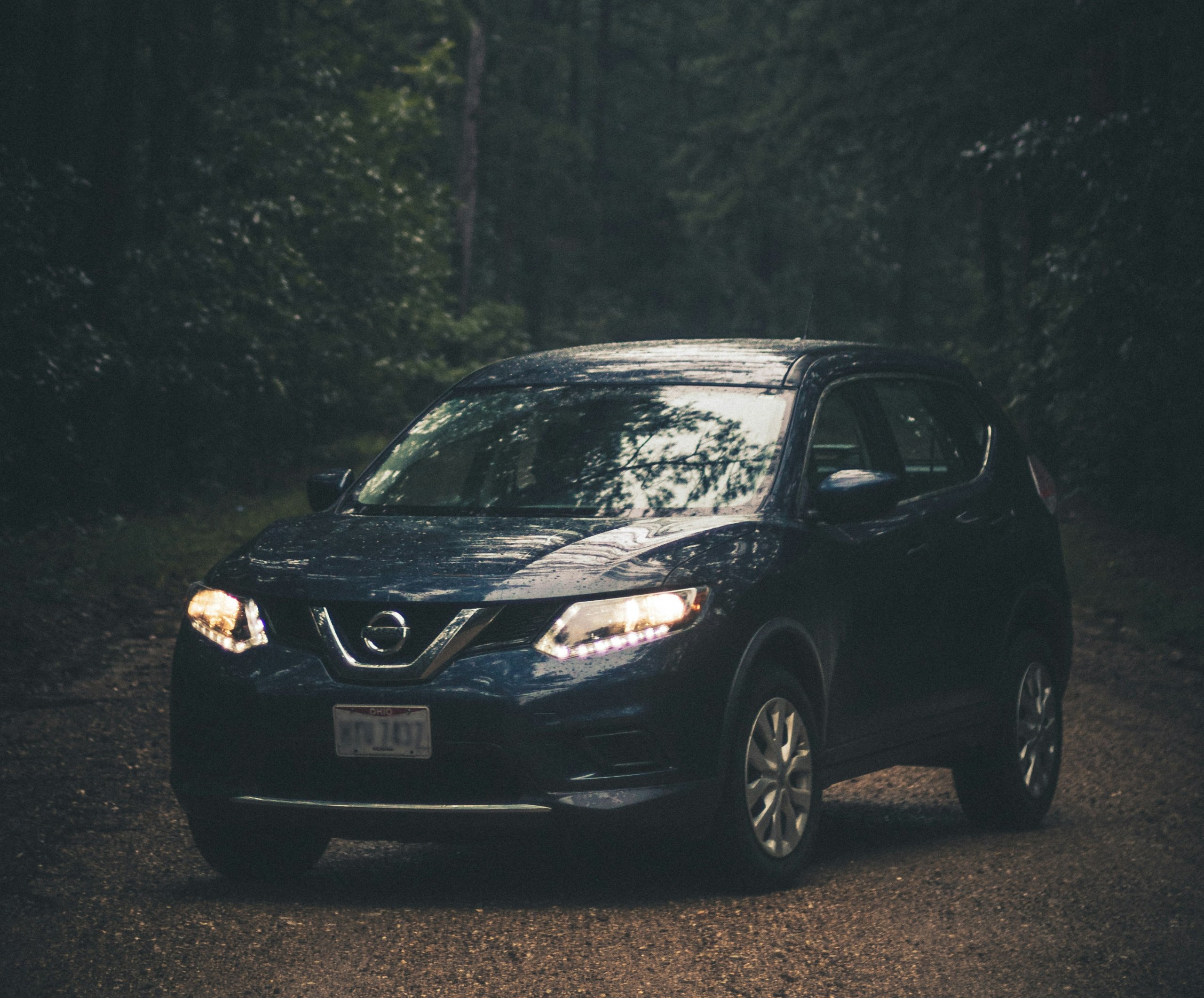
Read More
CATEGORIES »
TAGS »

05-03-26

Inside Nissan Leaf Battery Replacement for Long Island Drivers

Owning a Nissan Leaf on Long Island is a smart way to cut gas, cut emissions, and enjoy a quiet ride. At some point, though, every Leaf owner starts to think about the battery and what happens when it gets older. That is where understanding Nissan Leaf EV battery replacement really pays off.

In this guide, we will walk through how the Leaf battery works, what signs to watch for, how replacement is done, and how to make your battery last as long as possible in local conditions. Our goal is to help you feel calm, informed, and ready to plan for the long term, not stress about surprises.

What Long Island Drivers Should Know About Leaf Batteries

The Leaf’s main battery is a large high-voltage pack under the floor. It stores energy for the electric motor, much like a very advanced version of the battery in your phone. Over time, the battery slowly loses some capacity, which means your total range can shrink a bit.

How long it lasts depends on things like:

  • Daily driving distance and speed  
  • How often you fast charge  
  • Heat, cold, and humidity  
  • How high you charge and how low you run the battery  

Long Island driving can be tough on any EV. Stop-and-go traffic on the LIE or Sunrise Highway, long commutes from Brookhaven toward Huntington or Queens, and salty coastal air all add up over the years.

Many owners worry about:

  • Losing range faster than they expected  
  • Seeing fewer capacity bars on the dash  
  • Getting a battery health warning  

It is important to know that some range loss is normal aging, not a sign of failure. A real problem usually shows up as sudden, sharp changes in range or warning lights that will not go away. For most Leaf owners, battery replacement is a long-term maintenance choice that you plan for, not an emergency breakdown.

Signs Your Leaf May Be Ready for a New Battery

The first hint that your Leaf’s battery is aging usually shows up in your daily drive. Pay attention to how far you can go on a full charge on routes you know well.

Some signs to watch for include:

  • A big drop in miles per charge on your normal trip, like from Port Jefferson toward Queens  
  • Needing to charge more than once a day for the same commute you used to do on a single charge  
  • Range dropping faster as the weather warms and you use AC more often  

Your dashboard gives you clues too. The capacity bars show the battery’s overall health. Losing one bar over a long period can be normal aging, but losing several in a short time is worth checking.

Be alert for:

  • EV System Warning Light staying on  
  • Battery or charging system alerts that come back after restarting  
  • Messages about limited power or reduced performance  

You may also feel changes in real-world driving. For example:

  • Slower charging compared to what you are used to  
  • Noticeable power loss when merging onto the LIE or climbing a hill  
  • The car feels fine around town, but voltage drops fast at highway speeds  

If you are seeing more than one of these signs at the same time, your Leaf may be getting close to needing a deep check of the battery.

How Nissan Leaf EV Battery Replacement Works

When you bring your Leaf to a Nissan dealership for a battery concern, we do not jump straight to replacement. We start with a full diagnostic so we know exactly what is going on.

A typical visit usually includes:

  • Checking battery health data and capacity  
  • Running software scans for error codes  
  • Inspecting the charging system, connectors, and cooling paths  
  • Looking at driving and charging patterns that might affect battery life  

There is a big difference between normal capacity loss, a defective cell or module, and a problem with the charging system. A pack with normal aging might just need monitoring. A faulty cell might be repairable under warranty. A charging issue might not be a battery problem at all. This is why it is important to let trained Nissan technicians make that call.

If a full Nissan Leaf EV battery replacement is needed, the basic steps are:

  1. Safely powering down and securing the vehicle  
  2. Disconnecting the high-voltage system using proper safety tools and gear  
  3. Removing the old battery pack from under the vehicle  
  4. Installing the new genuine Nissan battery pack  
  5. Reconnecting, updating, and testing all related systems  
  6. Road testing to confirm proper performance and range behavior  

High-voltage work is not something to try on your own. It requires special training, tools, and safety procedures to protect both the technician and your Leaf.

Costs, Warranty Coverage, and Long Island Incentives

The cost of Nissan Leaf EV battery replacement depends on several factors. We cannot give exact numbers here, but we can explain what affects the price.

Key cost drivers usually include:

  • Leaf model year and trim  
  • Battery size and type  
  • Whether the work uses brand-new genuine Nissan parts  
  • Labor time and any related repairs or updates  

Nissan battery warranties typically cover both time and mileage, plus a certain level of capacity. If the battery health falls below that coverage standard within the warranty period, you may qualify for repair or replacement at a reduced cost or sometimes no cost, depending on the situation and warranty terms.

For Long Island drivers, it can also help to look at local energy benefits. A fresh, healthy battery can:

  • Make it easier to take advantage of off-peak electric rates from local utilities  
  • Help you charge less often, which can lower your total power use  
  • Give you more usable range when AC use is high in the summer  

This way, the long-term savings and ease of use can offset some of the cost over time.

Maximizing Leaf Battery Life in Long Island Weather

Good daily habits go a long way toward stretching your battery life. The goal is to avoid extra stress on the pack when you do not need it.

Helpful everyday tips include:

  • Avoid frequent fast charging all the way to 100 percent  
  • Try not to leave the car parked with a full charge in summer heat  
  • Use scheduled charging so the car finishes charging closer to your departure time  
  • Do not run the battery very low on purpose if you can avoid it  

Long Island weather brings hot, humid summers and chilly winters. In the warmer months, try to:

  • Park in shade when possible  
  • Use preconditioning while plugged in, so the cabin cools using grid power  
  • Set a moderate climate control temperature instead of max cold  

In colder months, range can drop, especially if you rely heavily on the heater. You can help by:

  • Using seat and steering wheel heaters if your Leaf has them, since they draw less power  
  • Allowing extra time for preheating while plugged in  
  • Driving smoothly so the car can recapture more energy during braking  

Regular service is another piece of the puzzle. Staying current with recommended maintenance and software updates helps the Leaf manage the battery as efficiently as possible. Periodic battery health checks can catch early signs of trouble and help you plan ahead instead of being surprised.

Drive Farther, Worry Less with Help From Nissan 112

A Leaf with a healthy battery, or a freshly replaced one, can easily handle Long Island life, from weekday commutes to weekend beach trips and city runs. When you understand how your battery ages, what the warning signs look like, and what replacement involves, that range number on the dash feels a lot less stressful.

At Nissan 112, we care about making electric ownership simple and predictable for local drivers. With factory-trained EV technicians, genuine Nissan batteries, and clear guidance on timing, warranty questions, and long-term planning, we are here to help you get the most from your Nissan Leaf for years to come.

Extend Your Nissan Leaf’s Life And Performance Today

If you are starting to notice reduced range or performance, our team at Nissan 112 is ready to help you explore your Nissan Leaf EV battery replacement options. We will walk you through what to expect, review costs, and help you decide on the best solution for your driving needs. To schedule a visit or ask questions, simply contact us and we will follow up promptly.

Read More
CATEGORIES »
TAGS »

05-03-26

Warning Signs Your Nissan Brakes Need Service on Long Island

Healthy brakes are one of the most important safety features on your Nissan, especially on Long Island. Stop-and-go traffic on Sunrise Highway, wet, sandy roads near the South Shore, and rough spots after winter all put extra stress on your braking system. When your brakes are not working their best, everyday driving can turn risky very quickly.

Small changes in how your brakes feel, sound, or respond are often early clues that something is wrong. Catching those warning signs early can help prevent bigger problems and can help keep you and your passengers safer. As a local Nissan dealership in Medford, NY, we know the driving conditions across Suffolk County and the rest of Long Island, and we want to help you recognize when your Nissan needs professional brake care.

Do Not Ignore These Nissan Brake Warning Signs

Your brakes are built to handle daily use, but they do wear over time. Long Island roads bring a mix of:

  • Stop-and-go traffic  
  • Wet and sandy shoulders near beaches  
  • Salt and moisture in colder months  
  • Potholes and rough patches after winter  

All of these can affect your brake pads, rotors, and other parts. The key is to pay attention to changes. If something seems different when you slow down or come to a stop, it is worth having your brakes checked.

Watch for:

  • New or louder noises when braking  
  • Changes in how hard or soft the pedal feels  
  • Vibrations or shaking when you slow down  
  • Warning lights on your dashboard  

Taking these signs seriously can help you avoid sudden brake problems in heavy traffic or during a quick stop.

Strange Sounds When You Stop

Brakes often talk to you through sound. Some noises are short-term, like a little squeak after driving through water or sand, but others signal that a part may be worn out or damaged.

Common brake noises include:

  • High pitched squealing, often a sign that your brake pads are worn and their built-in wear indicator is touching the rotor  
  • Grinding or scraping, which can mean the pad material is gone and metal is now pressing directly on the rotor  
  • Chirping or light rubbing that does not go away after a few stops  

On Long Island, sand, small stones, and salt can get into the brakes and cause a light noise for a short time. That may clear up on its own, especially after a bit of normal driving. But if you notice that:

  • The sound is there almost every time you brake  
  • It is getting louder over time  
  • It happens even when you brake gently  

then it is time to have a professional take a closer look. Ignoring grinding or scraping can let metal-on-metal contact damage your rotors, which can lead to more complex repairs later.

Changes in Brake Pedal Feel and Response

Your brake pedal should feel steady and predictable every time you use it. When that feeling changes, something in the braking system may not be working the way it should.

Watch for these pedal red flags:

  • Soft or spongy pedal that sinks toward the floor, which can point to low brake fluid, air in the lines, or a problem with a main brake component  
  • Hard or stiff pedal that takes more effort than normal, which may be tied to a brake booster issue or another part of the hydraulic system  
  • Pedal that seems to pulse or feels uneven when you press it  

Another serious sign is delayed stopping response. If you feel like you have to press the pedal farther than usual, or your Nissan takes longer to slow down, that can be especially risky:

  • In fast traffic on the Long Island Expressway  
  • During heavy beach traffic in warm weather  
  • At crowded intersections or busy shopping areas  

Any change in how quickly your vehicle slows down deserves attention. Brake problems tend to get worse over time, not better, so catching them early can help keep your Nissan ready to stop when you need it to.

Vibrations, Pulling, and Dashboard Alerts

How your Nissan behaves when you stop can also tell you a lot about your brakes. Shaking, pulling, or warning lights should never be brushed off.

You may feel vibrations in:

  • The brake pedal when you press down  
  • The steering wheel as the car slows  
  • The whole vehicle during harder stops  

These can be signs of:

  • Warped brake rotors from heat, frequent hard braking, or hitting potholes that show up after Long Island winters  
  • Uneven brake pad wear, sometimes caused by a caliper that is sticking and not releasing properly  

If your car pulls to one side when you brake, that may mean:

  • One side is braking harder than the other  
  • Pads are contaminated with fluid or road debris  
  • A caliper may be seized or not moving as it should  

Modern Nissans also use the braking system to help with stability and traction. Pay close attention to dashboard alerts such as:

  • Brake system warning light  
  • ABS light  
  • Traction control or stability control warning  

Even if your Nissan still seems to stop, these lights can mean that parts of your braking system or related sensors need attention. A professional scan and inspection can help find the source of the problem before it grows into something more serious.

Seasonal Brake Stress on Long Island Roads

Long Island seasons put different types of stress on your brakes. Spring and early summer are a smart time to think about brake condition, especially as you shake off the colder months and start driving more.

After winter, your brakes may face:

  • Corrosion on rotors, lines, and calipers from road salt, sand, and moisture  
  • Extra wear from driving on rough, damaged roads with potholes and uneven patches  
  • Hidden damage from hard hits to wheels and suspension that can affect how brakes feel  

As the weather warms up, traffic picks up too. Trips to the beach, parks, and local events mean more stop-and-go driving, more sudden slowdowns, and more time sitting in traffic with your foot on the brake. All of that can speed up pad wear and heat up rotors.

Having a seasonal brake check can help you:

  • Spot worn pads or rotors before a busy travel season  
  • Catch small fluid leaks or early corrosion  
  • Make sure your Nissan is ready for longer drives and crowded roads  

A quick inspection can give you peace of mind as you head into heavier driving months.

Stay Ahead of Brake Problems with Nissan 112

Staying alert to brake warning signs is one of the best ways to help keep your Nissan safe and ready for Long Island roads. If you notice new noises, changes in pedal feel, shaking, pulling, or warning lights, those are your Nissan’s way of asking for attention. Acting early can help prevent more serious issues and can make daily commuting or family trips feel much safer.

At Nissan 112 in Medford, we work with Nissan models every day and understand how local roads affect brakes, from Sunrise Highway traffic to side streets near the shore. Our team uses genuine Nissan brake parts and equipment designed for your vehicle, so your braking system is cared for the way the manufacturer intended.

Keep Your Brakes Ready For Every Drive

If you have noticed squeaking, reduced stopping power, or just know it is time for routine care, schedule your Nissan brake service with Nissan 112 today. Our certified technicians use the right parts and diagnostics to help keep your vehicle safe and responsive on the road. Call our team or use our contact us page to set up an appointment that fits your schedule. We are ready to get your Nissan braking smoothly and confidently again.

Read More
CATEGORIES »
TAGS »

04-29-26

Nissan Rogue Dark Armor vs Platinum: Trim Comparison [2026]

The 2026 Nissan Rogue Dark Armor and Platinum trims deliver two very different expressions of the same SUV. Dark Armor focuses on bold, blacked-out styling with a sport-inspired edge, while Platinum emphasizes premium comfort, advanced technology, and a more refined driving experience.
Read More
CATEGORIES »
TAGS »

04-26-26

Long Island Nissan Lease-End Wear and Tear: Normal vs. Chargeable Damage

Long Island drivers put a lot of miles on their cars, between commuting, family errands, and weekend beach runs. If you lease a Nissan, the lease-end inspection is what decides whether you hand back your keys and walk away clean or get hit with surprise charges for damage. Understanding what counts as normal wear and tear and what counts as chargeable damage can make a big difference to your wallet.  

Salt, sand, potholes, and crowded parking lots around Long Island can age a vehicle faster than you expect. Not every scratch or stain is a problem, though. We will break down where most lease companies, including Nissan’s lender, usually draw the line, and how planning ahead can help you step into your next Nissan car leasing deals with confidence instead of stress.  

Avoid Lease-End Surprises on Your Nissan

The lease-end inspection is not just paperwork. It is a careful look at how your vehicle has been treated over the term of your lease. Inspectors check the body, wheels, glass, interior, and basic functions to see if the car’s condition matches what is expected for its age and mileage.  

On Long Island, heavy year-round driving, salty winter roads, and tight parking can leave marks. Some of those marks are normal, some are not. When drivers assume everything is “no big deal,” they can be caught off guard when the final statement arrives.  

Normal wear and tear is the everyday aging that comes from regular use. Chargeable damage is anything beyond that, like neglect, abuse, or unrepaired accidents. Knowing the difference early gives you time to address problems in a calm and smart way. Nissan 112 works with lessees to review lease terms, understand the inspection report, and move into new options without last-minute stress.  

What Nissan Considers Normal Wear and Tear

Normal wear and tear means the kind of light aging a car gets from being driven and parked in everyday life. Leases are written with the idea that you will use the car for commuting, errands, and trips during all seasons, not keep it in a garage.  

Here are examples that are often considered normal wear, as long as they are minor and within your lender’s limits:  

  • Small surface scratches in the paint that can be buffed out, not deep gouges  
  • A few tiny door dings from parking lots that do not break the paint  
  • Light wear on fabric seats and carpet, with faint stains that can be cleaned  
  • Tires showing normal use but still above the required tread depth  

Normal wear also includes gentle fading of interior surfaces, slight scuffing on plastic panels, and small stone chips that have not cracked the windshield. The key is that the car still looks well cared for and all features work properly.  

Each lender has its own written standards. Nissan Financial shares guidelines on what is acceptable and what is not. If you are unsure, the team at Nissan 112 can review these guidelines with you so you know what to expect before any inspector arrives.  

Damage That Can Trigger Lease-End Charges

Excess wear or damage is anything that hurts the car’s appearance, safety, or function beyond normal use. This is the type of issue that can lead to lease-end charges if it is not fixed ahead of time.  

Common examples include:  

  • Deep scratches that cut into the primer or metal  
  • Large dents or creased panels, especially on doors, fenders, and bumpers  
  • Cracked or broken headlights, taillights, or mirrors  
  • Cracked windshields, long cracks from a chip, or multiple chips in the driver’s view  
  • Aftermarket body changes or mismatched paint that do not match factory quality  

Inside the car, inspectors watch for:  

  • Torn upholstery or holes in seats  
  • Cigarette burns or heavy smoke odor  
  • Strong pet odors, claw marks, or chewed trim  
  • Deep stains that do not come out with normal cleaning  
  • Missing key fobs or missing original equipment  

Mechanical and safety issues can also lead to charges, such as:  

  • Warning lights glowing on the dash  
  • Skipped scheduled maintenance that leads to problems  
  • Bald, damaged, or mismatched tires  
  • Broken power windows, cameras, or other features that came with the car  

If your car was in a collision, hit by a storm, or damaged by vandalism, it is smart to document everything and work with your insurance. Handling repairs correctly at the time of the incident can limit what shows up as excess damage at lease-end.  

Long Island Weather, Parking, and Seasonal Wear

Driving on Long Island brings some special challenges. Winter brings potholes, ice, and road salt. Spring and fall can mean constant rain and standing water. Summer can be hot and bright, especially if you park outdoors or spend time near the beach.  

Local conditions that can speed up wear include:  

  • Potholes that bend wheels or throw off alignment  
  • Road salt and sand that cause rust on the underbody and wheels  
  • Beach sand tracked into the cabin that grinds into fabric and carpet  
  • Sun exposure that fades paint and dries out dashboards and seats  

Seasonal habits can help keep your Nissan closer to normal wear standards:  

  • In spring, check wheels and suspension after winter, and repair windshield chips before they turn into cracks  
  • In summer, use sunshades and keep the interior clean of sand and salt to avoid stains and fading  
  • In fall, take care of small paint chips or scratches before snow, ice, and salt make them worse  

Regular washing, including the undercarriage, along with periodic waxing, helps protect the finish from salt and sun. Following factory service intervals at a trusted service center, like the one at Nissan 112, keeps the mechanical side of your car in good shape for inspection time.  

How to Prep Your Nissan Before the Lease Inspection

The smartest move is to start preparing a few months before your lease ends. That gives you time to look over the car, ask questions, and choose whether to repair certain issues on your own schedule. Many lenders offer a pre-inspection that can be done before the official one.  

A simple DIY checklist can help you spot the big stuff:  

  • Walk around the car in daylight, looking from different angles for dents, scrapes, and bumper damage  
  • Check all lights and lenses for cracks or broken pieces  
  • Look closely at the wheels for curb rash or missing chunks  
  • Inside, look for tears, deep stains, or damage to the dashboard, console, and door panels  
  • Take a moment to notice any strong odors that might need professional cleaning  

Then, check functional items:  

  • Test windows, locks, mirrors, and cameras  
  • Make sure all key fobs work  
  • Confirm the tires have even wear and enough tread  
  • Check that all original items are still in the car, such as floor mats, spare tire, jack, or charging cable for an electric vehicle, and the owner’s manual  

If you do find damage, it often makes sense to compare possible repair costs with what the lender might charge at turn-in. Having work done at a trusted local body and service center, such as the service department connected to your dealer, can sometimes save money and give you more control over the final result.  

Turn Charges Into Smart Next-Lease Choices

Lease-end does not have to be stressful. When you understand what counts as normal wear and tear versus chargeable damage, you can plan ahead, keep your Nissan in good shape, and be ready when inspection day comes.  

Talking with the team at Nissan 112 before your lease matures can help you review your inspection results, decide whether to keep your current Nissan, return it, or move into new Nissan car leasing deals that fit your daily Long Island drive. With clear information and a little early planning, lease-end can be a smooth step into whatever you want to drive next.

Turn Lease-End Worries Into Your Next Great Nissan

If you are nearing the end of your lease and unsure what your inspection might uncover, we are here to walk you through your options and help you avoid surprise fees. Explore our current Nissan car leasing deals to see how easily you can move into a new model that fits your budget and driving needs. Our team at Nissan 112 can review your vehicle’s condition, explain what counts as normal wear, and outline your return or upgrade choices. Have questions about your specific situation? Simply contact us and we will help you plan your next steps with confidence.

Read More
CATEGORIES »
TAGS »

04-26-26

Unlocking Nissan Military Program Savings on Long Island

Buying a car is a big decision, especially when you are balancing duty schedules, family needs, and possible moves. The Nissan military program is designed to make that decision a little easier by giving eligible service members extra savings on a new Nissan. When you combine that with smart planning and local support, it can help you stretch your budget without giving up the features you want.

In this guide, we will walk through how the Nissan military program works, who usually qualifies, what documents to bring, and how to get the most from available offers. We will also touch on how ongoing service and support can keep your vehicle ready for daily base runs, long drives across Long Island, and trips back home. Our goal is to help you feel prepared before you even step into a showroom.

Stretch Your Budget with Exclusive Military Savings

We proudly support the military community across Suffolk County and the rest of Long Island, including active-duty, reservists, retirees, and veterans. The Nissan military program gives eligible service members an extra savings offer when they buy or lease select new Nissan models. It is one more way to say thank you for your service in a way that truly helps your day-to-day life.

For many military families, summer can mean more driving and bigger changes. You might be planning road trips with the kids, getting ready for a PCS, or needing a more reliable ride for longer commutes. The Nissan military program can help turn that upgrade into something more affordable and less stressful.

In the sections that follow, you will learn:

  • What the Nissan military program is and how it works  
  • Who typically qualifies and what proof you may need  
  • How to combine it with other offers to boost savings  
  • How ongoing service and support can keep your Nissan running strong  

How the Nissan Military Program Works for You

The Nissan military program is a manufacturer-backed incentive that gives qualifying military members an additional savings offer on select new Nissan vehicles. This is on top of other national offers that may be available at the time you buy or lease. It is designed to be simple and flexible, so you can match it to your needs.

Summer is often a smart time to shop. Many drivers are:

  • Planning longer trips and wanting something more comfortable  
  • Preparing for PCS moves and needing extra cargo room  
  • Replacing an older vehicle before another tough Northeast winter  

Here is how the basic process usually works:

  • Verify your eligibility with accepted military documents  
  • Choose the Nissan model that fits your lifestyle and budget  
  • Apply the Nissan military program incentive along with current Nissan offers that you qualify for  
  • Work with the finance team to decide whether buying or leasing fits your plans best  

By having a clear idea of what you need before you arrive, you can move through the process faster and more confidently.

Who Qualifies for Nissan Military Discounts

Eligibility is set by Nissan, and the program is meant to cover a wide range of the military community. While exact rules can change and should always be confirmed with current Nissan guidelines, it often includes:

  • Active duty members of the U.S. armed forces  
  • Reserve and National Guard members  
  • Retired military personnel  
  • Veterans within a certain discharge timeframe  

In some cases, certain family members may also qualify, such as spouses or members of the same household. That can be especially helpful if one person in the home is the main driver or if you share vehicles.

To make your visit smoother, it helps to bring:

  • A valid military ID or appropriate proof of service  
  • Leave and Earnings Statement (LES) or discharge papers such as DD Form 214 when needed  
  • A valid driver’s license  
  • Any information requested for credit approval, such as proof of income or residence  

Having these items ready can shorten your time at the dealership and make it easier to confirm eligibility on the spot.

Maximizing Savings at Nissan 112 on Long Island

One of the biggest advantages of the Nissan military program is that it can often be combined with other offers. When you visit, the team can review:

  • Current national Nissan incentives  
  • Seasonal or model-specific promotions  
  • Dealer discounts that may be available  
  • Any trade-in value for your current vehicle  

The goal is to stack everything you qualify for so you get a complete savings package, not just a single discount. That can make a big difference over the life of your vehicle.

It also helps to match the vehicle to your day-to-day needs on Long Island:

  • Fuel-efficient sedans for base access, city drives, and long commutes  
  • Family-friendly SUVs with extra seating and cargo room for kids, pets, and gear  
  • Trucks and crossovers with capability for PCS moves, rough weather, or weekend projects  

We understand that military families often plan around BAH, deployments, and possible relocations. Clear pricing and a range of finance and lease options can help you choose something that fits both your current duty station and your future plans.

Service, Parts, and Long-Term Support for Military Families

Your connection with a dealership should not end the day you drive home. Keeping your Nissan in good shape is just as important as getting a fair deal upfront, especially if you rely on it for early morning formations, late-night duty shifts, and long drives to visit family.

Ongoing support usually includes:

  • Factory-trained technicians who know Nissan models inside and out  
  • Genuine Nissan parts that are designed for your vehicle  
  • Service offers that can help with common maintenance needs  

Convenience is a big deal for military households. Flexible service options can make it easier to:

  • Book appointments online when you have a spare moment  
  • Use early drop-off so you can head straight to work  
  • Arrange transportation options like shuttles when available  

Sticking to regular maintenance can help your Nissan stay reliable longer, which stretches the value of your original Nissan military program savings. When your vehicle is well cared for, you are less likely to face surprise problems at the worst possible time.

Claim Your Nissan Military Program Benefits Today

If you are part of the military community on Long Island, the Nissan military program can be a helpful tool when it is time for your next vehicle. A little preparation goes a long way. Bringing your key documents, having a short list of models you like, and knowing your budget can help the sales and finance team match you with the right options quickly.

At Nissan 112, we are honored to work with those who serve and the families who support them. Our goal is to make the process clear, respectful, and as simple as possible so you can focus on what matters most. With the right information and support, you can take full advantage of your Nissan military program benefits and feel confident every time you get behind the wheel.

Unlock Your Nissan Military Savings With Confidence Today

If you are ready to make the most of your service benefits, explore our Nissan military program to see current offers tailored to eligible military personnel and their families. At Nissan 112, we are here to answer your questions, review your eligibility, and help you choose the vehicle and plan that fit your life. Reach out to our team with any questions or to schedule a visit by using our contact us page.

Read More
CATEGORIES »
TAGS »

04-26-26

EV Battery Reality Check for Long Island Nissan Drivers

What Long Island Drivers Really Need to Know About EV Batteries

Many Long Island drivers love the quiet ride, smooth power, and low fuel costs of an electric Nissan. A daily drive from Port Jefferson to Hauppauge, or from Patchogue over to Hauppauge, can feel calm and simple in a Leaf. Then a thought pops up in traffic on the LIE: what happens to the battery years from now?

We hear this a lot, especially with questions about Nissan Leaf battery replacement and how long EV batteries actually last in our area. This is a fair concern, and it should not stop you from enjoying an EV. Here, we clear up common myths, explain what really affects battery life in our climate, and share simple habits that help your battery last longer. By the end, you will have a clearer picture of what to expect and how to plan ahead with confidence.

How Long Nissan EV Batteries Really Last on Long Island

An EV battery is not like the small 12-volt battery in a gas car. It is a large pack of lithium-ion cells, closer to what you find in a phone or laptop, but built to a much higher standard. Nissan EV batteries are designed to slowly lose capacity over time, not to fail all at once. They are built for many years of use under normal driving and charging habits.

Our Long Island climate plays a big role in how that aging feels day to day. We have:

  • Warm, humid summers, but not months of extreme desert heat  
  • Cold snaps in winter, but not constant deep freezing  
  • A lot of stop-and-go traffic on roads like Sunrise Highway and the LIE  

Heat is usually harder on lithium-ion batteries than cold. Since our area tends to be moderate compared to very hot regions, that can be easier on long-term battery health. Cold weather can lower range temporarily, but that effect usually improves once temperatures warm up again.

Most local driving patterns also help slow practical wear. Many drivers use only a portion of their range on a typical day. For example:

  • Commuting between nearby towns  
  • School drop-offs and after-school activities  
  • Grocery runs and errands close to home  
  • Occasional weekend trips to the North Fork or the Hamptons  

When you are not draining the battery to a very low level every day, the pack experiences less stress. That can support useful range for a longer period of time. Actual results will vary by driver, but the idea is simple: gentler use tends to mean slower aging.

Nissan Leaf Battery Replacement Myths and Real Expectations

There is a lot of noise online about Nissan Leaf battery replacement, and much of it comes from outdated stories or extreme cases. Here are a few common fears we hear from Long Island drivers and how we talk through them.

Myth 1: “I will need a new battery in three years.”  

Most EV batteries are built with long-term use in mind. Capacity does go down over time, but in normal driving, it tends to be gradual. Instead of a sudden failure, you are more likely to notice that your full charge does not go as far as it used to.

Myth 2: “The battery will just die one day and the car will stop.”  

Battery packs rarely go from fine to zero overnight. Range loss usually shows up slowly. You may see:

  • Fewer miles on the guess-o-meter after a full charge  
  • More frequent charging for the same routes  
  • A difference in winter versus summer range  

These are signs of aging, not total failure.

Myth 3: “Replacement always costs more than the car.”  

The cost of a Nissan Leaf battery replacement depends on several factors, such as:

  • The model year and specific Leaf version  
  • The size and type of battery pack  
  • Parts availability for that particular pack  
  • Labor and related components that may need attention  

Warranty coverage can also matter. Some warranty protections focus on defects, while others relate to capacity loss below a certain point. The details depend on the vehicle and its coverage, so it is important to review those carefully.

At a certain point, it can make sense to compare your options. Some owners decide a battery replacement suits their needs and keeps a car they like on the road. Others prefer to trade into a newer Leaf or another Nissan EV with updated range and features. Certified pre-owned choices can help lower up-front cost concerns, especially for drivers who want an EV but do not need maximum range.

Everyday Habits That Extend Your EV Battery Life

You do not need to change your life to take care of an EV battery. A few small habits on Long Island roads can add up over time.

On the road, it helps to:

  • Accelerate smoothly on Sunrise Highway and the LIE  
  • Use Eco mode in city and stop-and-go driving  
  • Coast when possible instead of heavy braking  
  • Avoid flooring the accelerator unless you really need it  

When it comes to charging at home, think about your daily routine. For many drivers, keeping the battery roughly between 20 percent and 80 percent for regular use can be gentle on the pack. This does not mean you can never charge to 100 percent. It just means you save those full charges for times you actually need the extra range, such as a full day at the beach or a weekend trip to Montauk.

Level 2 home charging can help keep things simple and steady. It is more convenient than relying only on public charging and can support consistent habits that are good for long-term battery health.

If you plan to leave the car parked for a few weeks, try to:

  • Leave the battery around the middle of the charge range  
  • Park in a shaded or covered spot if possible  
  • Avoid leaving it at 0 percent or 100 percent for a long period  

Long Island’s mild spring and fall seasons can be especially friendly to EVs, since temperatures are not too hot or too cold. Occasional DC fast charging on longer trips is usually fine. Just treat it as a tool for travel, not your everyday charging plan.

Seasonal Checkups and Battery Health for Long Island EV Owners

As the weather warms and beach plans start to form, it is a smart time to think about battery health. Spring and early summer are great moments to check that your EV is ready for heat, traffic, and family trips.

A battery health visit at a professional Nissan service center typically includes:

  • Diagnostic scans of the battery and charging system  
  • A look at available range compared to your needs  
  • Any needed software updates that can help efficiency  
  • Visual checks of cables, connectors, and cooling parts  

These visits are not just about fixing problems. They help spot small issues before they become big ones, and support warranty protection by keeping up with recommended maintenance. You also get a more realistic view of what your range looks like right now, so you can plan drives to places like Robert Moses, Smith Point, or the North Fork without guesswork.

When to Talk to Nissan 112 About Your EV Battery Plan

At some point, every EV owner asks, “Is my battery still working for my life?” That answer is personal, but there are a few signs it may be time to get advice from a dealer that works with Nissan EVs every day.

You may want a deeper look if:

  • Your usual routes suddenly take more charge than they used to  
  • The dashboard shows warning lights related to the battery or charging  
  • Charging at home or at public stations takes much longer than before  
  • You expect a change in your routine, like a longer commute or more road trips  

A thoughtful review can cover how your current battery is doing, what kind of range you can expect in different seasons, and how that fits your daily needs. It is also a good time to talk through Nissan Leaf battery replacement options and compare those with the idea of moving into a newer EV or a certified pre-owned model.

At Nissan 112 on Long Island, we care about helping drivers understand their EVs and make clear, low-pressure decisions. Our team can walk through your questions, look at your actual driving patterns, and help you build a long-term plan for your EV that fits your budget, commute, and family needs.

Extend Your Nissan Leaf’s Performance With Expert Battery Care

If you are considering a Nissan Leaf battery replacement, our team at Nissan 112 is ready to help you choose the right solution for your daily driving needs. We will walk you through your options, explain costs clearly, and schedule service at a time that works best for you. Reach out to our team today through our contact us page to get straightforward guidance and a personalized quote.

Read More
CATEGORIES »
TAGS »

04-26-26

Battery Warning Lights on Your Nissan: What They Really Mean

What Your Nissan Battery Light Is Really Telling You

When the battery warning light comes on in your Nissan, it is not just complaining about the 12V battery. That red battery icon is really an alert for the whole charging system, including the alternator, wiring, and belt that drives it. It is your car’s way of saying the electrical system is not keeping up and your vehicle may soon run only on stored battery power.

That is why this light should never be ignored, especially when you are planning longer drives or weekend road trips across Long Island. A charging problem can start small, then suddenly leave you with a dead car on the side of the road. Things feel even more stressful when the battery and brake lights on a Nissan come on together. That mix raises questions about safety, stopping power, and whether it is safe to keep driving. In this article, we will walk through what those lights really mean, what to watch for, and when it is time to get your Nissan checked by a professional.

Why Battery and Brake Lights May Come On Together

Seeing the battery light alone is worrying enough. Seeing the battery and brake lights on a Nissan at the same time can feel scary. The good news is that in many cases, both lights come on because of one root cause in the charging system.

Common reasons both lights can glow together include:

  • Failing alternator that is not charging the battery correctly  
  • Loose, slipping, or broken serpentine belt that drives the alternator  
  • Low system voltage that confuses brake system sensors  
  • Bad electrical connection feeding power to several systems  

When the alternator starts to fail, the voltage in the car drops. Modern Nissans use many sensors and computers, including in the brake system. If the power supply is weak or unstable, those control units may turn on warning lights to let you know something is wrong, even if the brakes themselves are still mechanically sound. It can look like several systems are failing at once, but the real problem is the weak charging system.

This combo of warning lights becomes an immediate safety concern if you notice any of these signs:

  • Headlights dimming or flickering, especially at low speeds  
  • Steering wheel suddenly feeling heavy or harder to turn  
  • Brake pedal feeling soft, spongy, or different from usual  
  • Burning rubber smell that might come from a slipping belt  

If you notice these symptoms, the car could lose power steering or power assist for the brakes. In that case, you should treat it as urgent and look for a safe place to pull over before the car loses more power.

Common Nissan Battery Warning Light Causes

Sometimes the battery light is the only one that appears. That does not mean it is a small issue, but it can help narrow down what is going on. Common causes when only the battery light is on include:

  • Aging or weak 12V battery that can no longer hold a charge  
  • Corroded, loose, or damaged battery terminals and cables  
  • Failing alternator or internal voltage regulator  
  • Damaged wiring, blown fusible links, or poor ground connections  

On Long Island, winters can be harsh on your car. Cold temperatures make the battery work harder every time you start the engine. Road salt and moisture can speed up corrosion on terminals and connections. Long months of using heated seats, rear defrosters, lights, and wipers can put extra strain on the alternator and charging system.

Newer Nissan models have more electronic features than older ones, like driver assist systems, screens, and advanced safety tech. These systems are more sensitive to low voltage. That means your dashboard is more likely to light up early if the battery or charging system starts to get weak, which is good, as long as the warnings are taken seriously.

What to Do When Warning Lights Come on While Driving

If the battery light, or the battery and brake lights on a Nissan, come on while you are driving, it helps to have a simple plan in mind. The goal is to stretch the remaining power and stay safe until you can get the car checked.

First steps if you notice these lights:

  • Turn off non‑essential electrical items such as the radio, heated seats, and extra lights  
  • Avoid hard acceleration and high speeds to reduce load on the engine and alternator  
  • Watch for changes in steering feel, brake pedal feel, and headlight brightness  
  • Keep an eye on the temperature gauge in case the belt that drives the water pump is also affected  

When is it usually safe to keep driving carefully to a nearby service center? If the car still feels normal to steer and stop, the headlights are bright, and there are no strange smells or noises, you may have some time. In that case, it is often better to head for a trusted service location instead of shutting the car off in a random parking spot where it may not restart.

You should pull over as soon as possible and call for roadside assistance or a tow if:

  • Steering suddenly becomes very heavy  
  • The brake pedal feels soft, sinks too low, or feels very different  
  • Lights are rapidly dimming, gauges are going wild, or the engine is misfiring  
  • You hear squealing or smell burning rubber from the front of the engine  

On Long Island, some roads have narrow shoulders or no safe place to stop. Try to avoid stopping on busy parkways or near tight curves. Look for a wide shoulder, a rest area, or a well‑lit side street. If your headlights are dimming and it is dark or getting dark, it is usually not a good idea to try to push the car all the way home, since other drivers may have trouble seeing you.

Seasonal Battery Care Tips for Long Island Nissan Drivers

A little care before warm weather trips can prevent a lot of warning light drama. Spring and early summer are great times to check that your charging system is ready for longer drives, heavier AC use, and hotter days.

Helpful maintenance steps include:

  • Professional battery load test to see how well it holds a charge  
  • Charging system test to check alternator output and voltage levels  
  • Inspection of the serpentine belt for cracks, glazing, or looseness  
  • Visual check of wiring and connections for signs of damage or corrosion  

There are also a few simple things Nissan owners can look for at home:

  • White or green crust on battery terminals, which can affect connections  
  • Battery that moves or shifts if you push it, which means it may not be secured  
  • Slow cranking when you start the car, especially after it sits overnight  
  • Interior lights that flicker or dim when you use other electrical features  

Professional service can go beyond what you can see under the hood. Trained technicians with the right tools can run computerized checks to spot weak batteries, low alternator output, and early brake system sensors issues before they trigger multiple warning lights on your dash.

Stay Ahead of Dashboard Warnings with Nissan 112

If you have recently seen the battery light, the brake light, or both come on in your Nissan, even if they turned off again, it is still smart to have the car checked. Intermittent lights can be a hint that something is starting to fail and may get worse when you are far from home.

Drivers getting ready for spring and early summer trips around Suffolk County can benefit from a simple pre‑trip safety review that includes the battery, charging system, and brakes. A little time spent now can help you avoid sudden breakdowns, stressful roadside stops, and possible towing later on.

Resolve Your Dashboard Warning Lights With Confidence

If your dashboard suddenly shows both the battery and brake warnings, our Nissan 112 team is ready to help you pinpoint the issue before it becomes a bigger problem. Learn what it means when you see battery and brake lights on a Nissan and let our factory-trained technicians inspect your vehicle. We will walk you through your options, explain any recommended repairs, and keep you informed at every step. If you prefer to speak with a team member directly or schedule a visit, simply contact us.
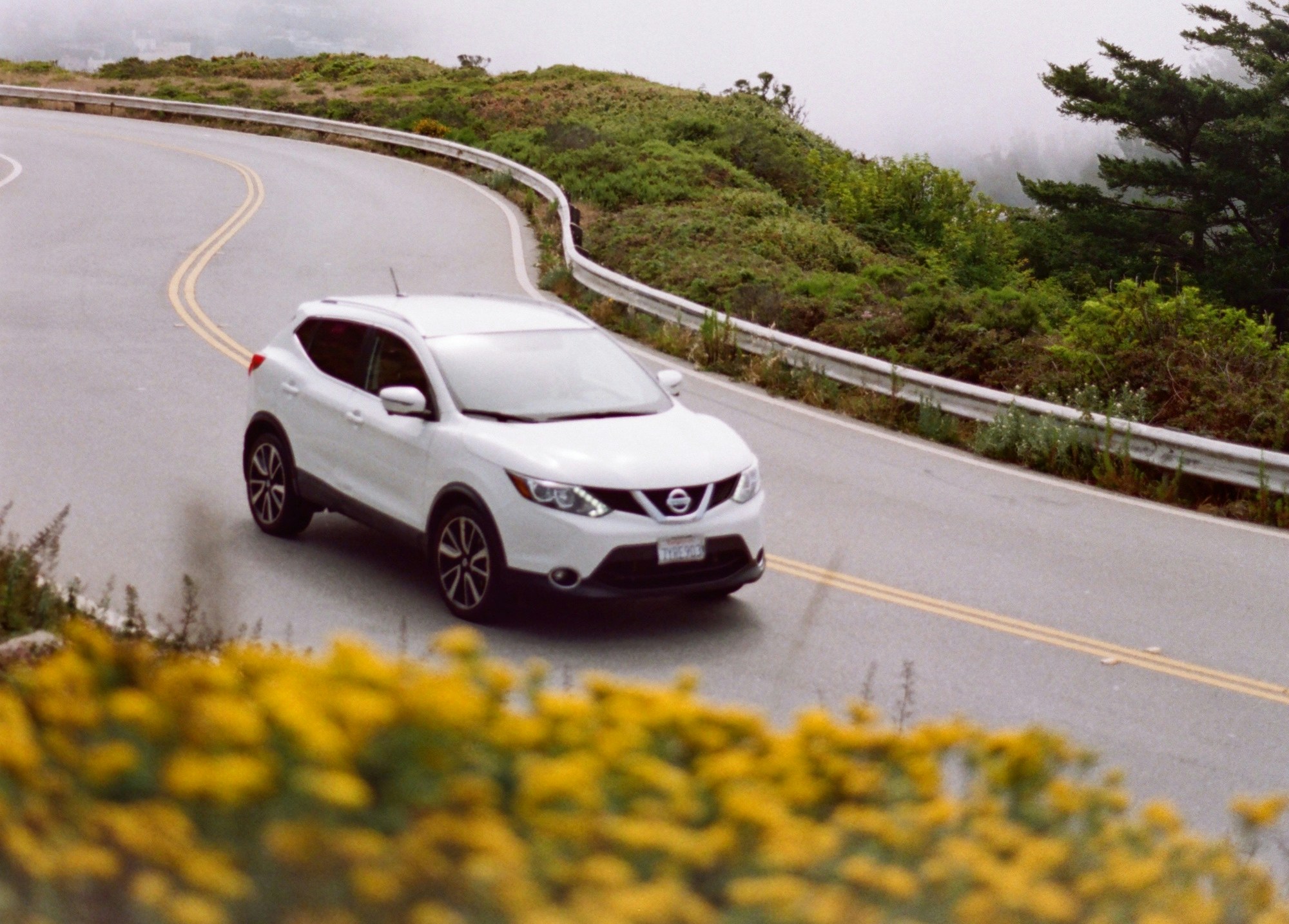
Read More
CATEGORIES »
TAGS »

04-19-26

When a Nissan Leaf Battery Replacement Makes Financial Sense

Make the Most of Your Nissan Leaf Investment

Nissan Leaf owners keep their cars for a long time, and that is especially true for drivers on Long Island who depend on quiet, low-cost electric driving every day. After years of commuting, winter cold, and beach trips in the warmer months, many owners hit a point where the battery does not feel as strong as it used to. That is when the big question shows up: Is a Nissan Leaf EV battery replacement worth it, or is it smarter to move into a newer vehicle instead?

This choice affects more than just how far you can go on a charge. It touches your daily commute, your budget, your peace of mind, and what your Leaf is worth in the long run. In this guide, we will walk through the signs that your battery is near its tipping point, how to compare replacement to trade-in value, and when a new battery can save money compared with upgrading. Local driving needs, charging options, and support from a trusted service team on Long Island all play a part in finding the best path forward for you.

Signs Your Nissan Leaf Battery Is Near the Tipping Point

Nissan Leaf batteries are built to last for many years of normal driving, but like any battery, capacity slowly goes down over time. On the dash, capacity bars show how much of the original battery strength is left. When those bars drop and your usual driving range shrinks, it is a sign that the battery is aging.

Some common warning signs include:  

  • You need to plug in more often than you used to, even with the same routes  
  • A normal work or school commute that once felt easy on one charge now feels tight  
  • Shorter winter range than in past years, even when you drive gently  
  • Planning trips around chargers instead of your schedule

These changes can sneak up on you. One or two extra charging stops might not feel like a big deal. Over time, though, the extra planning, stress, and lost time can become a real burden. That is where a professional battery health check becomes helpful.

At a trusted service center with Nissan-trained technicians, we can:  

  • Run a detailed diagnostic on your battery health  
  • Check how much capacity remains and how it is performing  
  • Look for signs of abnormal wear or issues with charging systems  
  • Help you tell the difference between normal aging and a battery that is turning into a financial headache

With that information, it is easier to see if you still have plenty of life left or if you are getting close to a crossroads.

Comparing Replacement Costs to Your Leaf’s Current Value

Once you know the state of your battery, the next step is to compare replacement to what your current Leaf is worth. A full Nissan Leaf EV battery replacement includes more than just the battery pack itself. You also need to think about labor and any related shop work that might be required for the job.

Instead of focusing on numbers, focus on the comparison process:  

  • Get an estimate for the battery, labor, and shop work from a Nissan service team  
  • Ask for your Leaf’s current trade-in value  
  • Ask how the value might change if the car had a healthy replacement battery installed  
  • Consider how buyers might view your car if you choose to sell it later

Another key part is the “years of life left” question. If a replacement battery can give you many more years and many miles of reliable driving, you can spread that cost over a longer period. That makes the choice feel more like an investment than a one-time repair.

Think through:  

  • How many years you plan to keep the Leaf after replacement  
  • How many miles you usually drive in a year  
  • Whether the renewed range would fully cover your daily and weekend needs  
  • How important all-electric driving is to your lifestyle

When you line those pieces up, it becomes clearer whether replacement fits your budget and long-term plans.

When a New Battery Can Actually Save You Money

There are plenty of situations where replacing the battery in a Leaf makes good financial sense. It often works best when the rest of the car is in good shape and fits your life well.

A new battery may be a smart move if:  

  • Your Leaf has low or moderate mileage for its age  
  • You keep up with maintenance and the car is otherwise running smoothly  
  • The body and interior are in good shape, with no major accident history  
  • You either own the car outright or have a low remaining balance on the loan  
  • You are happy with the features, size, and comfort of your current Leaf

In these cases, a fresh battery can:  

  • Put off the much higher cost of moving into a different vehicle  
  • Help you avoid extra taxes and fees tied to a new purchase  
  • Keep your monthly budget steady if you do not want a new payment  
  • Let you keep a car you already know and like, with much less range stress

For Long Island drivers, local conditions matter too. Gas prices can add up quickly for those who sit in traffic, drive between towns, or head to the shore on weekends. With a strong Leaf battery, you can enjoy lower fueling costs, easier parking at many destinations, and smooth, quiet driving for daily errands and summer trips without buying gasoline.

When It May Be Smarter to Upgrade Your Nissan Instead

Of course, Nissan Leaf EV battery replacement is not always the best choice. Sometimes upgrading to a newer Leaf or another Nissan EV can be the more practical move.

Replacement might not make sense if:  

  • Your Leaf is older with high mileage  
  • You are already facing other repairs, such as suspension, brakes, or interior wear  
  • You feel limited by older tech like a smaller screen, fewer driver aids, or slower charging  
  • You want more range than even a replacement battery on your current model can offer

In that case, it helps to compare the total cost of ownership over the next few years. Think about:  

  • The cost of a battery replacement, plus any other needed repairs  
  • What your Leaf is worth today as a trade-in in its current condition  
  • What your payment, insurance, and operating costs might be with a newer Nissan EV  
  • Possible savings from better range, newer charging tech, and updated efficiency

New and certified pre-owned vehicles can also come with different financing choices and special offers, which may make upgrading feel more comfortable. When new models arrive or spring sales events appear, a newer EV can sometimes fit into your budget almost as easily as a repair, especially when you use your current Leaf as a trade-in.

Maximizing Long Island Life with Your Next EV Decision

Your Nissan Leaf EV battery replacement decision is more than just a service ticket. It is about how you want to live, drive, and spend money over the next several years. Think about your commute, your favorite weekend spots, your charging options at home or around town, and how relaxed you want to feel about range in bad weather or heavy traffic.

At Nissan 112, we help Long Island drivers weigh all these factors every day. Our sales and service teams can look at your battery health, your Leaf’s condition, and your future driving needs, then walk you through what makes sense: refreshing your current car, trading it in, or stepping into a newer EV. When you take time in the spring to look at your options, you can head into the busy travel season feeling ready, with a plan that fits your budget and keeps you enjoying electric driving for years to come.

Extend Your Nissan Leaf's Life With Expert Battery Solutions

If your Leaf is losing range or showing signs of battery wear, we can help you plan the right time and option for a Nissan Leaf EV battery replacement. At Nissan 112, our factory-trained technicians use genuine parts to protect your investment and keep your EV performing at its best. Reach out to our team with questions or to schedule a visit through our contact us page.

Read More
CATEGORIES »
TAGS »

04-19-26

Electric Nissan Ownership on Long Island: Parts and Service Essentials

Why Long Island Nissan EV Drivers Need a Smart Service Plan

Owning an electric Nissan on Long Island is a smart move. Quiet rides, low emissions, and no gas stops fit right in with daily drives across Suffolk County and beyond. But to keep that smooth, electric drive feeling great, you need a clear plan for service, parts, and long-term battery care.

More drivers are moving into models like the Nissan LEAF, using them for commutes on the Long Island Expressway, runs to the ferry, or trips to the beaches. Coastal weather, stop-and-go traffic, and busy summers can all affect how your EV feels and how far it goes on a charge. Planning ahead for maintenance, Nissan LEAF EV battery replacement, and parts support helps protect your range, your safety, and the value of your car.

A local EV-friendly team that understands Long Island roads can make a big difference. Spring and early summer are smart times to get your EV checked, before heavier beach traffic and hotter days arrive. A quick visit for service and inspection now can help you enjoy smoother, more relaxed driving later.

Understanding Your Nissan EV Battery and Warranty

Your Nissan EV runs on a high-voltage lithium-ion battery pack. Think of it as a large group of smaller battery cells, all managed by a computer system that controls charging, discharging, and temperature. Over time, especially with coastal air and lots of stop-and-go driving, the battery can slowly lose some capacity.

A few key things to keep in mind about your EV battery and coverage:

  • Your EV has a general vehicle warranty that covers many parts of the car  
  • The high-voltage battery usually has its own separate warranty terms  
  • Warranty details often include both years and mileage and may mention capacity levels  

The battery management system works to protect the pack from damage, but no battery stays brand new forever. Signs that you might be getting closer to needing battery service or a Nissan LEAF EV battery replacement include:

  • A clear drop in driving range compared with when the car was newer  
  • Finding that you need to charge more often, even on the same routes  
  • Warning messages or lights on the dash related to the EV system or battery  

Battery checks at a Nissan dealer help make sure any tests or reports are done the right way for your vehicle. That can be important if warranty support is needed, because clear records and proper diagnostic steps help show what is going on inside the pack.

Nissan LEAF EV Battery Replacement Options on Long Island

If your battery does need to be replaced, it is helpful to know what actually happens during the process. A typical Nissan LEAF EV battery replacement can include:

  • A detailed inspection and diagnostic test of the current pack  
  • Careful removal of the old high-voltage battery from the vehicle  
  • Installation of a new or Nissan-approved replacement pack  
  • Software checks, system resets, and safety testing before you drive off  

Replacement choices can depend on the model year, battery size, and how you use your car. Some drivers want the longest range possible for daily trips from Suffolk County into the city. Others mainly drive locally and plan to keep the car for many more years. A professional team can help you compare options like:

  • New OEM Nissan battery packs designed to match your model  
  • Approved remanufactured or replacement packs when available  
  • Different capacity options where offered for specific vehicles  

Cost is shaped by things like the size of the battery, the design of your specific EV, and the amount of labor needed. There may also be Nissan programs, offers, or payment options that help make a large repair feel more manageable. Working with a local service team that understands Long Island driving patterns and charging habits can help you pick a path that fits your real-life needs, not just numbers on paper.

Essential EV Maintenance for Long Island Roads and Weather

Even if your battery is in good shape, regular maintenance keeps your EV feeling strong and ready for whatever local roads throw at it. After winter, Long Island streets can be rough with potholes and leftover sand. Spring and summer bring heat, humidity, and heavier traffic to waterfronts, parks, and vineyards.

Smart seasonal checks for your EV include:

  • Tire inspection and rotation to deal with pothole wear and protect range  
  • Brake checks, since EVs use regenerative braking but still need safe pads and rotors  
  • Cabin air filter replacement to help with pollen and coastal air  
  • AC service so the system cools well without wasting energy  

Electric models also have a few EV-specific items that deserve attention, such as:

  • High-voltage system checks to spot any issues early  
  • Software and firmware updates for charging, range display, and safety features  
  • Coolant checks if your model uses liquid cooling for electric parts  
  • Inspections for moisture and corrosion, especially with salty ocean air  

Keeping tires at the right pressure for your usual driving mix, highway or local roads, makes a real difference in range and comfort. Dealing with warning lights, odd noises, or changes in how the car feels as soon as they show up helps prevent bigger issues. Regular, professional service supports your warranty coverage and keeps your EV ready for long summer lines on the way to the shore or into the city.

Choosing Genuine Nissan Parts and Accessories for Your EV

When it comes to parts for an electric Nissan, quality and fit really matter. Genuine Nissan parts are designed to work with your specific EV, including high-voltage systems and sensitive electronics. That can help keep safety systems working correctly and reduce the chance of strange issues from generic parts that are not a perfect match.

For Long Island life, the right accessories can make day-to-day driving easier and protect your car from the local climate. Popular picks for EV owners often include:

  • Home charging cable upgrades or extra charging cords  
  • Cargo organizers for beach chairs, sports gear, and grocery runs  
  • All-weather floor mats that stand up to sand, rain, and mud  
  • Splash guards and wheel protection for rougher or sandy roads  

Buying parts and accessories through a team that works with Nissan EVs every day means you get guidance on what fits your exact model, not just a guess. Professional installation by trained technicians also matters, especially for anything that connects to electrical systems or impacts safety.

The right mix of parts and accessories helps your EV stay cleaner, resist salt and moisture, and handle daily wear from kids, pets, and gear. That keeps your electric Nissan looking sharp and driving the way it was meant to, whether you are heading across Suffolk County or just out for a quick local errand.

Schedule Your EV Service with Confidence

A smart way to care for your Nissan EV is to plan a seasonal health check before peak driving months. A thorough visit can cover battery condition, software status, tires, brakes, and climate systems, so you know your car is ready for longer trips, hotter days, and heavier traffic.

With a trained team that understands Nissan electric models from basic maintenance to detailed diagnostics and full Nissan LEAF EV battery replacement, you can relax and enjoy the quiet, low-emission drive you chose an EV for in the first place. When you have a trusted local partner handling your parts and service needs, every trip across Long Island feels a little easier.

Maximize Your Nissan Leaf’s Performance And Longevity

If your Leaf is showing reduced range or charging issues, we can help you understand your options for Nissan Leaf EV battery replacement and long-term EV care. At Nissan 112, our factory-trained technicians use genuine Nissan parts and up-to-date diagnostics tailored to your vehicle. Reach out to our team with your questions or to schedule an appointment through our contact us page today.

Read More
CATEGORIES »
TAGS »

04-19-26

When a Nissan Lease Return Makes Sense on Long Island

Make Your Nissan Lease Return Work for You on Long Island

A lease return is more than handing over your keys and walking away. It is a moment to decide what you want your next few years of driving to look like, from your monthly payment to your fuel costs to the features you use every day.

As spring hits Long Island, people often start planning summer trips, thinking about tax refunds, and noticing new model year vehicles on the road. That is a natural time to look at your Nissan lease and ask: should I return it, buy it, extend it, or switch to something totally different? A smart lease return can help you upgrade, lower your payment, move into an EV, or simply pick a vehicle that fits your life better.

At Nissan 112, we meet a lot of drivers who are not sure what to do at lease end. Our job is to walk through the choices, explain the pros and cons, and help you decide whether a standard lease return, lease extension, buyout, or new lease lines up best with your budget and daily driving.

Key Signs It’s Time to Return Your Nissan Lease

Some drivers worry that returning a lease is a bad move, but in many cases it is actually the smartest choice. You are simply finishing the agreement as planned and stepping into something fresh.

It often makes sense to return your Nissan on schedule when:

  • Your mileage is close to the allowed limit, but not over  
  • The vehicle has only normal wear from everyday use  
  • You are open to new Nissan lease deals in Long Island  

A clean vehicle with average miles usually fits what the leasing company expects. That means fewer surprises and a smooth turn-in so you can focus on your next ride.

Life changes are another big sign that a return might be right for you. For example, you might:

  • Start a new job with a longer commute and need better fuel economy  
  • Welcome a new baby and need more space than your current car offers  
  • Have kids move out and be ready to downsize to something easier to park  

Technology can be a reason to move on too. Newer Nissan models often add:

  • Updated safety features and driver-assist systems  
  • Improved infotainment and smartphone connection  
  • Smoother rides and quieter cabins  

If you find yourself wishing your current Nissan had the latest safety tech or easier controls, returning the lease and moving into a newer model can feel like a real upgrade in your daily drive.

When Buying Out Your Lease May Beat Returning It

Returning your Nissan is not always the best choice. Sometimes buying it out can be the smarter move, especially on Long Island where used vehicles can hold strong value.

One key factor is equity. If your leased Nissan is worth more than the buyout amount on your contract, you may have a good deal on your hands. In that case, purchasing instead of returning can give you a vehicle you already know and like, often with a sense that you are getting solid value.

Buying out your lease can also make sense if:

  • You have driven fewer miles than expected  
  • You kept up with maintenance and the vehicle is in great shape  
  • You are comfortable with the payment and do not feel like changing things  

For drivers who like stability and predictability, owning can feel better than starting fresh. If you are not chasing new features every few years and you prefer to keep a vehicle long term, a buyout lets you keep what already works.

People who drive a lot, or who plan to rack up more miles in the future, often appreciate ownership as well. With no mileage cap, you do not have to watch the odometer as closely or worry about overage fees at the end.

Avoiding Extra Fees at Nissan Lease Turn-In

No one wants surprise fees on lease turn-in day. A little prep before you return your Nissan can help you avoid many of the common charges.

Wear-and-tear standards usually cover areas like:

  • Tires with enough tread and no major damage  
  • A windshield free of large cracks  
  • Interior free from rips, burns, or deep stains  
  • Body panels without large dents or scraped paint  

Small issues, like a minor scuff or a basic interior cleaning, can sometimes be handled ahead of time. Fixing simple problems before turn-in can be easier than paying for them later.

Mileage is another big part of lease returns. If you are getting close to your limit, it helps to:

  • Check your mileage a few months before lease end  
  • Adjust non-essential trips if you are at risk of going over  
  • Ask about a pre-inspection so you know where you stand  

If you are far beyond your mileage cap, buying out the lease instead of returning it might make more sense, since you would avoid per-mile overage charges.

Timing matters too. Returning your vehicle on schedule keeps things simple and avoids extending payments you did not plan for. Sometimes returning slightly early can work well if it lines up with strong Nissan lease deals in Long Island and you are ready to move into your next vehicle without any gap in transportation.

Choosing Your Next Step After Lease Return

Once you decide what to do with your current Nissan, the next question is: what comes after? A new lease, a financed purchase, or an EV or hybrid can all be good options, depending on your lifestyle.

A new lease can be a great fit if you like:

  • Lower upfront costs compared to many purchases  
  • Driving newer vehicles with updated technology  
  • Switching to a different model every few years  

On Long Island, many drivers like the freedom to move between a Rogue, Pathfinder, Altima, or another Nissan model as their needs shift.

Financing instead of leasing may be better if:

  • You drive many miles each year  
  • You plan to keep the vehicle for a long time  
  • You prefer not to think about mileage caps or turn-in inspections  

Once the vehicle is paid off, you can keep driving without monthly payments, which can feel very freeing.

More drivers are also thinking about electric and electrified options. Moving into an EV or hybrid, such as the Nissan ARIYA or LEAF, can work well with typical Long Island commutes. Spring can be an easy time to switch, with milder weather for learning how charging fits into your routine and the possibility of incentives that may apply. If you do a lot of local driving, an EV can be a comfortable, quiet way to handle daily errands and work trips.

Next Steps for a Smooth Lease Return at Nissan 112

Preparing for lease end does not have to be stressful. A simple checklist can keep things easy:

  • Schedule a pre-return inspection so you know what to expect  
  • Gather all keys, manuals, and service records you have  
  • Clean out personal items from the trunk, glove box, and seat pockets  
  • Give the vehicle a basic wash and interior tidy-up  

At Nissan 112 on Long Island, we help drivers review all their options in person. We can go over whether returning, buying out, extending, or moving into current Nissan lease deals in Long Island fits your driving habits and comfort level best, and we support full-service maintenance and repair, including EVs, so your next step feels planned instead of rushed.

Lock In a Nissan Lease That Fits Your Life and Budget

Explore our latest Nissan lease deals in Long Island and find a payment plan that fits your lifestyle, commute, and budget. At Nissan 112, we take the time to walk you through your options so you can feel confident in every detail of your lease. If you have questions about terms, pricing, or availability, reach out through our contact us page so we can help you get started.

Read More
CATEGORIES »
TAGS »

04-19-26

Smart Ways to Use the Nissan Military Program on Long Island

Stretch Your Service Benefits with the Nissan Military Program

The Nissan military program is a simple way for eligible service members and their families to save on a new Nissan. It is available to active-duty service members, reserves, retired military, and many veterans within a certain time frame of their discharge. In many cases, select spouses and immediate family members can also qualify when they are part of the same household.

With this program, you get bonus savings on top of other national Nissan offers on new models. For drivers on Long Island, that can be especially helpful before the busy summer driving season, when trips to the beach, visits with family, and longer commutes all start to add up. A little extra value can help you move into a safer, more comfortable vehicle that fits your life.
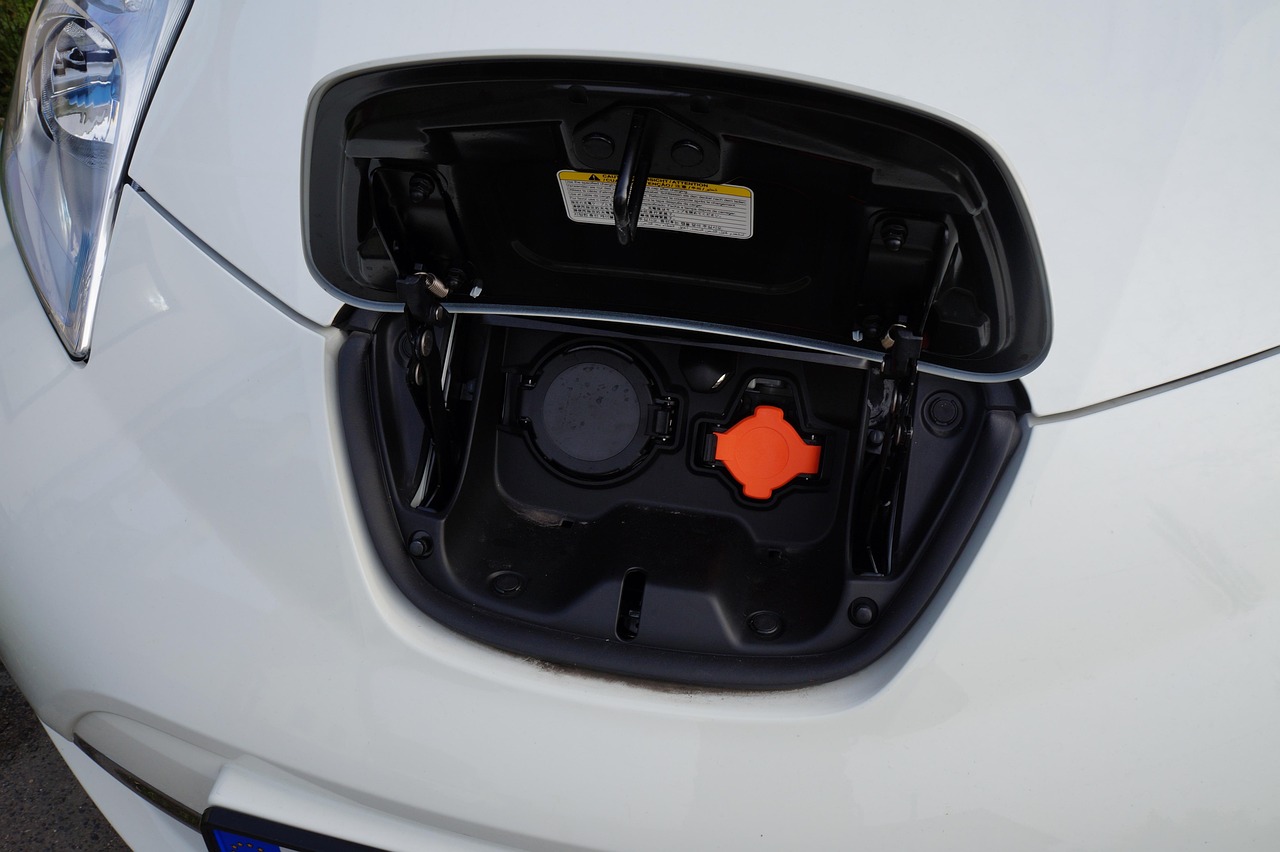
 

Here in Suffolk County, many service members are stationed nearby or have settled in the area with their families. Our team works with local military households every week, so we know the common questions and concerns that come with buying or leasing a vehicle around service life. In the next sections, we will walk through smart ways to use the Nissan military program, from choosing the right model to planning for long-term costs.

Know Your Nissan Military Program Benefits on Long Island

Before you start test driving, it helps to understand how the Nissan military program fits into the bigger picture of incentives and fees.

The core parts of the program usually include:

  • National Nissan bonus cash for eligible military customers  
  • Possible additional savings from the dealership  
  • The ability, in some cases, to combine the military program with other offers that are allowed by Nissan  

Long Island buyers also have to factor in state and local taxes, registration, and other required fees. These items affect your final out-the-door price, and they can vary by town and by county. Working with a local team that deals with New York paperwork every day can help you understand what to expect before you sign anything.

Timing can also work in your favor. Spring is a smart moment to explore military savings because:

  • Many people start planning summer road trips  
  • PCS moves and new assignments often bring fresh driving needs  
  • Holiday promotions around late spring may, when allowed, pair with your military benefit  

To use the Nissan military program, you will need to show that you qualify. Typical documents may include:

  • A current military ID or dependent ID  
  • A Leave and Earnings Statement (LES)  
  • Discharge papers such as a DD-214 for qualifying veterans  
  • Proof of address if needed for registration  

If you are not sure what to bring, the staff can walk you through what is usually accepted so you do not have to guess.

Pick the Right Nissan for Long Island Roads and Seasons

Long Island driving can be very different from base to base or town to town. Some drivers spend a lot of time on the Long Island Expressway in heavy traffic. Others take weekend drives out to the Hamptons, the North Fork, or down to the South Shore. Then there are winter days with snow, ice, and wet roads near the coast.

When you pair all of this with the Nissan military program, it makes sense to choose a model that really fits your lifestyle. A few common picks include:

  • Sentra or Altima for budget-friendly commuting and good fuel economy  
  • Rogue or Murano for family space, strollers, gear, and everyday cargo  
  • Frontier or Titan for towing, home projects, or off-base hobbies  

As you compare, think about what matters most to your household:

  • Fuel economy if you drive many miles each week  
  • All-wheel drive for extra confidence in bad weather  
  • Cargo space for kids, pets, or work equipment  
  • Advanced safety tech such as ProPILOT Assist and Safety Shield 360  

The extra value from the Nissan military program can help you move up a trim level or add a feature package you might otherwise skip. A hands-on test-drive on real Long Island roads can make a big difference, especially if you compare a couple of models back-to-back.

Maximize Savings with Smart Financing and Leasing

Once you find the right Nissan, the next step is deciding how to pay for it. Military households often have unique needs because of PCS moves, deployments, and changing commute lengths.

Leasing can work well if:

  • You like driving a newer vehicle every few years  
  • Your annual mileage fits normal lease limits, even with Long Island commuting  
  • You want a lower monthly payment compared to many purchase options  

Buying may be better if:

  • You plan to keep the vehicle long term  
  • You may move out of state and want simple ownership  
  • You drive higher miles each year than a lease allows  

The Nissan military program often works alongside other offers when allowed. That can include:

  • Low APR specials from Nissan  
  • Seasonal lease offers on popular models  
  • Dealership incentives that may be available at certain times of the month  

To keep your overall cost under control, it helps to:

  • Get pre-qualified online through the dealership’s finance center tools  
  • Use your current vehicle as a trade-in to reduce your down payment  
  • Choose a term length that balances monthly payment with total interest paid  

For younger service members, a carefully chosen auto loan can also help build credit. A clear, honest conversation with a finance specialist can help you avoid lenders or terms that are not in your best interest.

Use Your Military Benefits for Service, Parts, and Protection

While the main focus of the Nissan military program is on buying or leasing, some dealerships may extend military-friendly perks into parts and service as well. This can be especially helpful when you are getting your vehicle ready for heavier spring and summer driving.

Key spring service items often include:

  • Air conditioning checks before the weather gets hot  
  • Tire inspection or replacement after winter wear  
  • Brake checks for safety in stop-and-go traffic  
  • Fluid checks and oil changes  
  • Alignment checks after rough winter roads and potholes  

Service advisors can help you set up a maintenance schedule that works with long hours, changing shifts, and trips off Long Island. They understand that military life is not always predictable and can help plan visits that fit your calendar.

When you save money at the time of purchase with the Nissan military program, you might also choose to invest in added protection, such as:

  • Extended protection plans for long-term peace of mind  
  • Tire and wheel coverage for rough roads and debris  
  • Prepaid maintenance plans to spread out service costs  

These options can help keep your budget steady, even when life throws a few surprises your way.

Take the Next Step with Nissan 112’s Military Experts

If you think you might qualify for the Nissan military program, it helps to get a few basics ready before you visit a dealership. That usually means gathering your military ID or discharge paperwork, a recent LES if needed, and proof of your Long Island address for registration.

From there, you can:

  • Explore current new Nissan inventory and narrow down a few favorites  
  • Use online payment calculators to see how military savings might affect your budget  
  • Set up a time with a sales or finance specialist who understands military schedules  

At Nissan 112, we work hard to respect your time by offering flexible appointments and clear, simple paperwork. When you use the Nissan military program in a thoughtful way, it can make a safer, more reliable vehicle easier to fit into your life, just as the busy Long Island driving season starts to ramp up.

Unlock Exclusive Savings Through Our Military Appreciation Benefits

If you serve or have served, our team at Nissan 112 is ready to help you make the most of the Nissan military program and find a vehicle that fits your life and budget. We will walk you through eligibility, available offers, and the models that best match your needs, so you can shop with confidence. Reach out today through our contact us page to schedule a visit or ask any questions about your options.

Read More
CATEGORIES »
TAGS »

Blog | Read Latest Nissan Updates and Car Care Tips

Your Matches
Filters

Contact Us:

Name:
Email:
Message: